
Day 1: Arrival in London
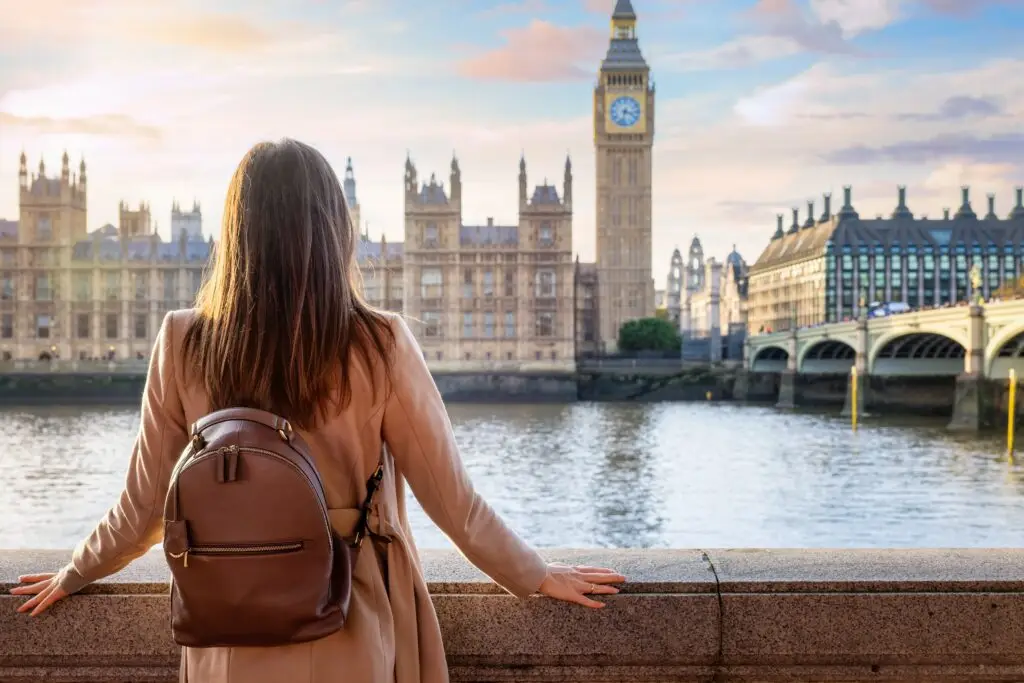
After landing in London, your private driver will meet you for a seamless transfer to your accommodation in the city.
Depending on your arrival time, you may wish to enjoy a gentle introduction to the city with a relaxed walk through your local neighborhood, perhaps along the Thames, through nearby parks, or into one of London’s vibrant districts for an early dinner.
Our tour planners will provide a list of recommendations suited to the neighborhood you have chosen to stay in.
Overnight: London
Day 2: White Cliffs of Dover, Castles & Canterbury’s Historic Heart
The next morning, you wake in London and join your private driver-guide for a full-day journey into the English countryside, where coastal landscapes and medieval history unfold side by side.
Dover Castle & the White Cliffs
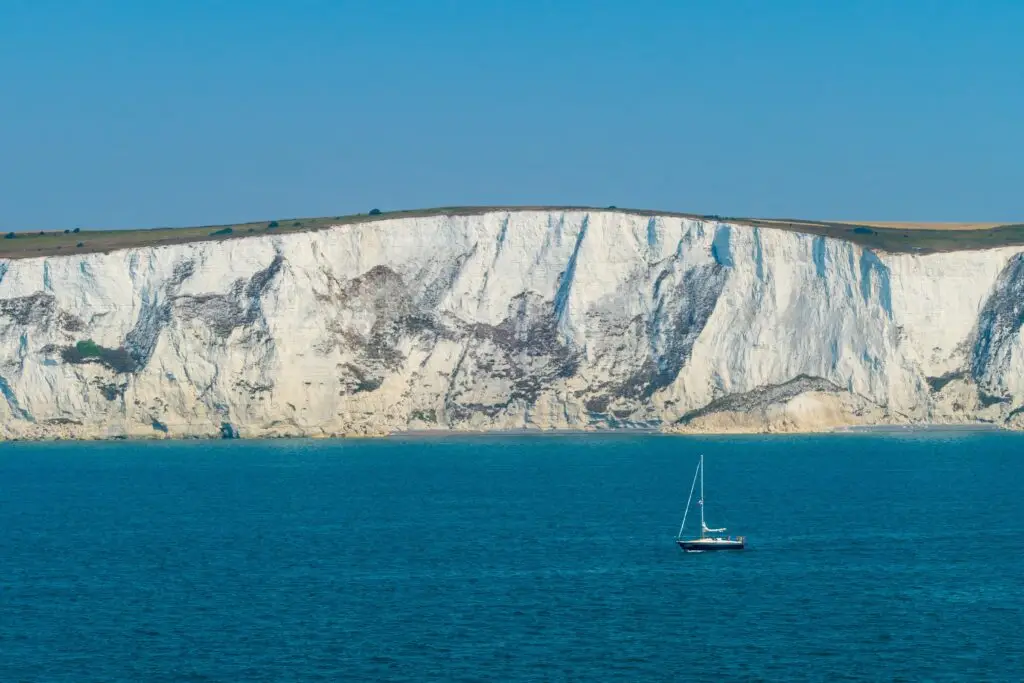
Start at the White Cliffs of Dover, where you can walk along the clifftop paths and take in views across the English Channel toward France.
This is one of the most recognizable natural landscapes in the UK and a key historical entry point to the country.
Continue to Dover Castle, with included tickets. Here, you’ll explore the main castle grounds, defensive walls, and historic interiors. Highlights include:
- The Great Tower and medieval royal rooms
- The underground wartime tunnels used during WWII
- Panoramic views over the coastline from the castle walls
This stop gives you both a scenic coastal experience and a clear understanding of how this site was used to defend England over centuries.
Canterbury & Canterbury Cathedral
When you arrive in Canterbury with your driver-guide, you’ll have time to walk through the old town, where you can explore cobbled streets, historic lanes, and timber-framed buildings.
The main highlight is Canterbury Cathedral (tickets included), where you will:
Enter the cathedral and explore its main nave and chapels, see the site associated with Thomas Becket, and learn about its role as one of the most important religious centers in England.
Return to London in the evening.
Day 3: Stonehenge & Journey into Bath
Depart London this morning and travel west into the English countryside.
Stonehenge: Britain’s Most Mysterious Landmark
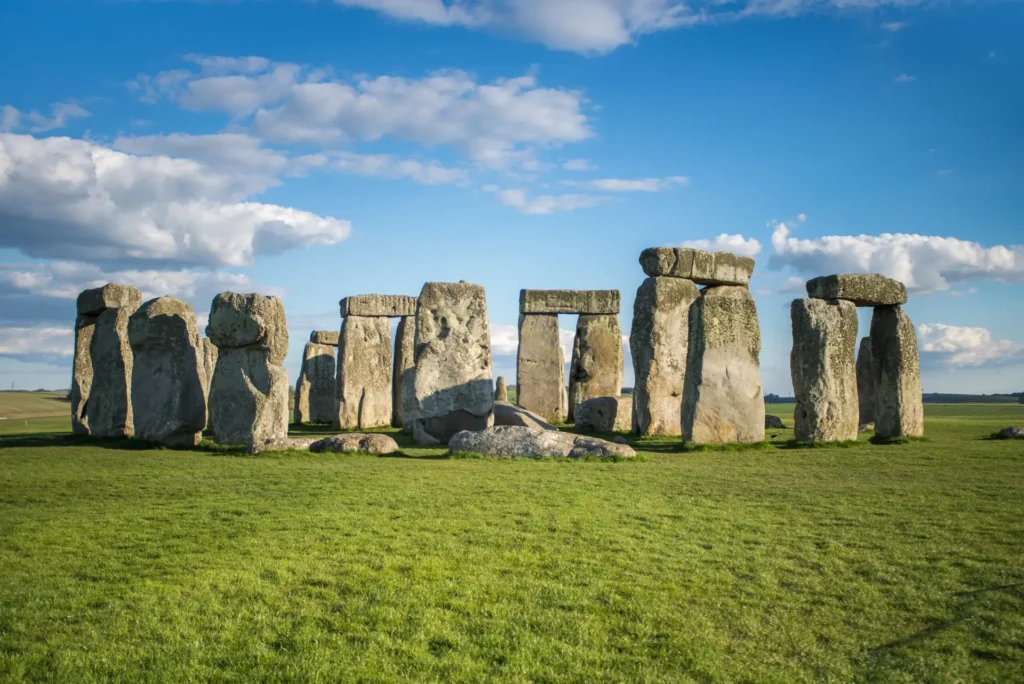
Your first stop is Stonehenge, one of the world’s most iconic prehistoric monuments. Standing among these ancient stones, you’ll gain insight into the theories, myths, and engineering feats behind this UNESCO-listed site.
With inner circle tickets included, take time to walk the perimeter and absorb the quiet, atmospheric setting of this remarkable place.
Arrival in Bath
Continue onward to the city of Bath, known for its Georgian architecture and Roman heritage. On arrival, settle into your hotel and enjoy a relaxed evening.
Overnight: Bath
Day 4: Bath’s Roman & Literary Heritage
Today is dedicated to exploring Bath, one of England’s most architecturally rich cities.
The Roman Baths & Bath Abbey
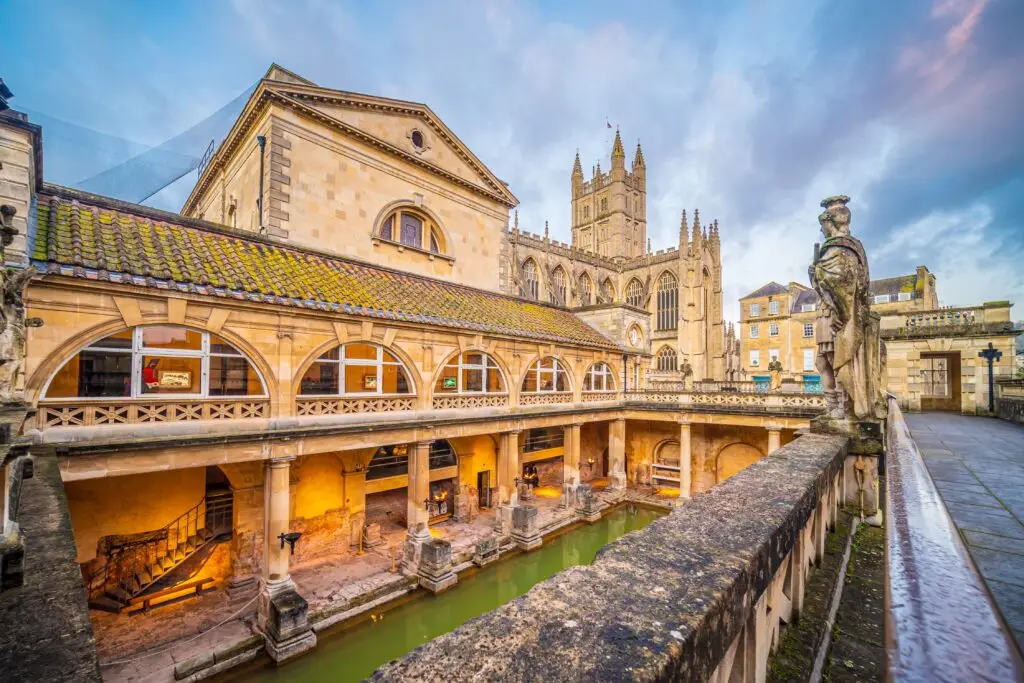
Begin at the Roman Baths, where natural thermal springs have drawn visitors for over 2,000 years. With your included tickets, explore the remarkably preserved bathing complex and learn about life in Roman Britain.
Nearby, Bath Abbey rises above the city center, its vaulted ceilings and stained glass adding to the sense of grandeur and history.
Jane Austen & Georgian Architecture
At the Jane Austen Center, the city’s literary connections come to life. Bath played a central role in Austen’s life and novels, and this visit offers a glimpse into the society and culture of the period.
The remainder of the day is yours to enjoy at a relaxed pace, perhaps strolling along the Royal Crescent, visiting independent shops, or enjoying a traditional afternoon tea.
Overnight: Bath
Day 5: The Cotswolds
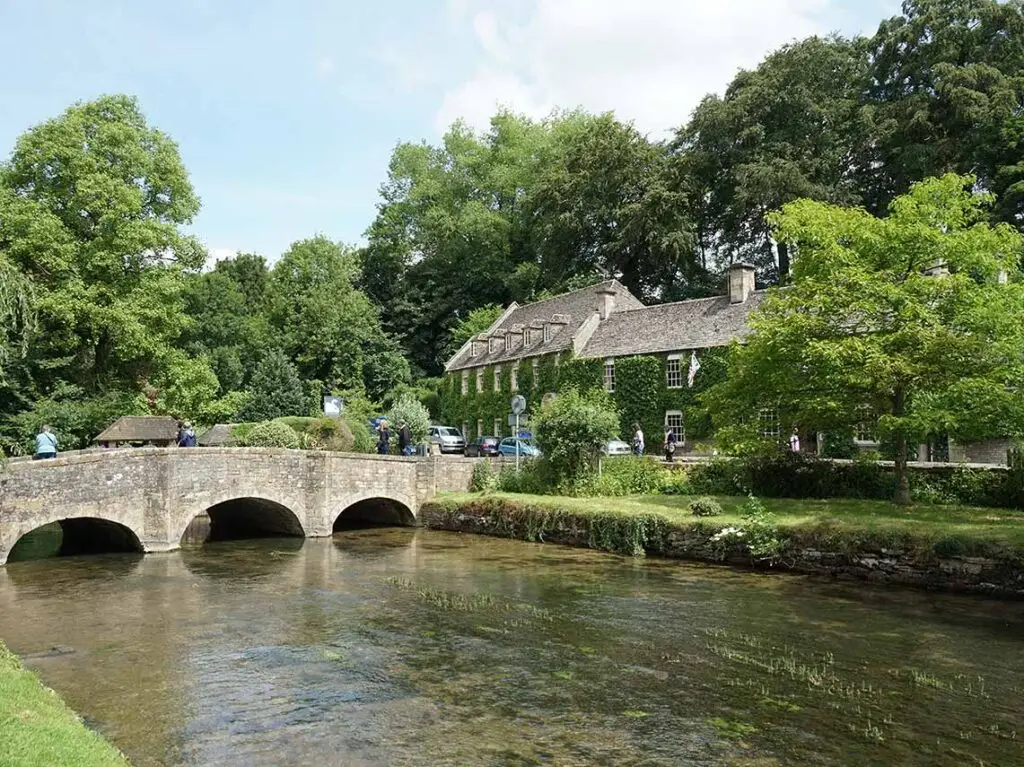
Rising in Bath on the morning of day 5, rejoin your driver-guide for a trip into the Cotswolds, one of England’s most picturesque regions.
Classic Cotswolds Villages
Visit Stow-on-the-Wold, a historic market town with a charming central square, before continuing to Bourton-on-the-Water, often referred to as the “Venice of the Cotswolds” for its low bridges and gentle river setting.
Explore the Model Village (tickets included), a detailed miniature version of Bourton itself, before continuing to the nearby villages of Upper and Lower Slaughter, known for their peaceful atmosphere and postcard-perfect scenery.
This is a day designed for wandering, pausing, and simply enjoying the landscape.
Return to Bath in the afternoon.
Day 6: Blenheim Palace & Oxford
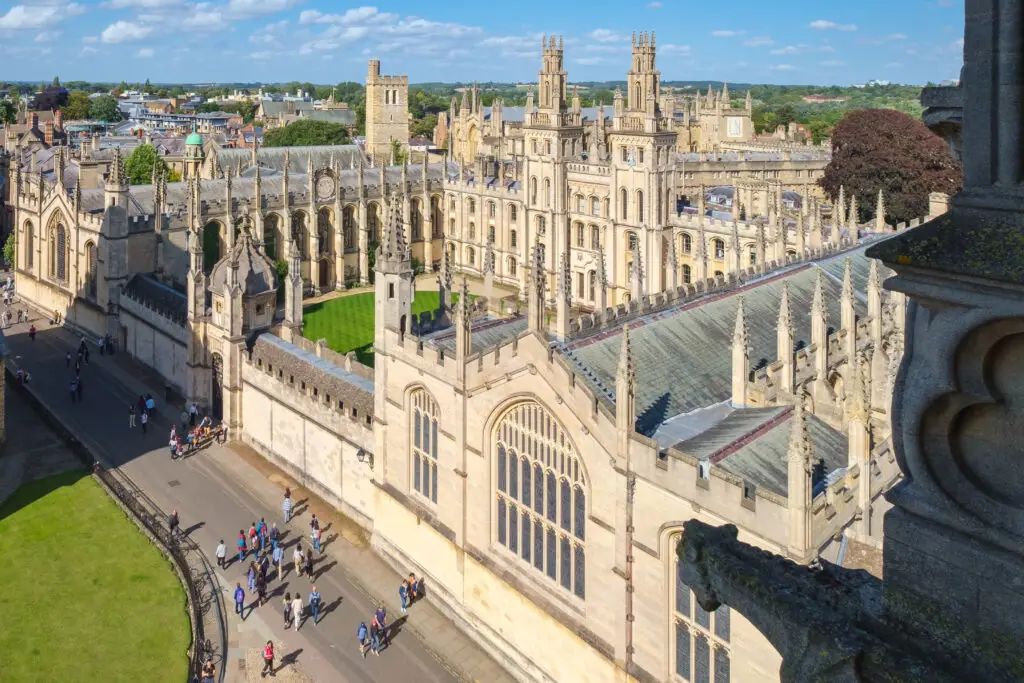
Today blends aristocratic heritage with one of the world’s most famous university cities as you return toward London.
Blenheim Palace
Our first destination today is Blenheim Palace, a UNESCO World Heritage Site and the birthplace of Winston Churchill. With your included tickets, explore its opulent state rooms, expansive gardens, and rich history.
Oxford: The City of Dreaming Spires
Continue to Oxford, where centuries of academic tradition shape the city’s character.
Join your guide for a walking tour through its historic streets, passing famous colleges, libraries, and courtyards. Your guide will bring the city to life through stories of scholars, writers, and the traditions that define Oxford.
After your visit, return to London and settle in for your final evening in England.
Overnight: London
Day 7: Eurostar Journey to Paris
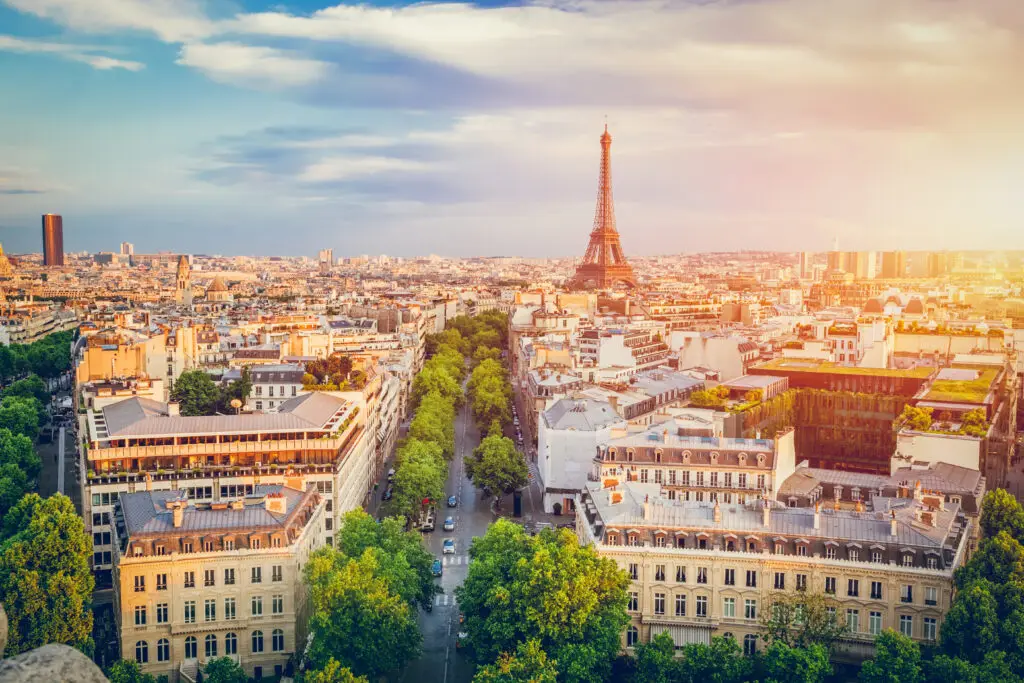
The next country on our epic European tour itinerary beckons as your driver delivers you to the Eurostar for your journey to France in just over 2 hours.
On arrival in Paris, transfer to your hotel and enjoy a relaxed first evening in the French capital.
Perhaps take a gentle walk along the Seine, enjoy a café terrace, or simply unwind after your journey.
Overnight: Paris
Day 8: Paris – Private City Highlights Tour
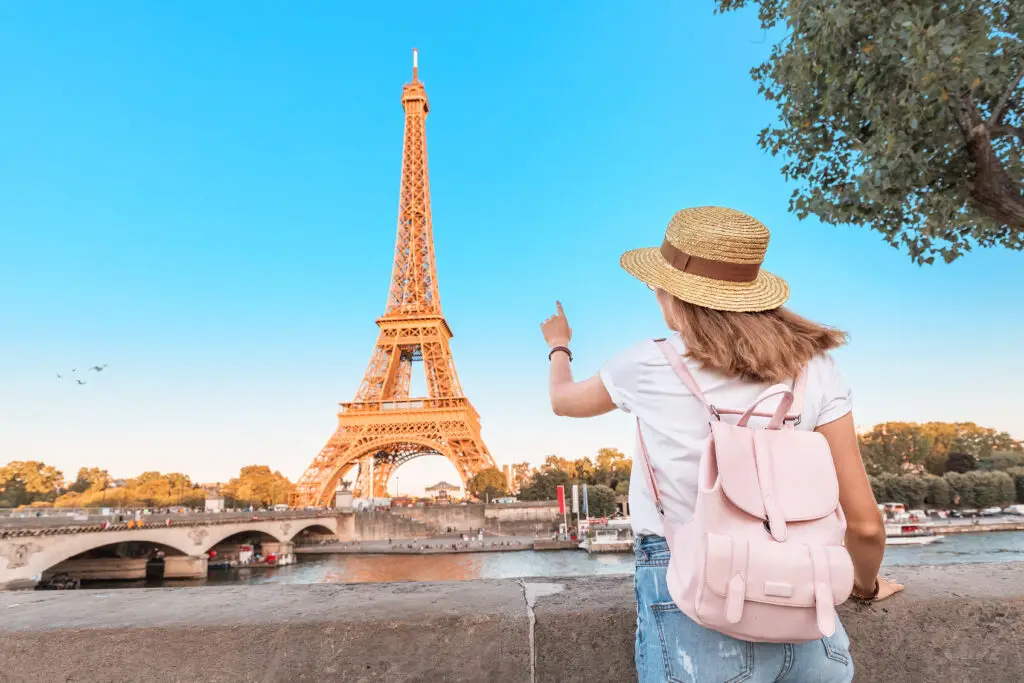
Your guide will meet you at your hotel and accompany you through the historic center, providing context and insight as you explore.
Start at the Eiffel Tower, where you’ll view the monument from its base and surrounding viewpoints while learning about its construction and role in modern Paris.
Continue to the area around Notre-Dame Cathedral, where you’ll explore the Île de la Cité, the historic heart of the city. Here, your guide will explain the significance of the cathedral and the surrounding buildings, along with Paris’s early development.
From here, follow the Seine River, walking past its historic bridges and riverside quays. Along the way, you’ll pass bookstalls, public squares, and key viewpoints, with your guide highlighting architectural details and notable sites.
The tour concludes in a central location or back at your hotel, after which the rest of the day is at leisure.
Overnight: Paris.
Day 9: Normandy Beaches Day Trip
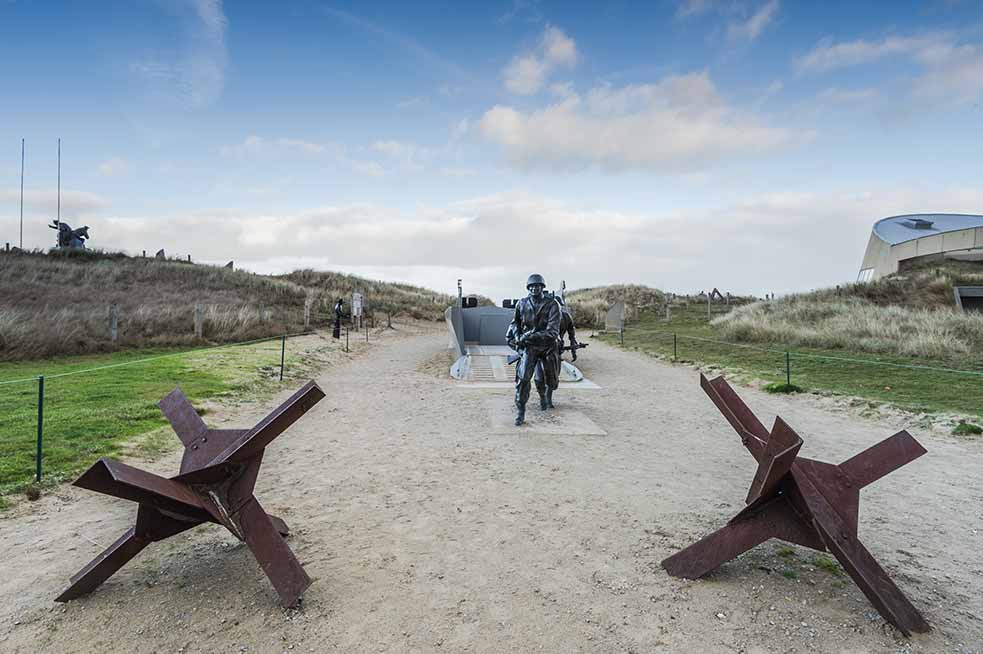
Today is a powerful and deeply meaningful journey into one of the most significant landscapes of modern history.
Depart early with your private driver-guide for Normandy, where the events of D-Day unfolded along this quiet stretch of coastline. As you travel through the French countryside, your guide provides context that brings the history into focus before you arrive.
The D-Day Landing Beaches
Walk the sands of Omaha Beach, stand at the cliffs of Pointe du Hoc, and visit key sites that shaped the course of World War II.
The experience is both educational and reflective, offering time to absorb the scale and significance of what took place here.
A visit to the American Cemetery provides a moment of quiet reflection, set above the shoreline with sweeping views across the Channel.
Though a full day, the experience is carefully paced and guided with sensitivity, making it one of the most memorable and impactful days of the journey.
Return to Paris in the evening.
Overnight: Paris
Day 10: Champagne Region – Vineyards, Cellars & French Craftsmanship
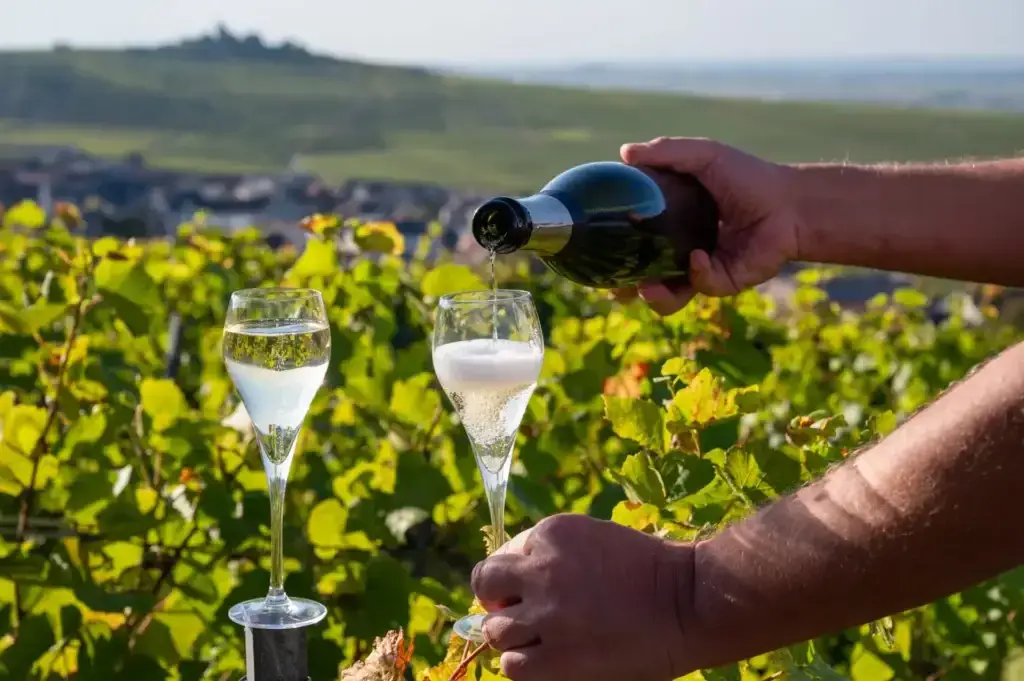
Today offers a change of pace as you leave the capital for the rolling vineyards of the Champagne region.
Travel by train to Reims, where your experience begins with a guided exploration of one of the world’s most celebrated wine regions.
Champagne House Experience
Visit the historic cellars of Taittinger, where generations of craftsmanship have shaped the production of Champagne.
Enter ancient chalk cellars, learn about the production process, and enjoy tastings that highlight the elegance and precision behind each bottle.
Beyond the cellars, there is time to explore the region’s character, vineyards stretching across gentle hills, historic architecture, and the refined atmosphere that defines Champagne.
Return to Paris by train in the afternoon and enjoy a relaxed final evening in the city.
Overnight: Paris
Day 11: Rail Journey to Switzerland
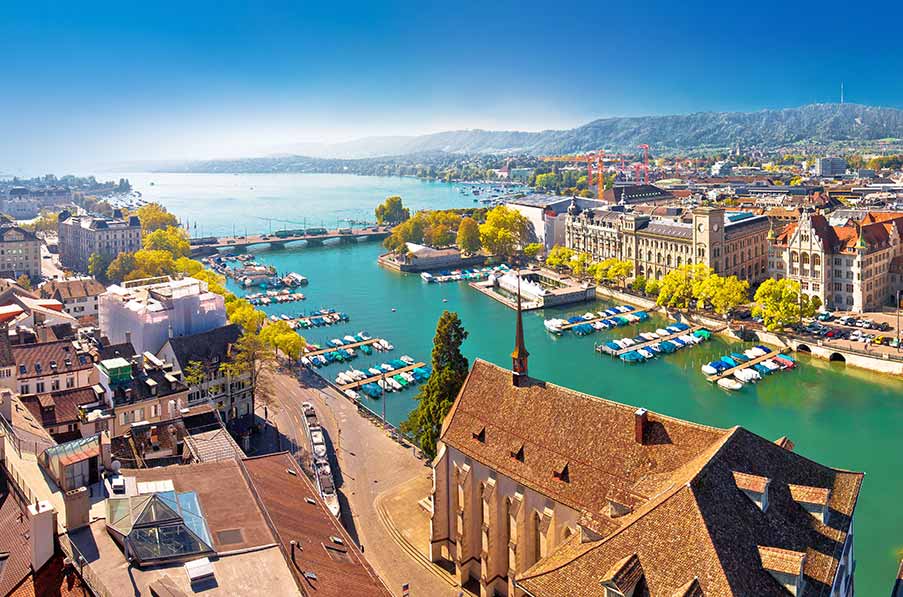
Destination number three awaits on day 11 as you depart Paris for Switzerland by rail for the first-class 4-hour journey to Zurich.
The evening is free to enjoy at your own pace.
Overnight: Zurich / Switzerland
Day 12: Mount Pilatus & Lake Lucerne
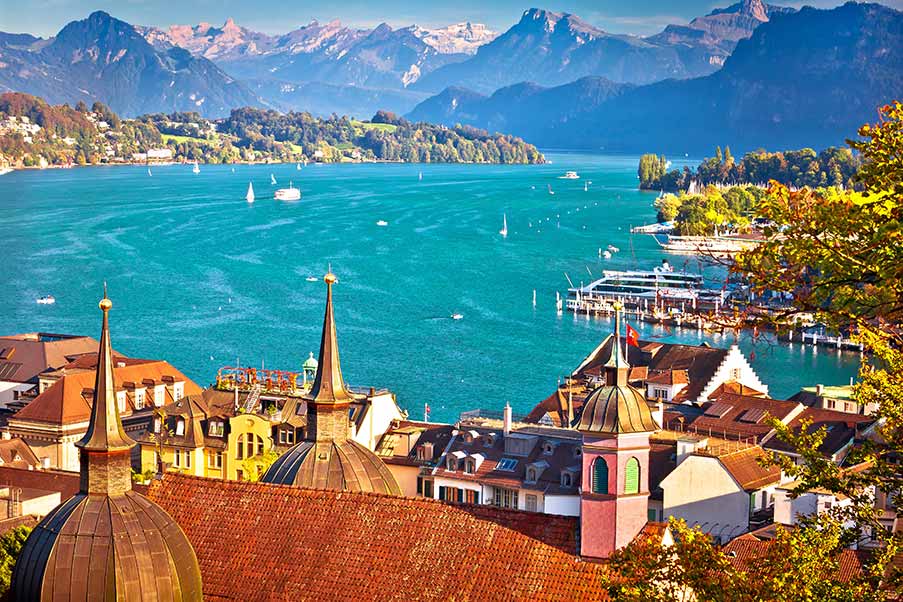
Travel to Lucerne and begin the Mount Pilatus Golden Roundtrip, a seamless combination of boat, rail, and aerial transport that showcases the region from multiple perspectives.
Lake Lucerne & Pilatus Summit
Start with a scenic boat cruise across Lake Lucerne, where calm waters reflect the surrounding peaks.
From there, ascend the mountain via the world’s steepest cogwheel railway, climbing through alpine landscapes toward the summit.
At the top, take time to absorb the panoramic views across lakes, valleys, and distant mountain ranges.
Lucerne at Leisure
Spend time exploring Lucerne’s charming old town, with its wooden bridges, painted façades, and relaxed lakeside atmosphere.
Return to Zurich in the evening.
Overnight: Zurich
Day 13: The Bernese Alps
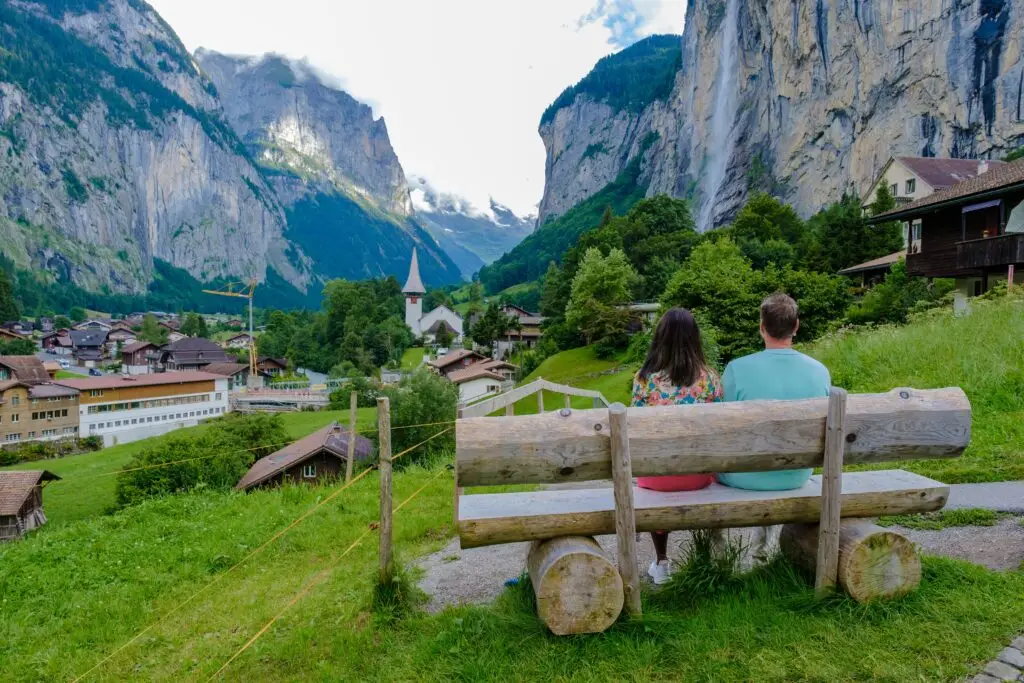
We bring you into the heart of the Swiss Alps on day 13 of our itinerary, where some of the country’s most dramatic landscapes unfold.
With your private guide, journey into the Bernese Oberland, a region defined by towering peaks, deep valleys, and traditional mountain villages.
Lauterbrunnen & the Valley of 72 Waterfalls
Begin at Lake Lungern, a perfect introduction to the region’s natural beauty, before continuing to Lauterbrunnen, often described as one of the most beautiful valleys in Europe.
Here, waterfalls cascade down sheer cliffs, creating a landscape that feels almost unreal in its scale and serenity.
Mürren & Alpine Perspectives
Ascend by cable car to Mürren, a car-free mountain village perched high above the valley. From here, sweeping views stretch across the surrounding peaks, offering one of the most memorable vantage points in Switzerland.
Enjoy a relaxed Swiss picnic in Stechelberg, surrounded by nature, before continuing through Interlaken and the surrounding region.
Return to Zurich in the evening.
Overnight: Zurich
Day 14: Into Italy – Rail Journey to Milan
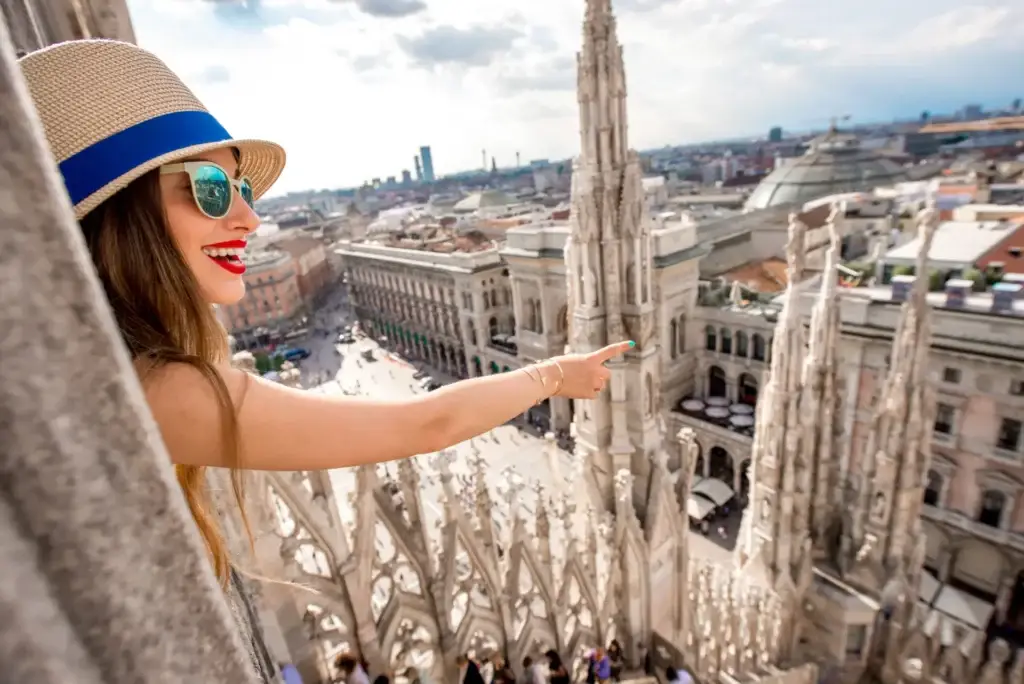
Your journey continues south into Italy!
Travel by high-speed train from Switzerland to Milan, crossing from alpine landscapes into the softer tones of northern Italy.
On arrival, transfer to your hotel and enjoy your first evening in Italy at leisure.
You may wish to take a gentle walk through the city, explore nearby streets, or simply relax and take in the change of setting.
Overnight: Milan
Day 15: Lake Como Day Trip
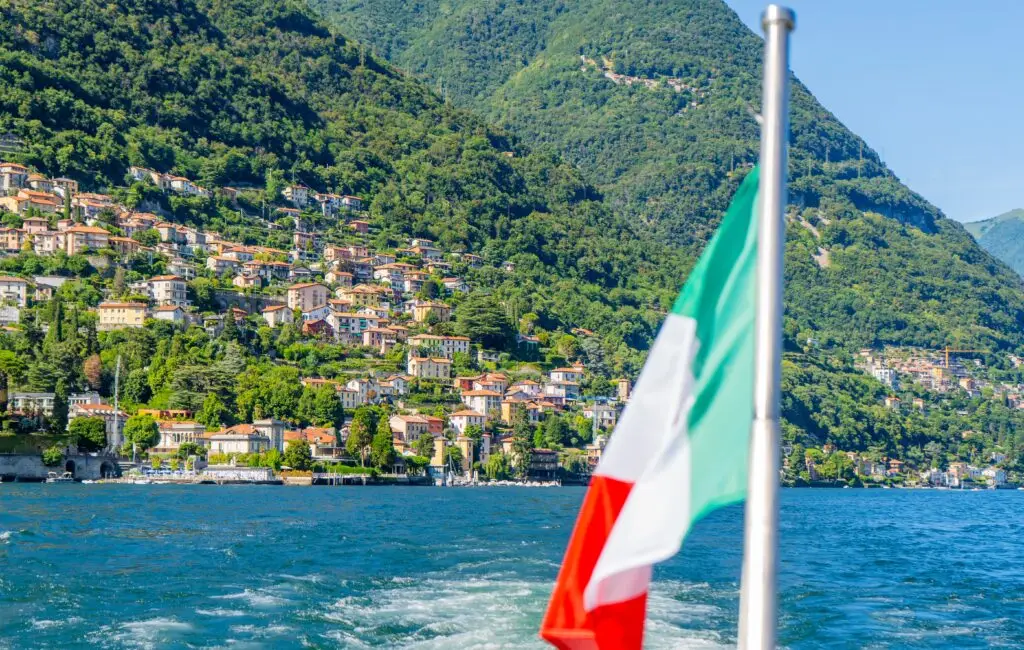
Travel north from Milan to Lake Como, where the landscape shifts into a blend of alpine drama and Mediterranean elegance. Surrounded by steep mountains and dotted with historic villas, the lake has long been a retreat for artists, aristocrats, and travelers seeking calm and beauty.
Bellagio, Varenna & Lakeside Life
Explore charming lakeside towns such as Bellagio or Varenna, where narrow streets, waterfront cafés, and quiet harbors create a relaxed and timeless atmosphere.
A boat journey across the lake offers a different perspective, gliding past grand villas, gardens, and villages that seem to rise directly from the water.
The day is intentionally flexible, allowing time to wander, pause for lunch by the water, or simply take in the scenery at your own pace.
Return to Milan in the evening.
Overnight: Milan
Day 16: Into Tuscany – Journey to Florence
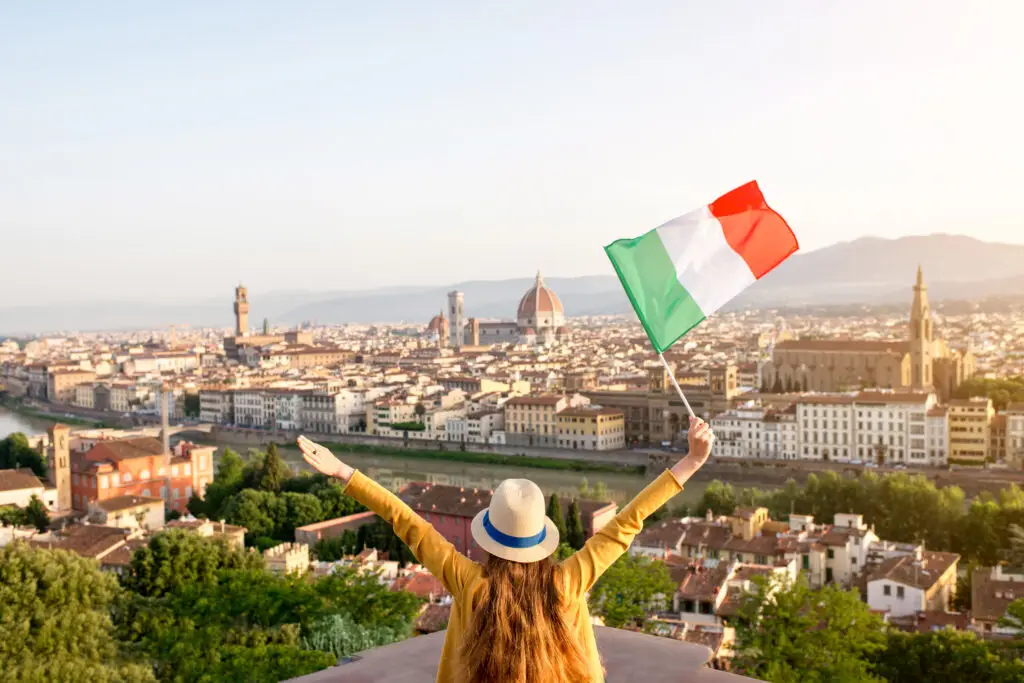
Travel by high-speed rail from Milan to Florence, where the landscape softens into rolling hills, vineyards, and historic towns.
On arrival, settle into your hotel in one of Europe’s most culturally rich cities with its streets lined with Renaissance architecture, artisan workshops, and centuries of artistic achievement.
The remainder of the day is at leisure, offering time to begin exploring at your own pace.
Overnight: Florence
Day 17: Florence – The Cradle of the Renaissance
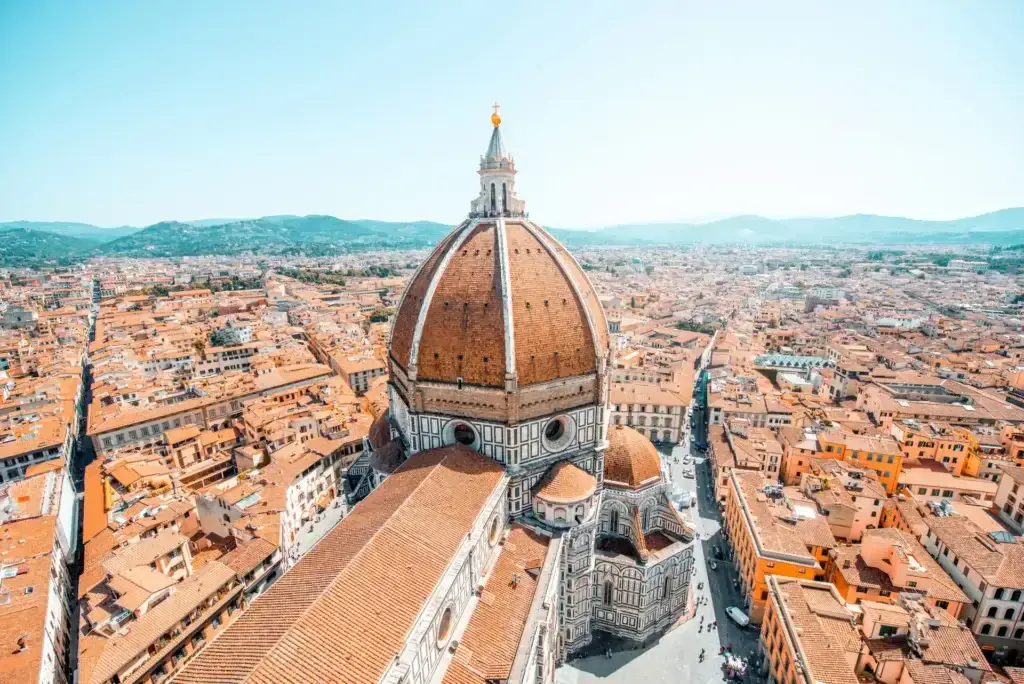
Today is dedicated to Florence’s artistic and architectural legacy.
With your private guide, explore the city that shaped the Renaissance, where every street reveals layers of history and creativity.
Duomo, Uffizi & Historic Florence
Visit the Florence Cathedral (Duomo), with its iconic dome dominating the skyline, before continuing through the historic center.
At the Uffizi Gallery, discover masterpieces by artists such as Botticelli, Leonardo da Vinci, and Michelangelo, as your guide provides context that brings the works to life.
Throughout the day, walk through Florence’s elegant streets, crossing historic bridges and passing piazzas that have remained largely unchanged for centuries.
The evening is free to enjoy Florence’s renowned food scene or simply soak in the atmosphere.
Overnight: Florence
Day 18: Tuscany – Vineyards, Hilltop Towns & Countryside Pace
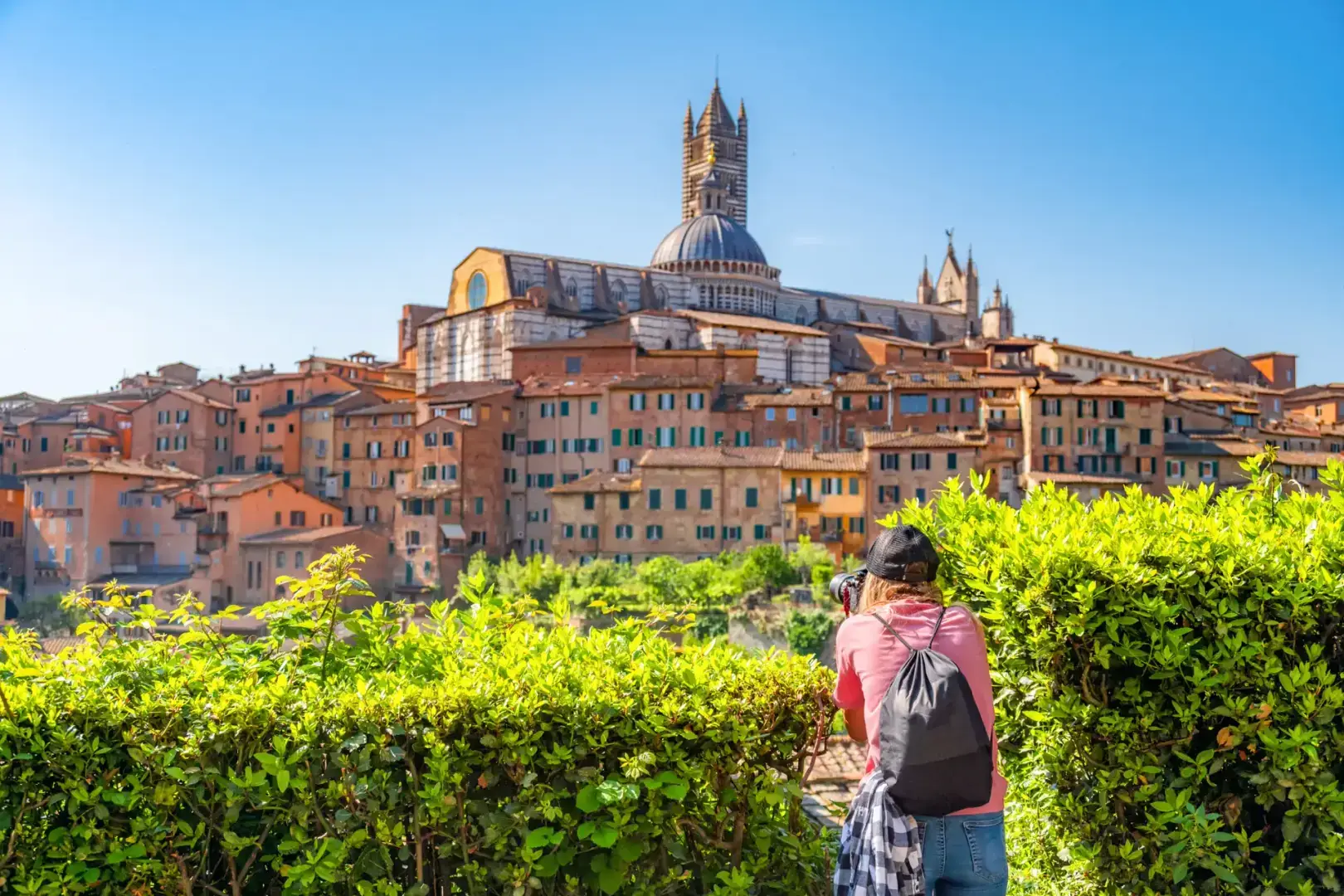
Today, step beyond the city into the landscapes that define Tuscany.
Rolling vineyards, olive groves, and medieval towns create a setting that feels both timeless and deeply connected to the rhythm of rural life.
Chianti, Siena, or Pisa: A Tailored Day
Depending on your preferences, explore regions such as Chianti, known for its vineyards and wine culture, or visit historic towns like Siena or Pisa.
Enjoy time in hilltop villages, walk through historic squares, and experience the slower pace that defines this part of Italy. A visit to a local vineyard offers insight into traditional wine production, often paired with tastings and regional cuisine.
The day is designed to feel relaxed and immersive, rather than rushed—allowing you to experience Tuscany as it is meant to be enjoyed.
Return to Florence in the evening.
Overnight: Florence
Day 19: Florence at Leisure
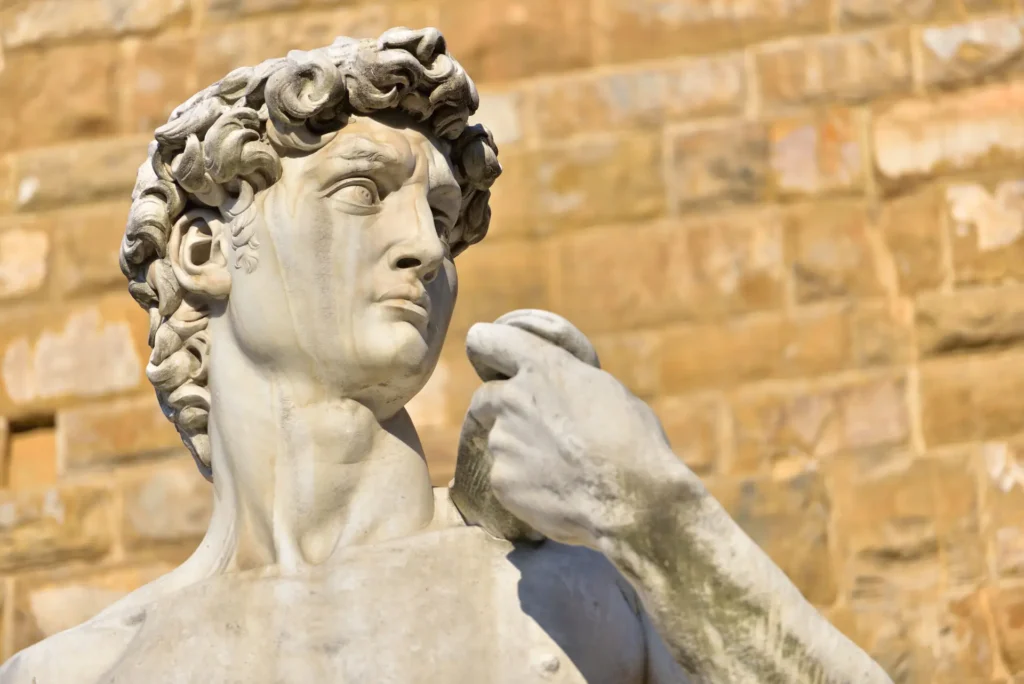
Today is left open, giving you time to explore Florence more deeply or simply enjoy a slower pace.
You may wish to revisit favorite areas, discover lesser-known streets, or explore artisan shops and local markets. For those interested in culture, additional museums and galleries offer further insight into the city’s artistic legacy.
Alternatively, enjoy Florence as the Italians do – overly long lunches, coffee in a quiet piazza, or a relaxed walk along the Arno.
This pause in the itinerary allows space to absorb the experience rather than move quickly through it.
Overnight: Florence
Day 20: Arrival in Rome – The Eternal City
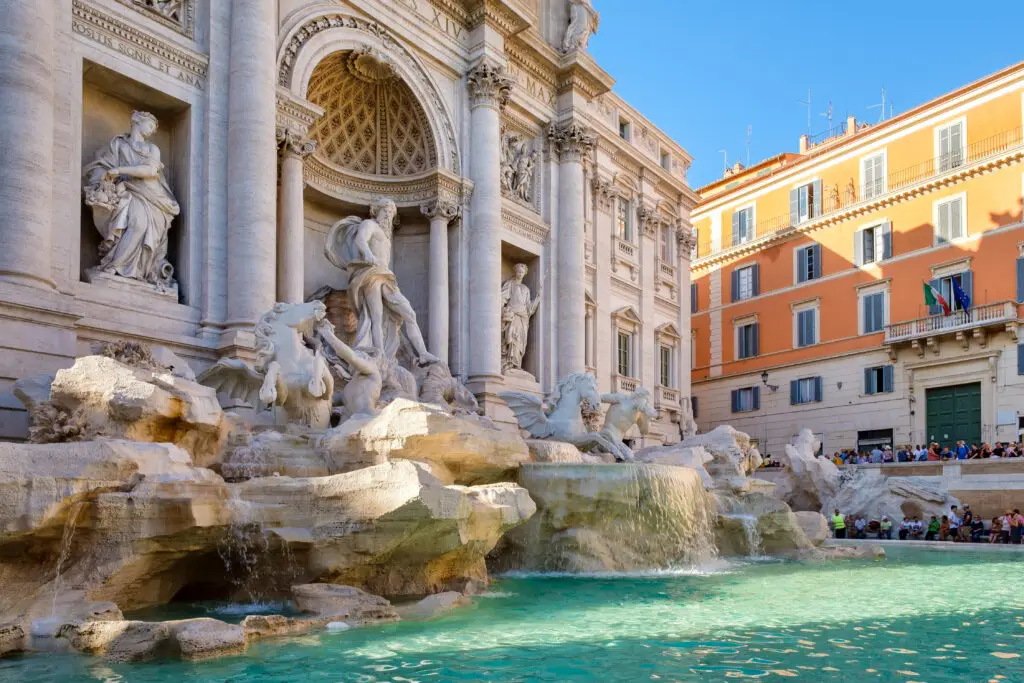
We will arrange a transfer for you on the morning of day 20 to take you from your accommodation to the train station for the 1.5-hour fast train journey to Rome!
After settling into your accommodation in The Eternal City, get underway with a guided walking tour.
With your private guide, set out on a relaxed walking tour through some of Rome’s most iconic and atmospheric landmarks. Toss a coin into the Trevi Fountain, stand at the base of the Spanish Steps, and step inside the remarkable Pantheon, where ancient engineering still inspires awe.
Continue through elegant squares such as Piazza Navona, while also discovering quieter corners and hidden sites that many visitors miss.
Throughout the experience, your guide brings Rome to life through stories, local traditions, and historical insight.
Overnight: Rome
Day 21: Colosseum, Forum & Palatine Hill
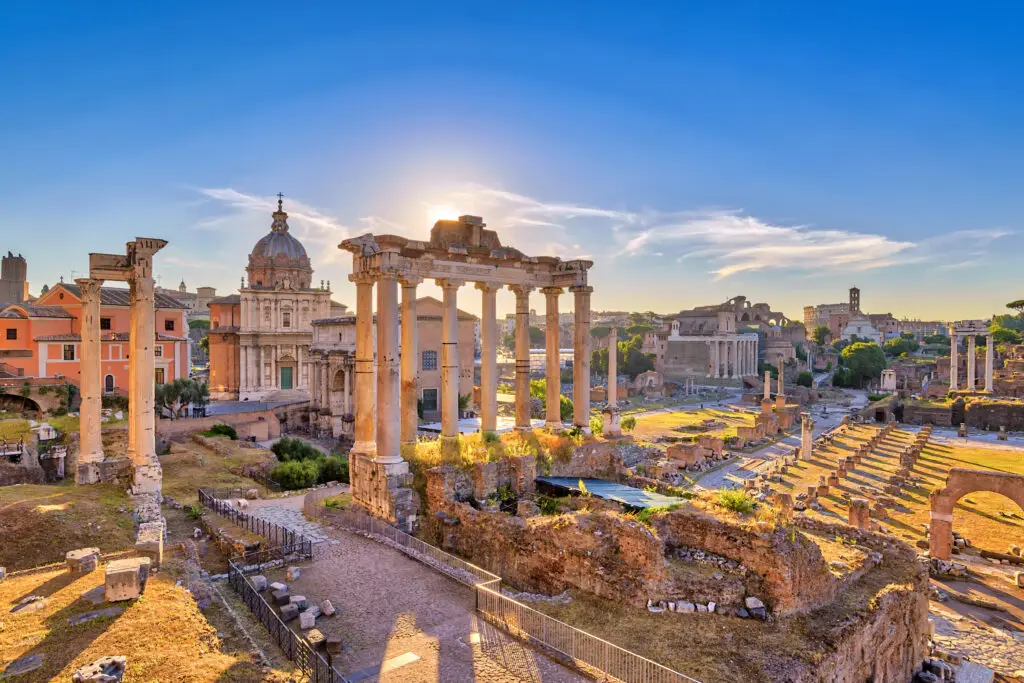
Today, step back into the world of Ancient Rome, where the foundations of an empire still shape the modern city.
A private transfer brings you directly to the Colosseum, where you’ll begin a guided exploration of Rome’s most iconic monument.
Colosseum, Roman Forum & Palatine Hill
With skip-the-line access, enter the Colosseum and uncover the stories of gladiators, emperors, and the spectacles that once filled this vast arena. Learn how it was built, why it stands where it does, and the role it played in Roman society.
Continue into the Roman Forum, once the empire’s political and social center. As you walk among its ruins, your guide will reconstruct the city as it once was, alive with activity, power, and influence.
From Palatine Hill, enjoy sweeping views across Rome while hearing the legendary story of its founding, where Romulus is said to have established the city.
Overnight: Rome
Day 22: Vatican City Tour
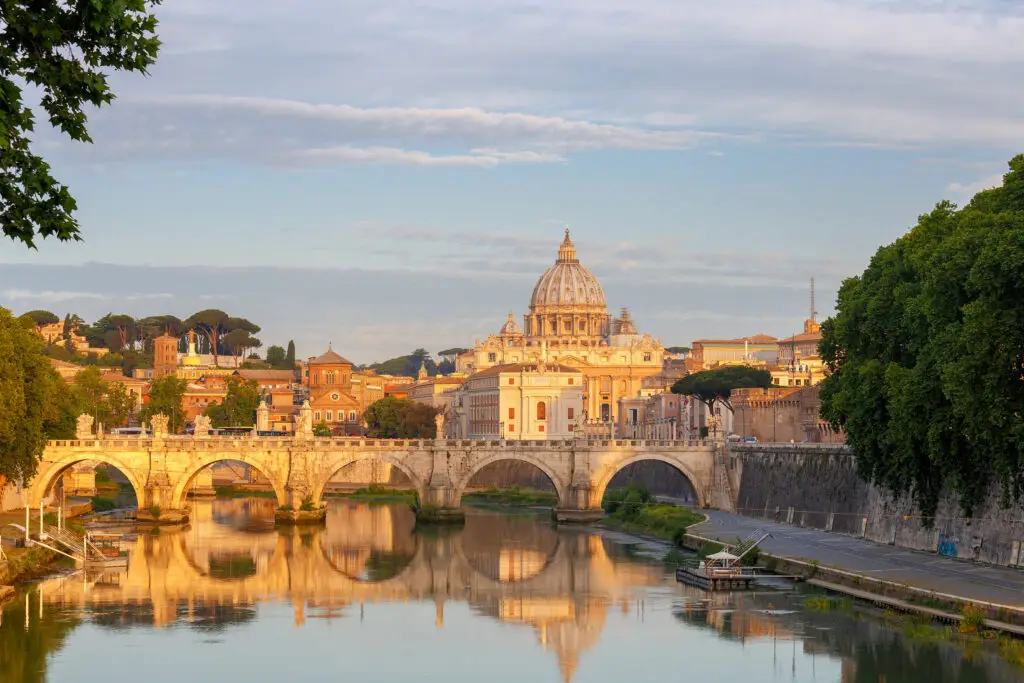
With skip-the-line access, explore the vast Vatican Museums, a remarkable collection of art and history spanning centuries.
Move through galleries filled with sculptures, tapestries, and Renaissance masterpieces, as your guide provides insight into both the artworks and the figures behind them.
The experience culminates in the Sistine Chapel, where Michelangelo’s ceiling remains one of the most celebrated works in the world. Standing beneath it, you gain a true appreciation for its scale, detail, and significance.
Along the way, your guide shares stories of artists, popes, and the politics behind the creation of these works, bringing depth and personality to what you see.
Overnight: Rome
Day 23: From Rome to Munich
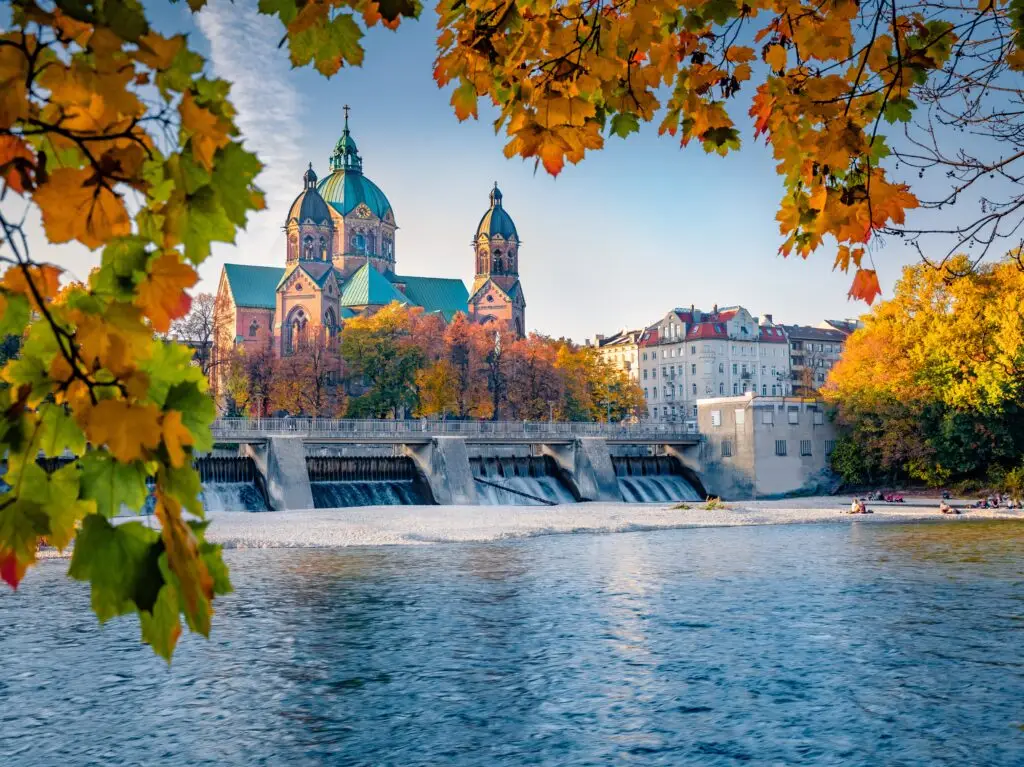
Today, leave Italy behind and travel north into Germany, the final country on our grand European tour, on a flight lasting just over an hour and a half.
Fly from Rome to Munich, Bavaria’s elegant capital. On arrival, transfer to your hotel and take time to settle in.
The evening is at leisure, perhaps with a walk through nearby streets or an introduction to Bavarian cuisine.
Overnight: Munich
Day 24: Private Munich City Tour & Bavarian Culture
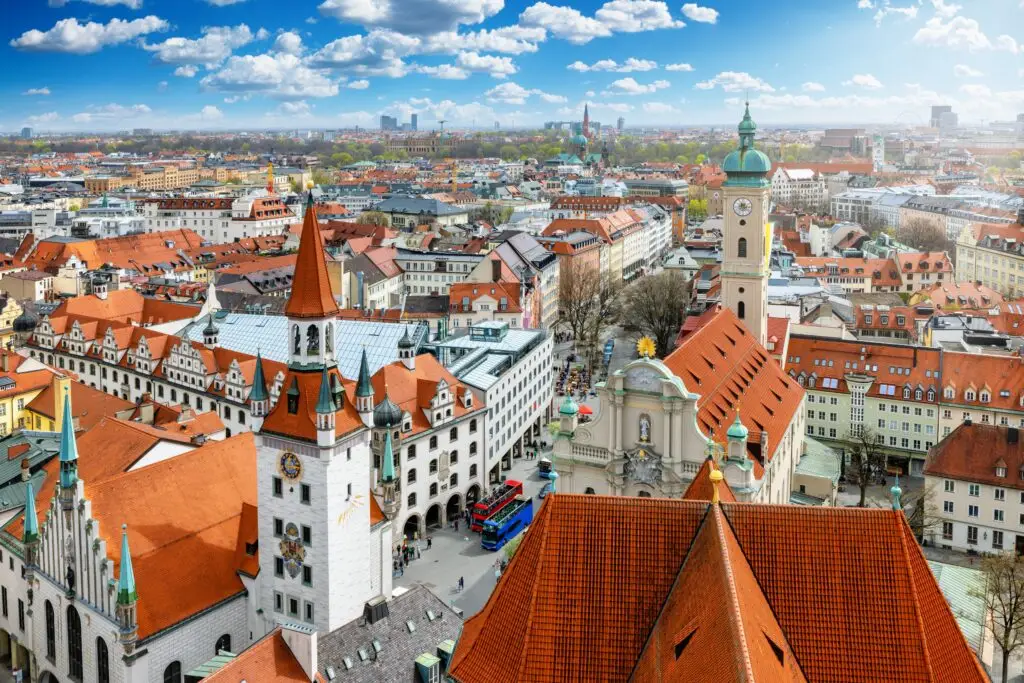
Today, explore Munich on a privately guided city tour, designed to introduce you to both its historic core and its everyday Bavarian character.
Your guide will meet you at your hotel and begin with a walking tour through the city center, starting at Marienplatz, the heart of Munich. Here, you’ll see the New Town Hall and its famous Glockenspiel, while learning how this square has shaped the city’s political and social life.
Continue on foot through the surrounding streets, passing:
- The historic Viktualienmarkt food market
- Traditional Bavarian architecture and churches
- Key landmarks that reflect Munich’s royal and cultural past
As part of the experience, you’ll visit a traditional Bavarian beer hall, where your guide will explain the role these venues play in local life.
You’ll have the opportunity to sit, enjoy a drink or meal if desired, and experience this central part of Munich’s culture firsthand.
Overnight: Munich
Day 25: Bavarian Alps – Neuschwanstein Castle & Scenic Countryside
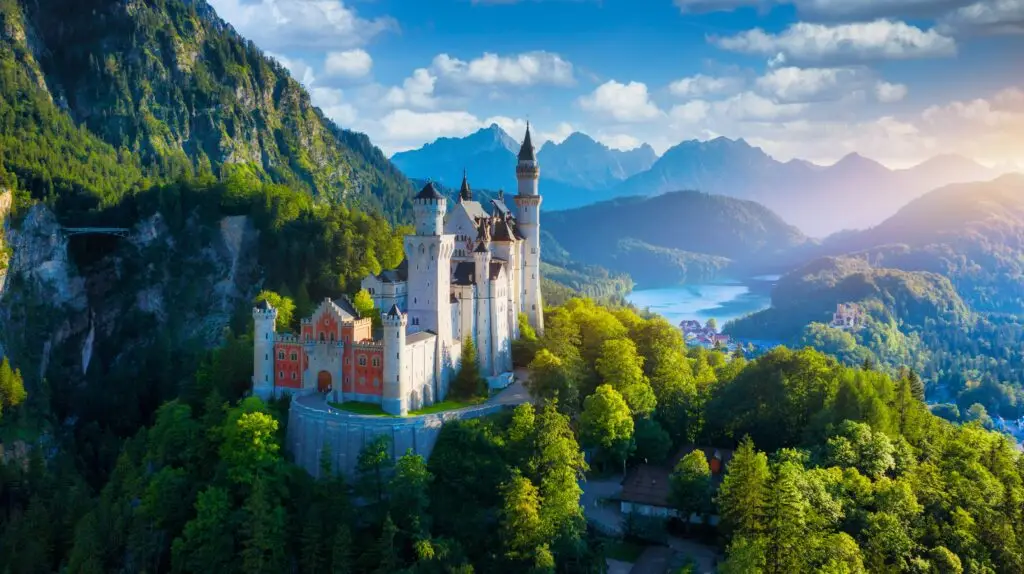
We have a guided day trip planned for you today as you venture out into the Bavarian countryside, where you’ll experience one of Germany’s most iconic landmarks alongside its alpine landscapes.
Neuschwanstein Castle Experience
Arrive at Neuschwanstein Castle, set high above the surrounding valley. With pre-arranged entry, you’ll:
Access the castle interior on a timed visit, explore the state rooms, and learn about King Ludwig II.
There will also be time to enjoy viewpoints overlooking the castle, including the famous panoramic perspectives across the valley and surrounding mountains.
Alpine Landscape & Villages
Depending on timing and preference, your guide may include additional stops such as:
- Lakeside viewpoints
- Small Bavarian villages
- Scenic countryside photo stops
The day is structured to balance the main visit with time to experience the landscape itself, rather than rushing between locations.
Return to Munich in the evening.
Overnight: Munich
Day 26: Munich to Berlin Rail Journey
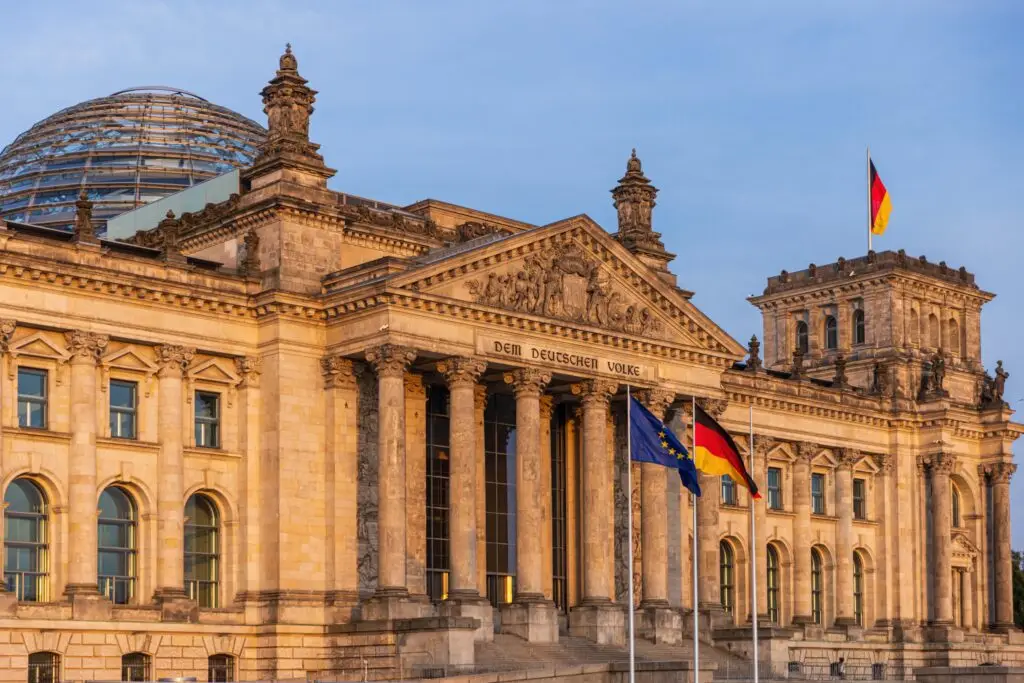
Today, I traveled from Munich to Berlin by high-speed train.
A private transfer will take you to the station, where you’ll board your train for a comfortable journey through Germany’s changing landscapes.
On arrival in Berlin, you’ll be met and transferred to your hotel.
The remainder of the day is free to settle in, with time for a short walk, dinner, or rest after the journey.
Overnight: Berlin
Day 27: Berlin Historical & Cultural Tour
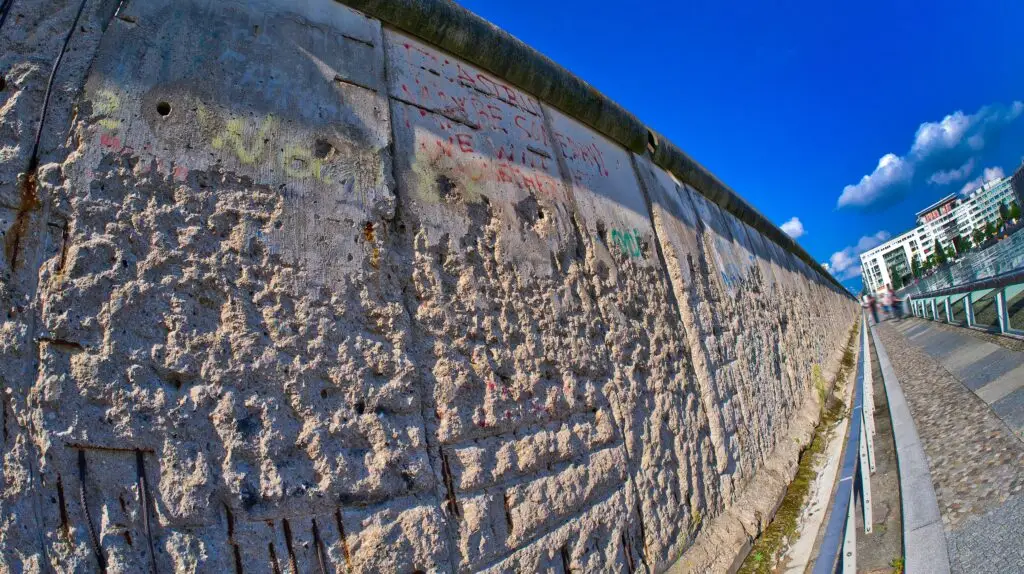
Your guide will meet you at your hotel and take you through key sites that define Berlin’s past and present.
Visit major landmarks, including:
- The Berlin Wall and preserved sections of the former border
- Brandenburg Gate, a symbol of reunification
- Key locations connected to WWII and Cold War history
Your guide will explain how these sites fit into the broader story of Germany and Europe, providing clear context as you move between them.
Modern Berlin & Cultural Districts
In addition to historical sites, the tour includes time in areas that reflect Berlin’s contemporary culture, where art, design, and daily life shape the city today.
The tour is flexible in pace and content, allowing for a more personalized experience.
The remainder of the day is at leisure.
Overnight: Berlin
Day 28: Departure
Your journey concludes today with a private transfer to the airport.