
Day 1 – Arrival in Copenhagen
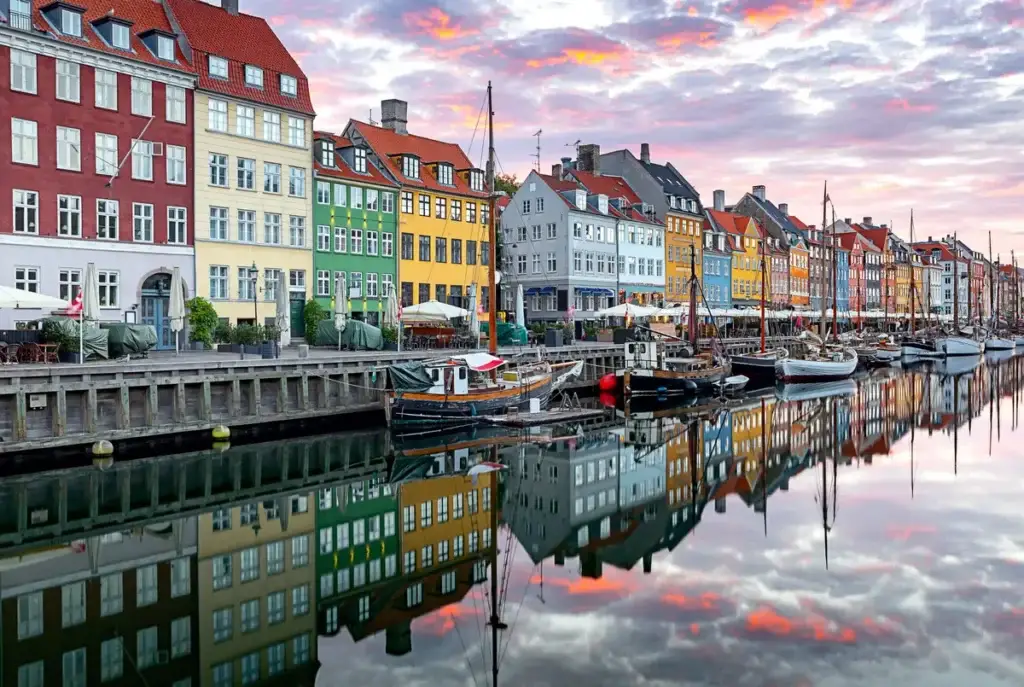
After arriving in Copenhagen, your private transfer will take you to the city center. Once checked into your hotel, the remainder of the day is free to explore at your own pace.
Depending on your arrival time, you may want to walk around Nyhavn, visit one of the cafés along the canals, or spend time exploring the streets around the old center of Copenhagen.
Overnight in Copenhagen.
Day 2 – Copenhagen Highlights Walking Tour
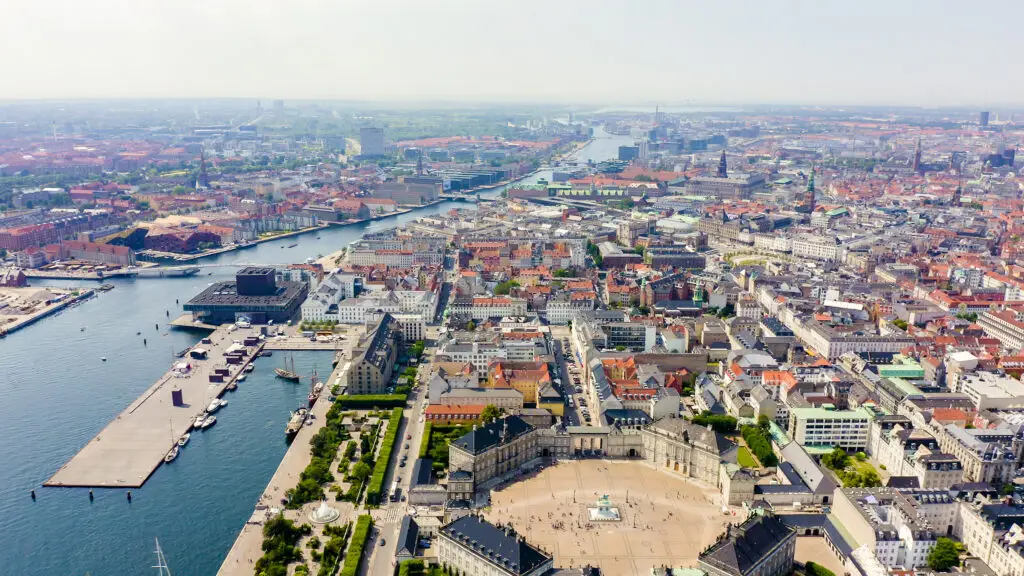
Your first full day in Denmark begins with a private walking tour through the center of Copenhagen.
Copenhagen City Hall
The tour begins at Copenhagen City Hall, one of the city’s most recognizable buildings. Inside, your guide will introduce you to the main halls, historic details, and Jens Olsen’s World Clock, a huge mechanical clock known for its complicated design and remarkable accuracy.
Christiansborg Palace & Slotsholmen
From here, the walk continues to Slotsholmen Island and Christiansborg Palace. The building is home to the Danish Parliament, Supreme Court, and royal reception rooms, making it one of the most important political buildings in Denmark.
Around the palace area, you’ll walk beside canals, bridges, and government buildings while hearing more about Denmark’s monarchy, political system, and royal history.
Nyhavn, Amalienborg & The Marble Church
Continuing through the city, you’ll pass several of Copenhagen’s best-known landmarks, including the colorful harborfront at Nyhavn, where old merchant houses line the canal beside cafés and historic wooden boats.
The route also includes Amalienborg Palace, where the Danish royal family lives, as well as the nearby Marble Church, known for its large copper dome rising above the surrounding streets.
King’s Garden & Old Copenhagen
Part of the walk takes you through the King’s Garden beside Rosenborg Castle before continuing into some of the older streets and quieter corners of the city center. Along the way, your guide will point out hidden courtyards, narrow lanes, and smaller squares that many visitors pass without noticing.
The tour finishes at Kongens Nytorv, close to the waterfront, shopping streets, and cafés around central Copenhagen.
The remainder of the afternoon is free for independent sightseeing.
Overnight in Copenhagen.
Day 3 – Knuthenborg Safari Park
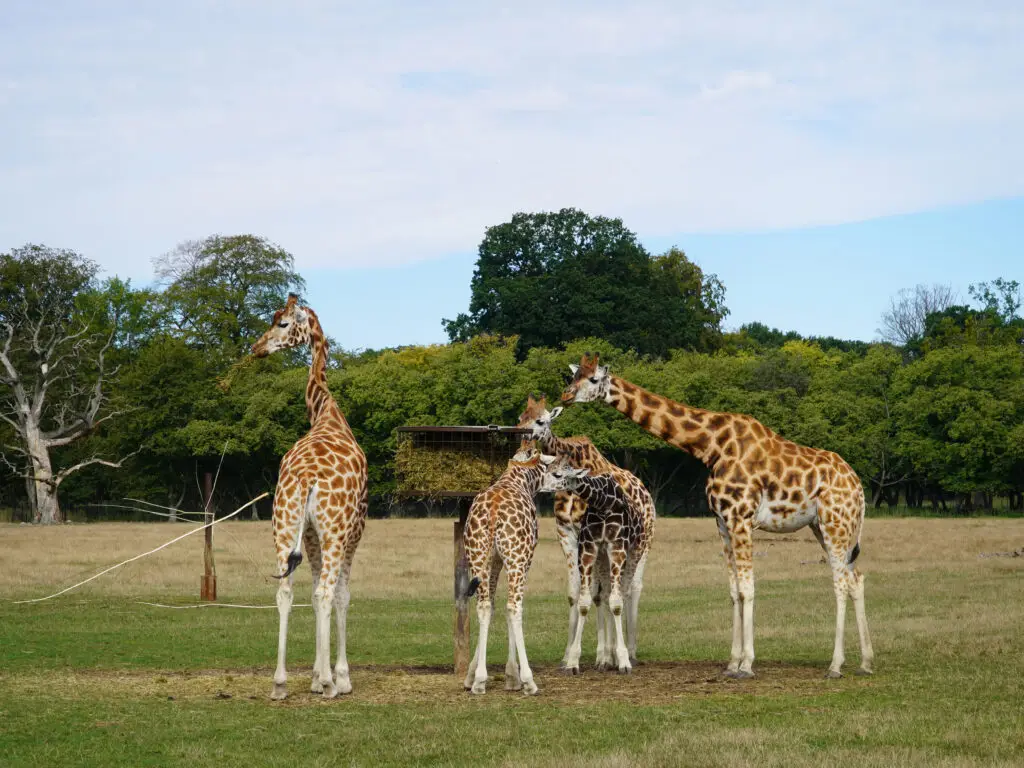
Leaving Copenhagen behind for the day, you’ll travel south to Knuthenborg Safari Park on the island of Lolland.
Knuthenborg Safari Park
Knuthenborg is the largest safari park in Northern Europe and spans expansive open landscapes where animals move freely through different sections of the reserve. During your visit, you may see giraffes, rhinos, tigers, wolves, zebras, and other animals from around the world.
Unlike a traditional zoo, much of the park is experienced by vehicle, with roads passing directly through the different wildlife areas.
Southern Zealand & Lolland
The journey south also gives you time to see a quieter side of Denmark, with farmland, coastal roads, and smaller towns replacing the busier atmosphere around Copenhagen.
Overnight in the region.
Day 4 – Hyllekrog Nature Reserve & Fejø Island
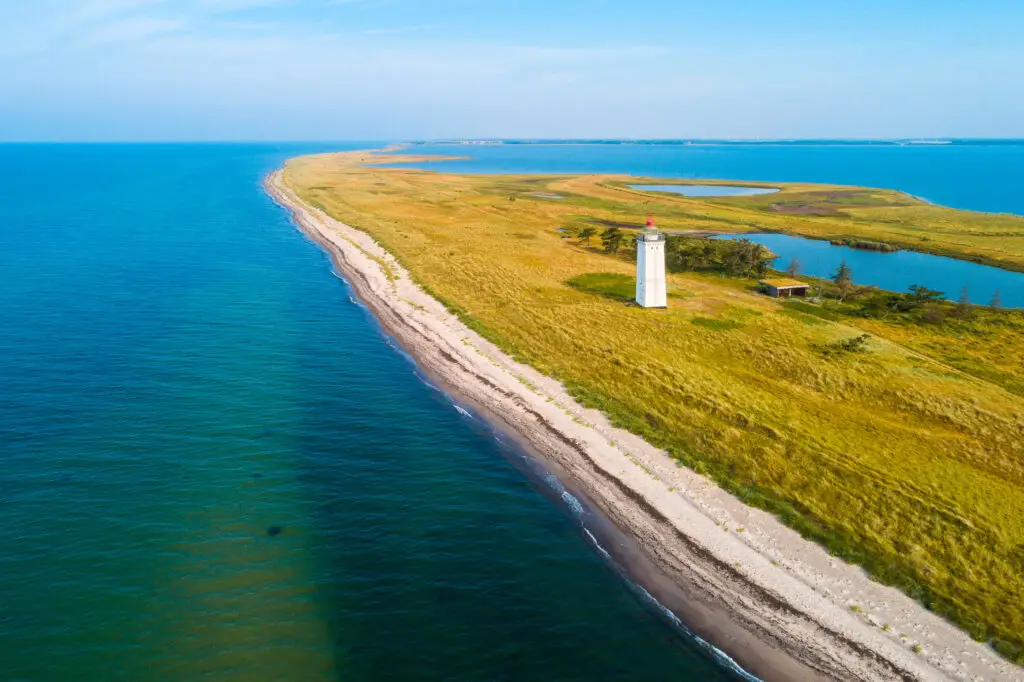
This part of the trip focuses on southern Denmark’s coastline, birdlife, and island communities.
Hyllekrog Nature Reserve
Hyllekrog sits along the southern coast of Lolland and is known for its wetlands, beaches, migratory birdlife, and open coastal scenery. Wooden walkways and trails lead out through the protected landscape toward the shoreline.
The reserve feels remote and quiet compared with Denmark’s larger towns and cities.
Fejø Island Cider Tasting
Later in the day, you’ll head to Fejø Island, a small island in the Småland Sea known for orchards, local produce, and cider production. During your visit, you’ll stop for a cider tasting while learning more about fruit farming and small-scale production on the island.
Fejø has a very relaxed atmosphere, with small roads, harbors, farms, and villages spread across the island.
Overnight in the region.
Day 5 – Ærøskøbing
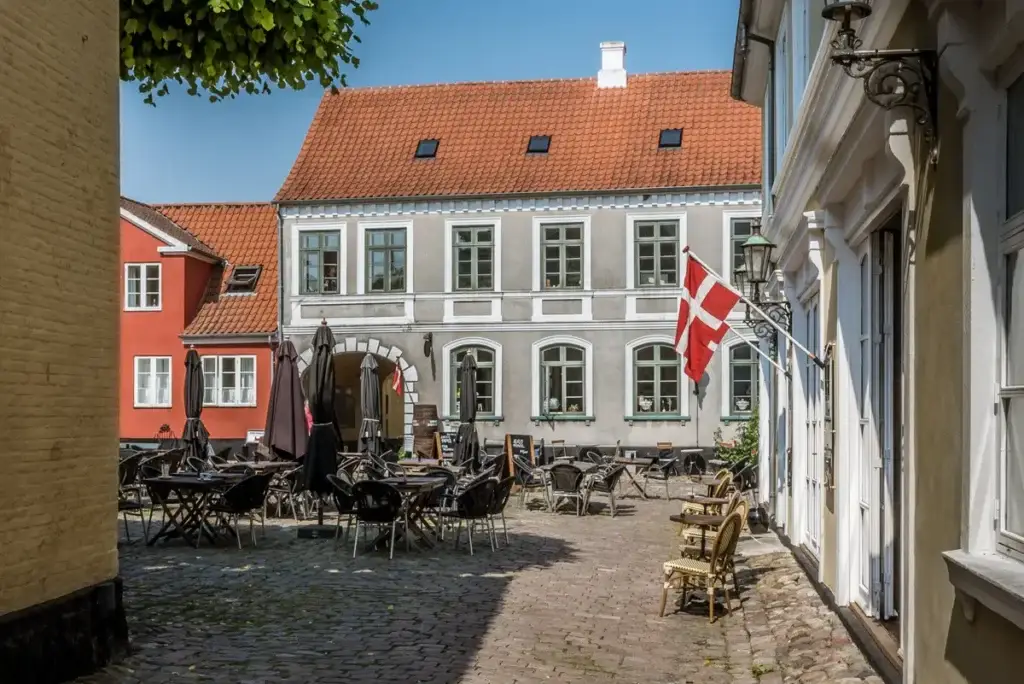
Your journey continues to Ærø Island and the town of Ærøskøbing, one of Denmark’s most recognizable small towns.
Ærøskøbing
After arriving on Ærø Island, you’ll spend time exploring Ærøskøbing on foot with its small harbor, cobbled streets, and rows of brightly painted houses. Walking through the center, you’ll pass old merchant homes, cafés, local shops, and quiet residential streets that have changed very little over the years.
The harbor area remains active with ferries and local boats connecting the island to mainland Denmark and neighboring islands.
Island Life on Ærø
The island itself is small enough that coastal roads, beaches, farmland, and villages are never far apart. Much of daily life still revolves around ferries, fishing, and local businesses connected to the sea.
Overnight on Ærø.
Day 6 – Marstal & Voderup Klint
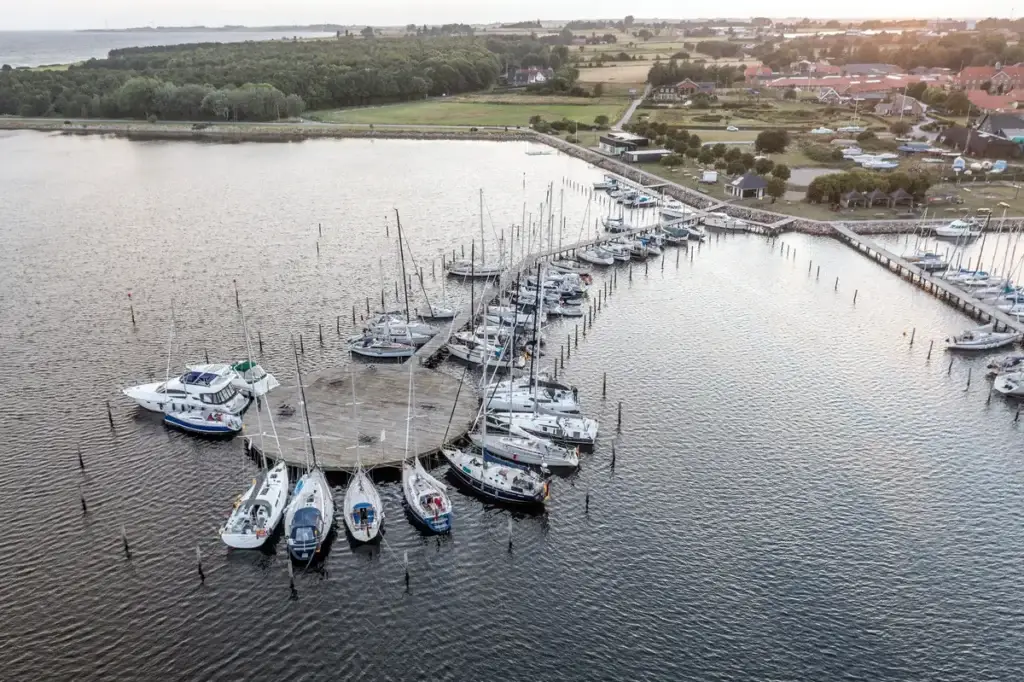
This morning, you’ll continue exploring Ærø Island with visits connected to its maritime history and coastline.
Marstal Maritime Museum
Located in the island’s largest town, the Marstal Maritime Museum focuses on Denmark’s long connection to shipping and seafaring. Inside, the exhibits cover life aboard Danish ships, trade routes, navigation, and the role towns like Marstal played in maritime history.
Voderup Klint
Later in the day, you’ll visit Voderup Klint, a stretch of coastal cliffs on Ærø known for views across the Baltic Sea and walking trails above the shoreline.
The area is popular for walking and birdwatching, particularly during the summer months.
Overnight on Ærø.
Day 7 – Svendborg
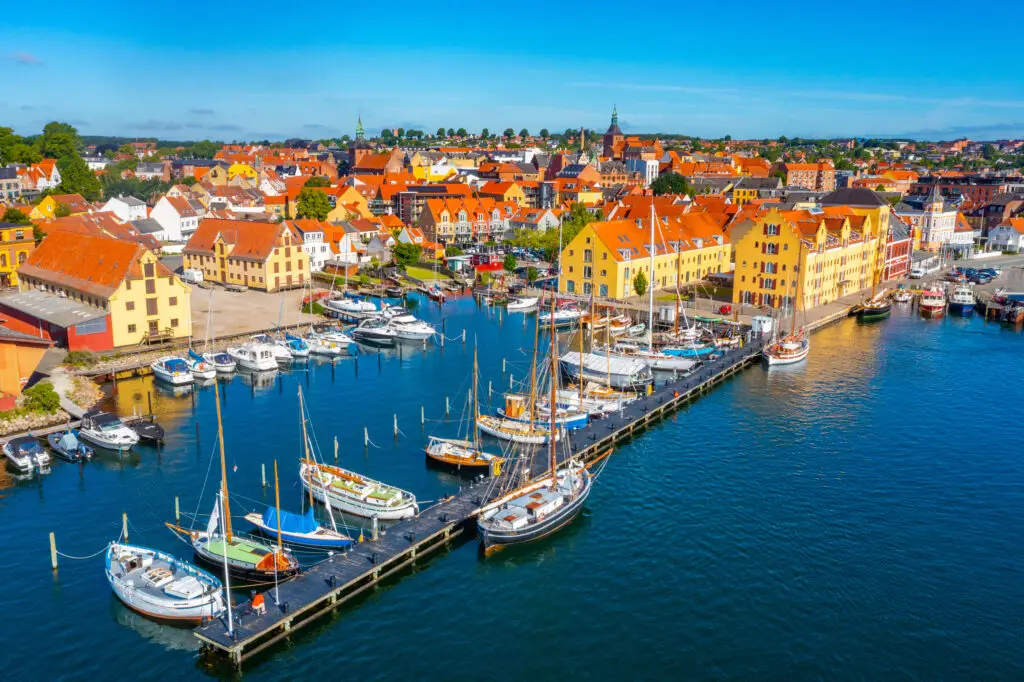
After leaving Ærø, you’ll continue north to Svendborg on the island of Funen.
Svendborg Harbor Town
Svendborg is one of Denmark’s best-known harbor towns and has a strong connection to sailing and maritime culture. Around the waterfront, you’ll find marinas, wooden boats, seafood restaurants, and ferry connections linking the surrounding islands together.
The town center also has older streets, cafés, and smaller local shops spread across the hills rising above the harbor.
Overnight in Svendborg.
Day 8 – Tåsinge Island & Valdemars Castle
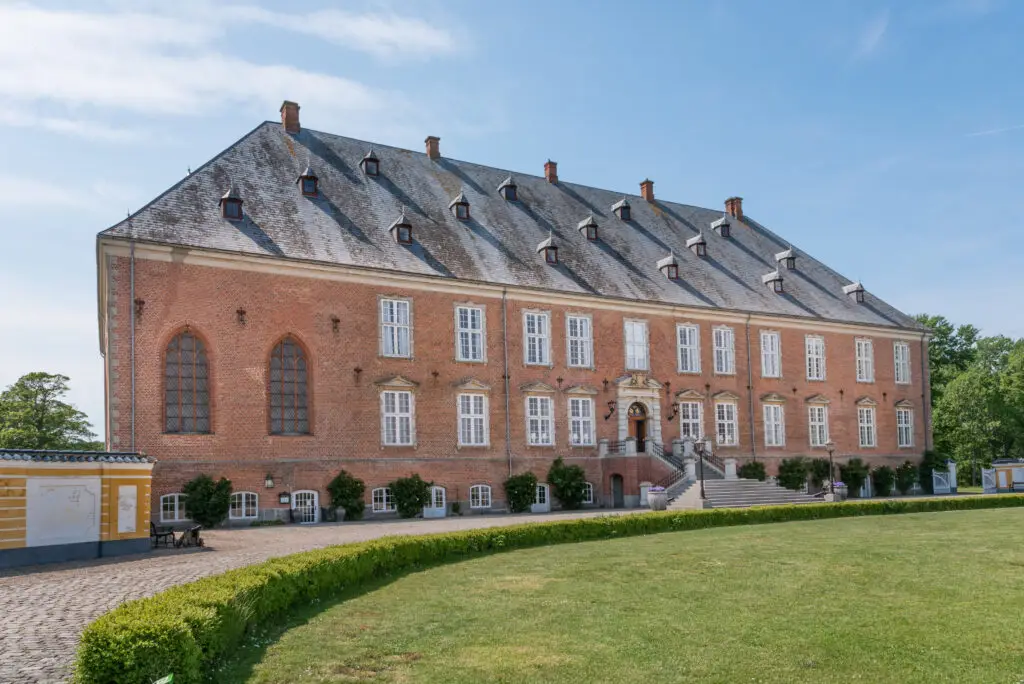
A short journey south of Svendborg brings you to Tåsinge Island.
Tåsinge Island
Tåsinge is connected to Funen by bridge and is known for smaller villages, countryside roads, and coastal scenery overlooking the South Funen Archipelago.
Valdemars Castle
Part of the day includes a visit to Valdemars Castle, located beside the water on Tåsinge Island. The castle grounds include historic buildings, parkland, and views across the surrounding coastline and smaller islands nearby.
The setting around the castle feels quiet and rural, especially compared with Denmark’s larger cities.
Overnight in the region.
Day 9 – Ribe Cathedral
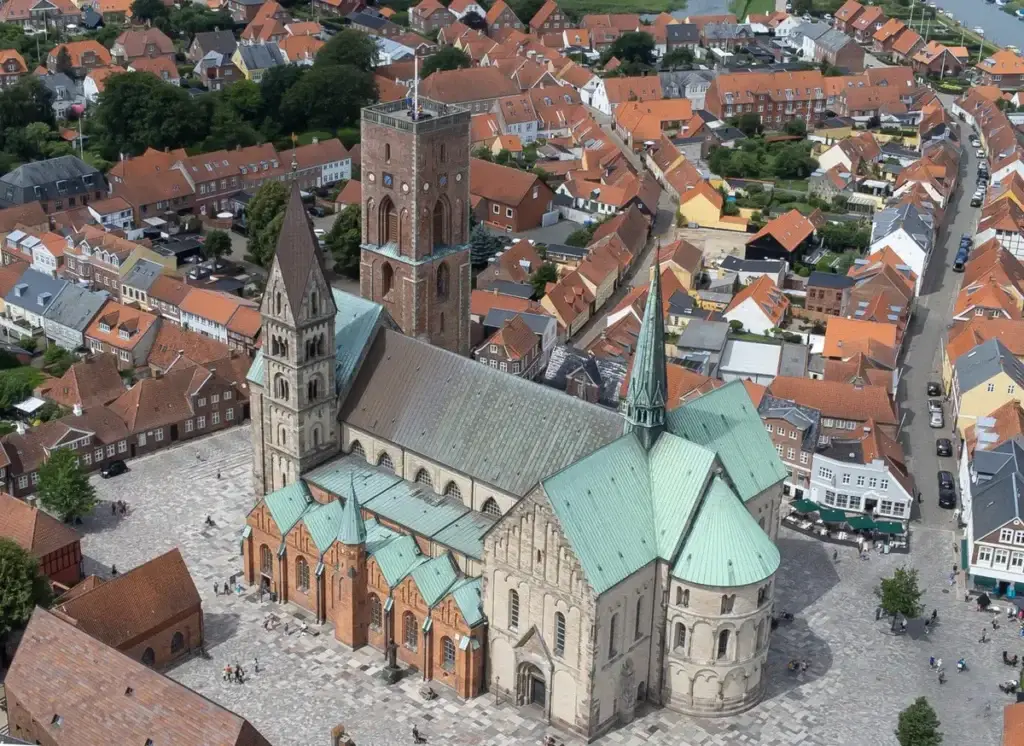
Your route now turns west toward Jutland and the historic town of Ribe.
Ribe
After arriving, you’ll spend time walking through Ribe’s old center, where narrow cobbled streets, half-timbered houses, and small public squares still reflect the town’s medieval past. Ribe is considered the oldest town in Denmark, and many of the buildings around the center date back hundreds of years.
As you move through town, you’ll pass small shops, cafés, and older merchant buildings that once played an important role in trade along Denmark’s west coast.
Ribe Cathedral
Next is a tour of Ribe Cathedral, which stands in the middle of the old town and has been one of the region’s main landmarks for centuries. Inside, you’ll see historic artwork, stone carvings, and sections connected to Denmark’s religious and royal history.
The remainder of the day is free to continue exploring Ribe at your own pace.
Overnight in Ribe.
Day 10 – Wadden Sea Coast & Højer
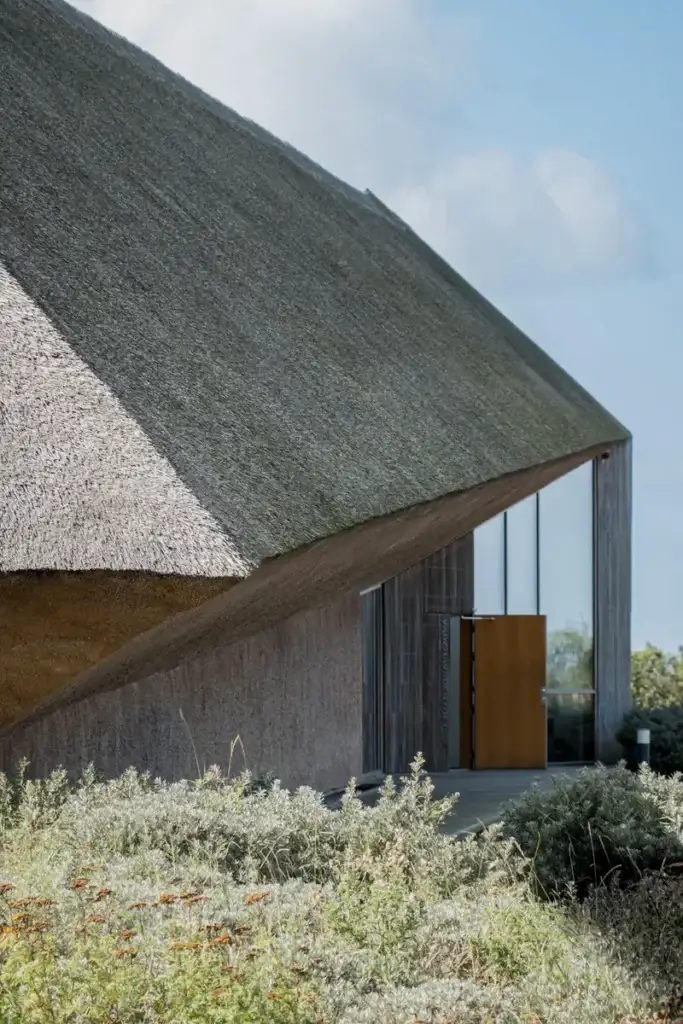
This part of the trip focuses on Denmark’s southwest coast and the landscapes surrounding the Wadden Sea.
Vadehavscentret
At the Wadden Sea Center, exhibitions explain the wildlife, tidal systems, bird migration, and coastal environment that shape this part of Denmark. The region is internationally important for birdlife and wetlands stretching across Denmark, Germany, and the Netherlands.
Højer
Later in the day, you’ll visit Højer, a small town close to the German border known for its marshland surroundings, historic mill, and quiet atmosphere.
The roads around Højer pass dikes, wetlands, grazing land, and wide open coastal scenery shaped by the tides of the Wadden Sea.
Overnight in western Jutland.
Day 11 – Lyngvig Lighthouse
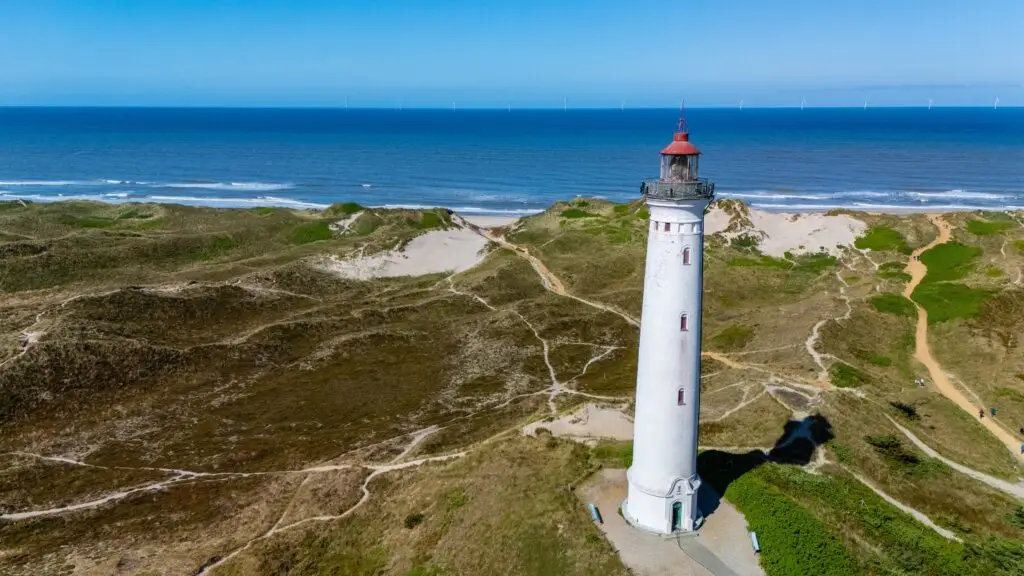
Continuing north along Denmark’s west coast, you’ll spend time around the dunes and beaches near Lyngvig Lighthouse.
Lyngvig Lighthouse
The lighthouse stands between the North Sea and Ringkøbing Fjord, surrounded by sand dunes, heathland, and long stretches of coastline. Visitors can climb the lighthouse for views across the surrounding landscape and sea.
This section of Denmark feels much more exposed to the weather and coastline compared with the calmer waters around the Danish islands farther east.
Overnight in western Denmark.
Day 12 – Guided Kayak Tour
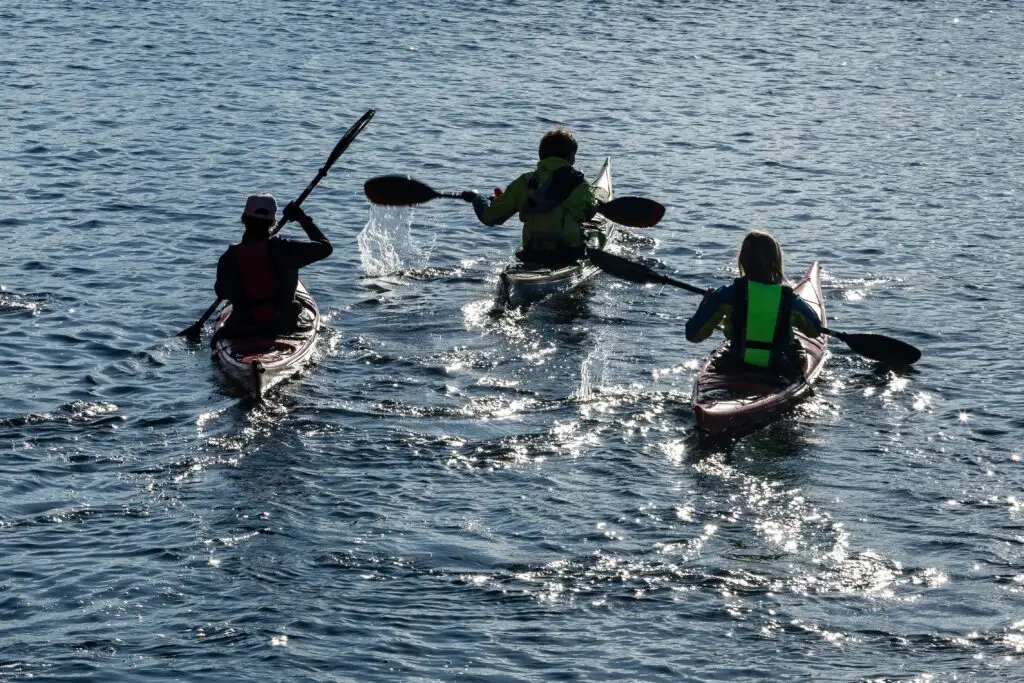
A guided kayaking experience gives you the chance to spend time directly on the water while exploring part of Denmark’s coastline or fjord systems.
Kayaking Experience
After meeting your guide and receiving equipment and safety instructions, you’ll head out onto the water for a relaxed paddle through calm coastal areas or sheltered inlets, depending on weather conditions and location.
Kayaking offers a quieter way to experience the landscape, especially along Denmark’s smaller waterways and coastal regions.
Overnight in the region.
Day 13 – Frederiksborg Castle
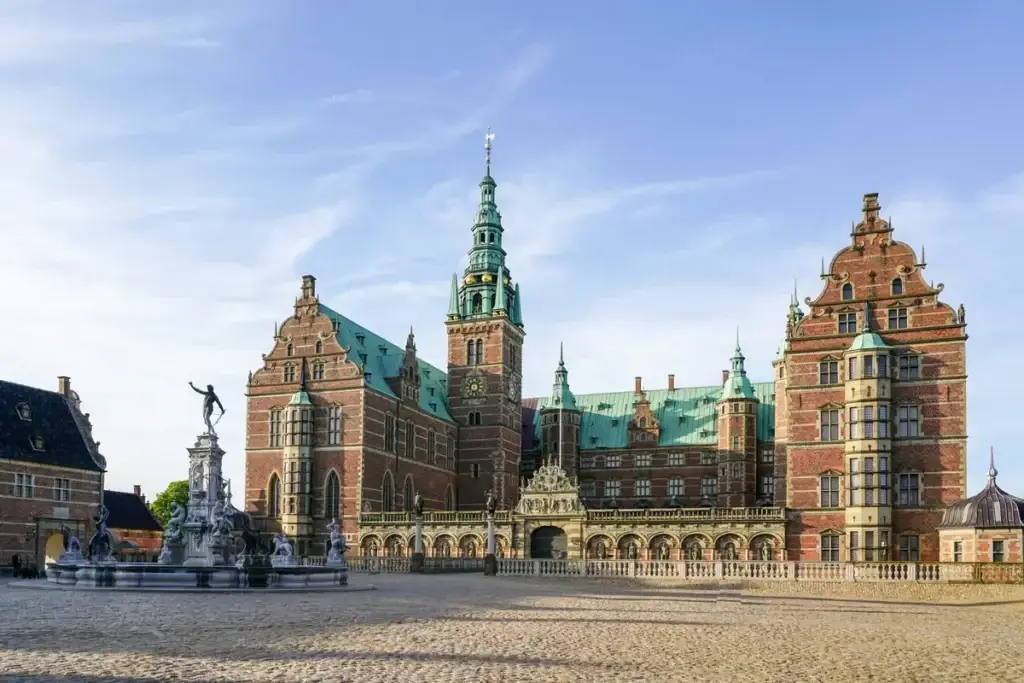
On day 13, you’ll set off on an exciting day trip to Hillerød, with the highlight being a private tour of the stunning Frederiksborg Castle.
Frederiksborg Castle
Located in the town of Hillerød, north of Copenhagen, Frederiksborg Castle is surrounded by lakes, gardens, and expansive parkland. During your visit, you’ll walk through the castle’s halls, royal rooms, and galleries while learning more about the Danish royal family and the history connected to the building. Outside, there’s also time to explore parts of the gardens and grounds around the castle before returning to Copenhagen later in the day.
The castle is considered one of the most important Renaissance buildings in Scandinavia.
Return to Copenhagen later in the day.
Overnight in Copenhagen.
Day 14 – Departure from Copenhagen
After breakfast, your private transfer will take you to the airport for your onward flight.
Your Denmark journey comes to an end after exploring coastal regions, small islands, historic towns, and nature-focused destinations across several very different parts of the country.