
Day 1: Rome: Colosseum, Roman Forum & Palatine Hill
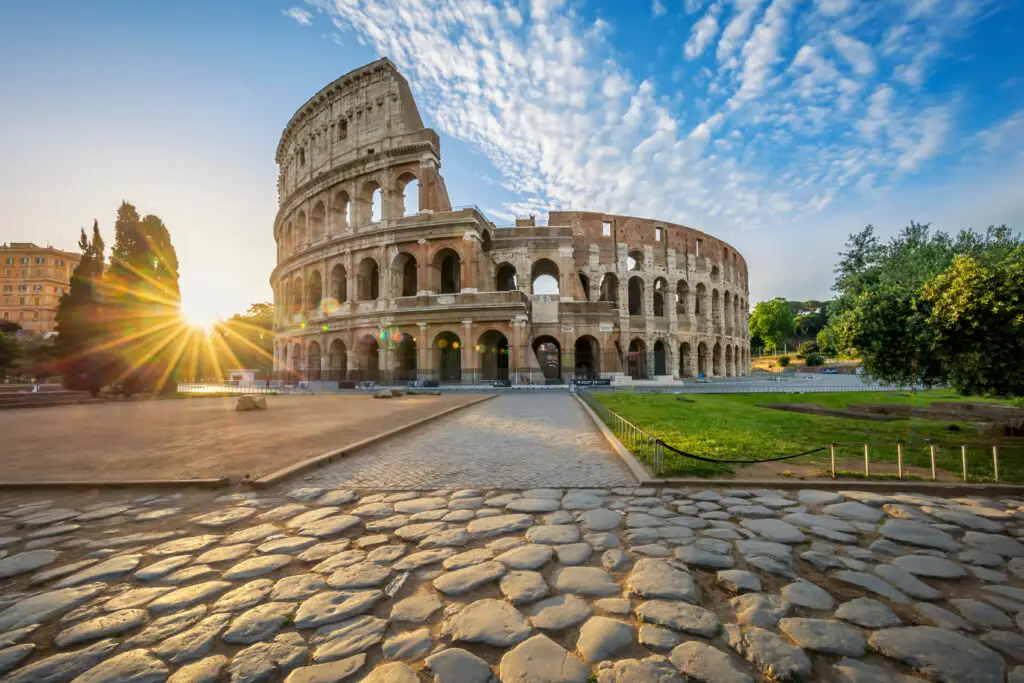
Begin your journey in Rome with a privately guided exploration of the city’s most iconic ancient sites.
With skip-the-line access, your guide will take you inside the Colosseum, explaining how the arena was constructed, how events were staged, and the role it played in Roman society. You’ll gain a clear understanding of gladiatorial games, imperial power, and the scale of public entertainment in Ancient Rome.
Continue into the Roman Forum, where you’ll walk through what was once the political and commercial center of the empire. Your guide will explain how this space functioned in daily life, from governance and trade to public ceremonies.
The experience concludes on Palatine Hill, where you’ll explore the remains of imperial residences and take in views across Rome, understanding how this area became the seat of power in the ancient world.
Overnight: Rome
Day 2: Rome: Vatican Museums, Sistine Chapel & St Peter’s Basilica
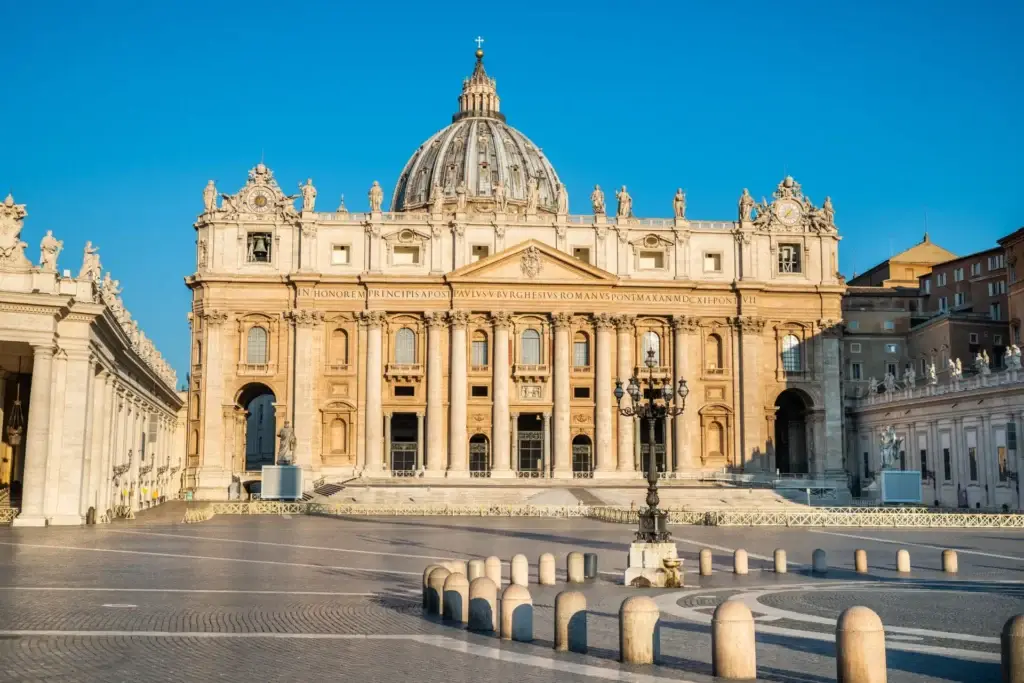
Today is dedicated to the Vatican, one of the most significant cultural and religious sites in the world.
With skip-the-line entry, your private guide will lead you through the Vatican Museums, focusing on key galleries and masterpieces while explaining the history of the Papacy and the role of art in shaping the Church’s identity.
Continue to the Sistine Chapel, where you’ll view Michelangelo’s ceiling and learn about its creation, symbolism, and restoration.
The tour concludes inside St Peter’s Basilica, where you’ll explore its interior and understand its importance as the center of the Catholic Church, along with the artistic and architectural elements that define it.
Overnight: Rome
Day 3: Rome to Florence: High-Speed Rail Journey
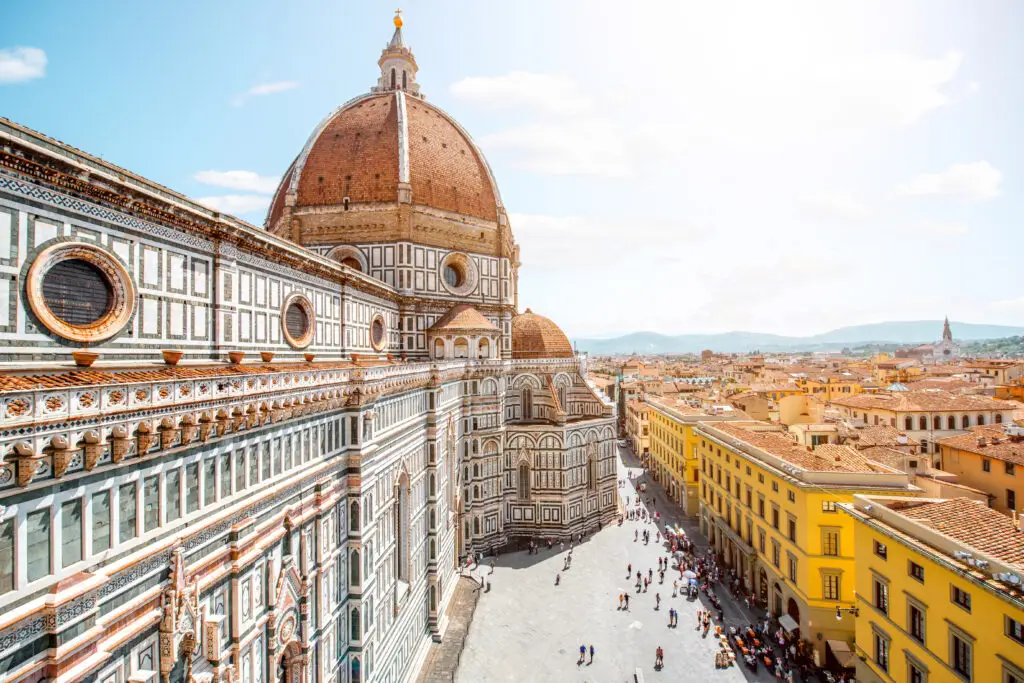
On day 3, you’ll travel from Rome to Florence by high-speed train.
The remainder of the day is at leisure, giving you time to settle in, explore nearby streets, or enjoy your first introduction to Florence’s atmosphere.
Overnight: Florence
Day 4: Florence: Accademia Gallery & Uffizi Gallery
Join your guide in Florence for a full-day experience covering the city’s most important artistic and historical sites.
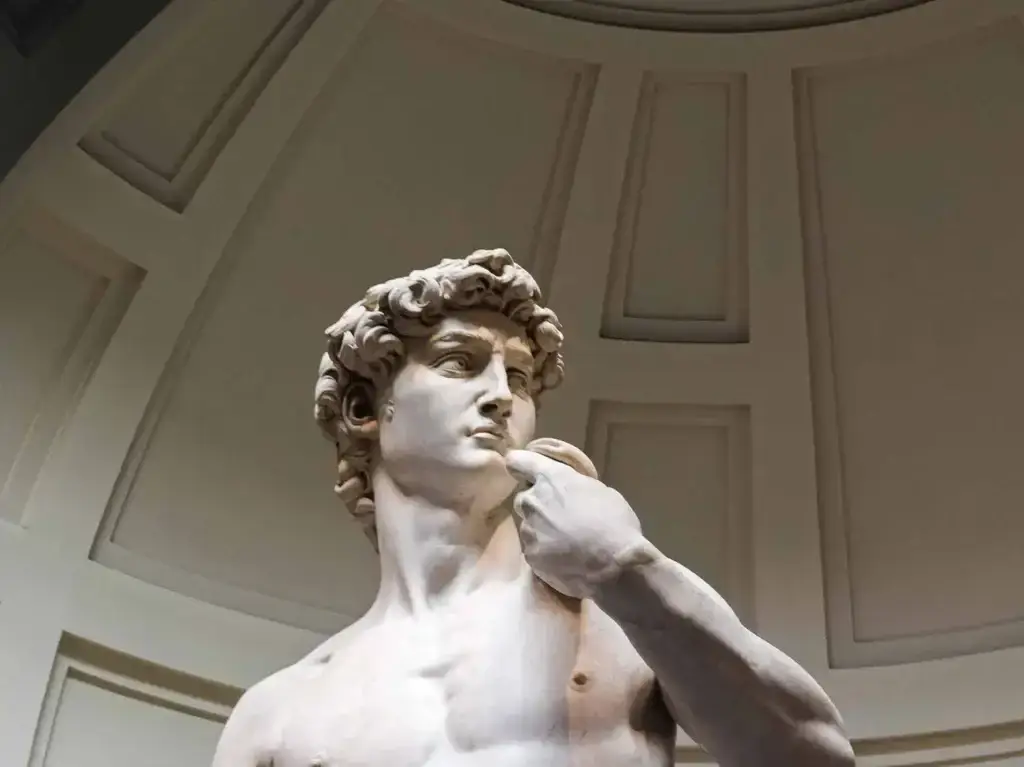
Begin at the Accademia Gallery, where you’ll see Michelangelo’s David, with your guide explaining its symbolism, craftsmanship, and significance.
Continue into the historic center, visiting landmarks such as the Duomo, Baptistry, and Piazza della Signoria, while learning how Florence became the center of Renaissance power and creativity.
At the Uffizi Gallery, your guide will take you through key masterpieces by Botticelli, Leonardo da Vinci, Michelangelo, and Raphael, explaining their techniques and the context behind their work.
Throughout the day, the walking tour connects these sites into a clear narrative of Florence’s development, combining art, architecture, and history.
Overnight: Florence
Day 5: Florence: Flexible Day or Tuscany Exploration
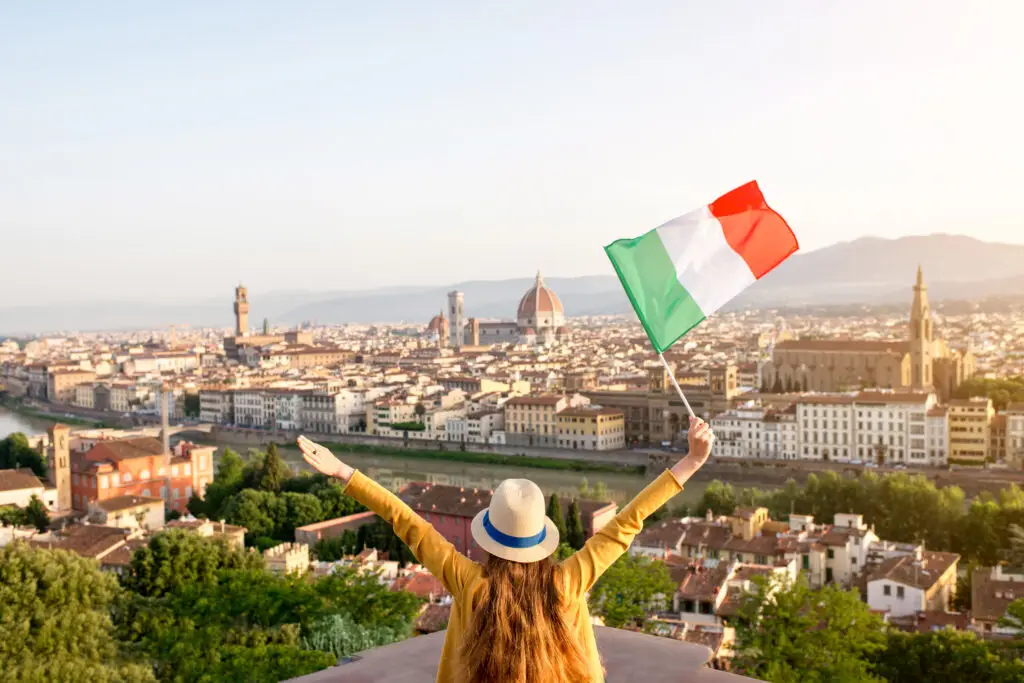
Today is left open to suit your travel style.
You may choose to spend additional time in Florence, visiting museums, exploring artisan districts, or enjoying the city at a slower pace.
Alternatively, you can opt for a day in the Tuscan countryside, where you might visit vineyards, hilltop towns, or regional food producers.
Overnight: Florence
Day 6: Florence to Milan: High-Speed Rail
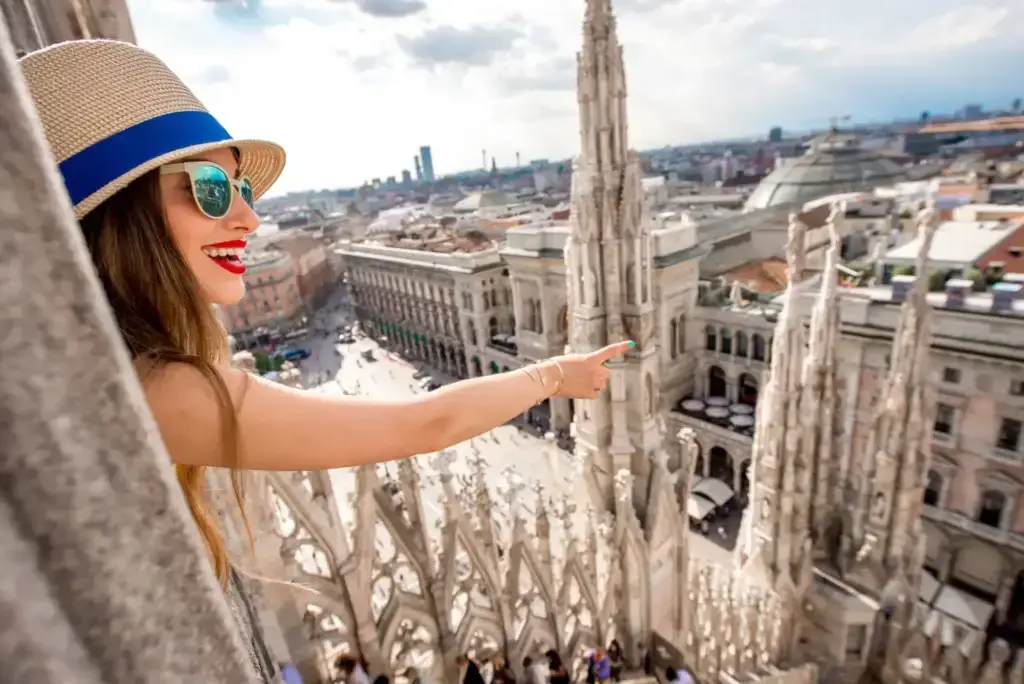
Travel north from Florence to Milan by high-speed train.
On arrival, transfer to your hotel and enjoy a relaxed introduction to the city. You may wish to explore nearby streets, visit local cafés, or simply unwind after your journey.
This evening is intentionally unstructured, allowing you to adjust to the new pace and setting.
Overnight: Milan
Day 7: Milan: City Highlights or Lake Como Experience
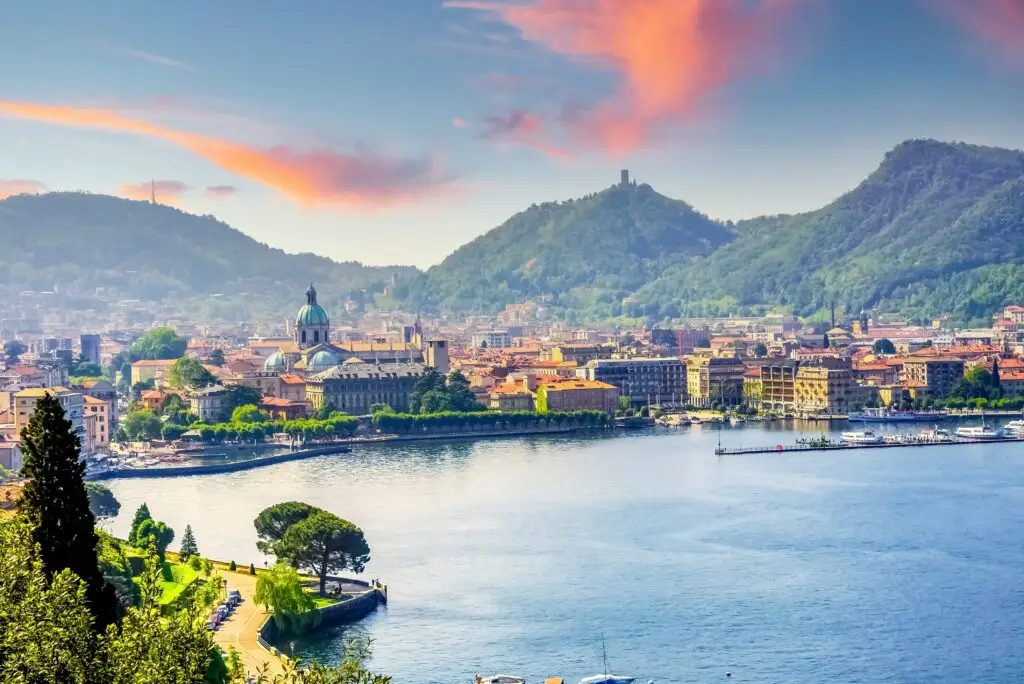
Our travel designers will consult with you to find out exactly how you would like to mark the one-week point of your grand European tour.
You may choose a guided experience in Milan, exploring key landmarks such as the Duomo, historic districts, and cultural sites, with your guide providing context on the city’s role in Italian history, fashion, and design.
Alternatively, travel to Lake Como for a full-day experience.
Here, you can visit lakeside towns such as Bellagio or Varenna, take a boat across the lake, and explore the combination of alpine scenery and historic villas that define the region.
Both options are structured to provide a full and rewarding day, tailored to your preferences.
Overnight: Milan
Day 8: Milan to Lucerne
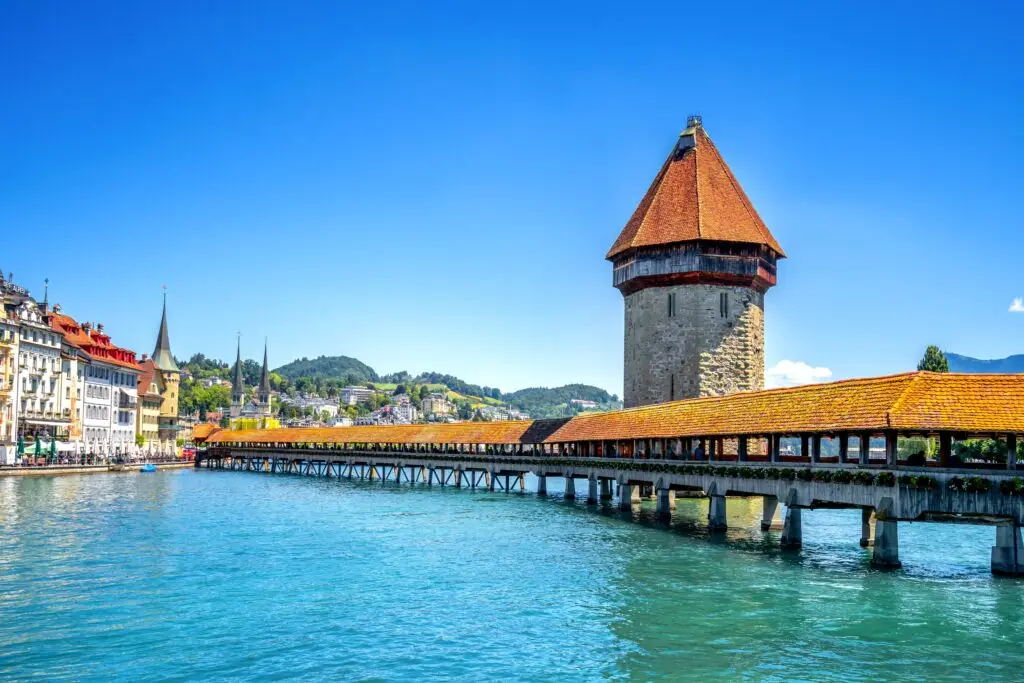
Today you’ll travel from Italy into Switzerland by rail, one of the most scenic transitions in Europe.
On arrival in Lucerne, transfer to your hotel and enjoy time at leisure to explore the town’s lakeside setting, historic bridges, and compact old town.
Overnight: Lucerne / Switzerland
Day 9: Jungfraujoch: “Top of Europe” Guided Experience
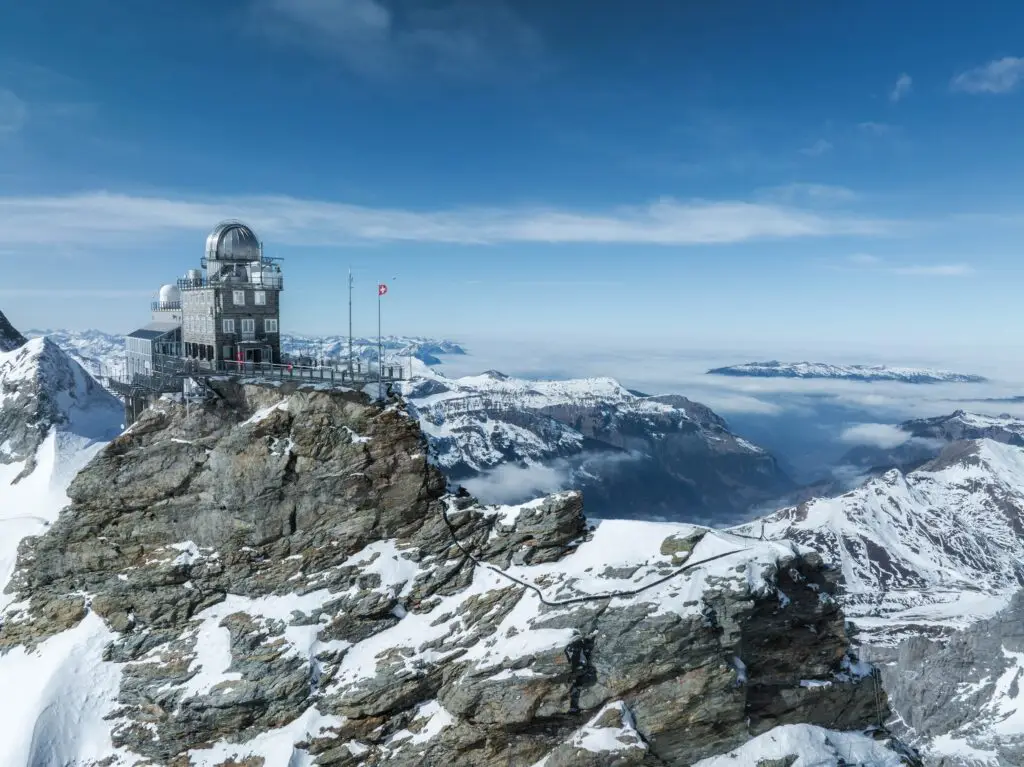
Today, travel into the heart of the Swiss Alps for a guided journey to Jungfraujoch, known as the “Top of Europe.”
Your route combines mountain railways and panoramic viewpoints as you ascend through alpine landscapes. At the summit, you’ll experience:
- The Aletsch Glacier, the longest glacier in the Alps
- The Ice Palace, carved into the glacier itself
- Observation platforms offering views across snow-covered peaks
Your guide will explain the engineering behind the railway, as well as the region’s geography, helping you understand both the landscape and how to access it.
Return to your base in the afternoon.
Overnight: Switzerland
Day 10: Matterhorn Glacier Paradise
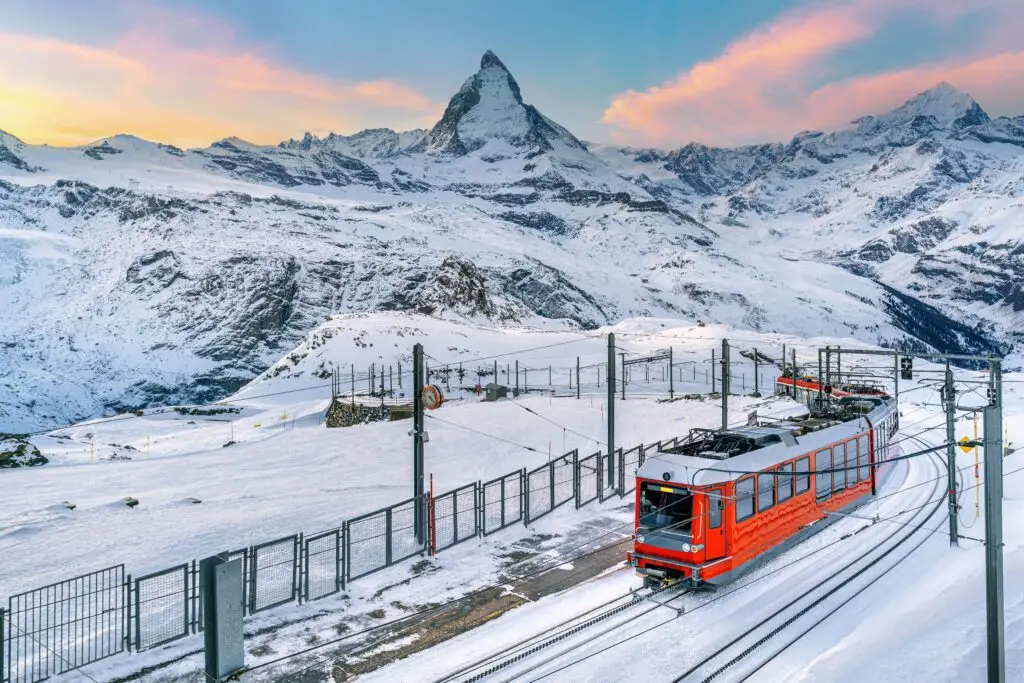
On day 10, join your private driver as you make your way to Zermatt, a car-free alpine village set beneath the Matterhorn.
From here, ascend to Matterhorn Glacier Paradise, the highest cable car station in Europe. At the top, you’ll experience panoramic views across multiple countries, along with glacier landscapes and viewing platforms.
Your time here allows you to take in the scale of the Alps, with opportunities for walking, photography, and simply experiencing the high-altitude environment.
Return to Zermatt later in the day and enjoy the village’s relaxed alpine atmosphere.
Overnight: Zermatt
Day 11: Zermatt to Chamonix: Gornergrat Railway & Alpine Transfer
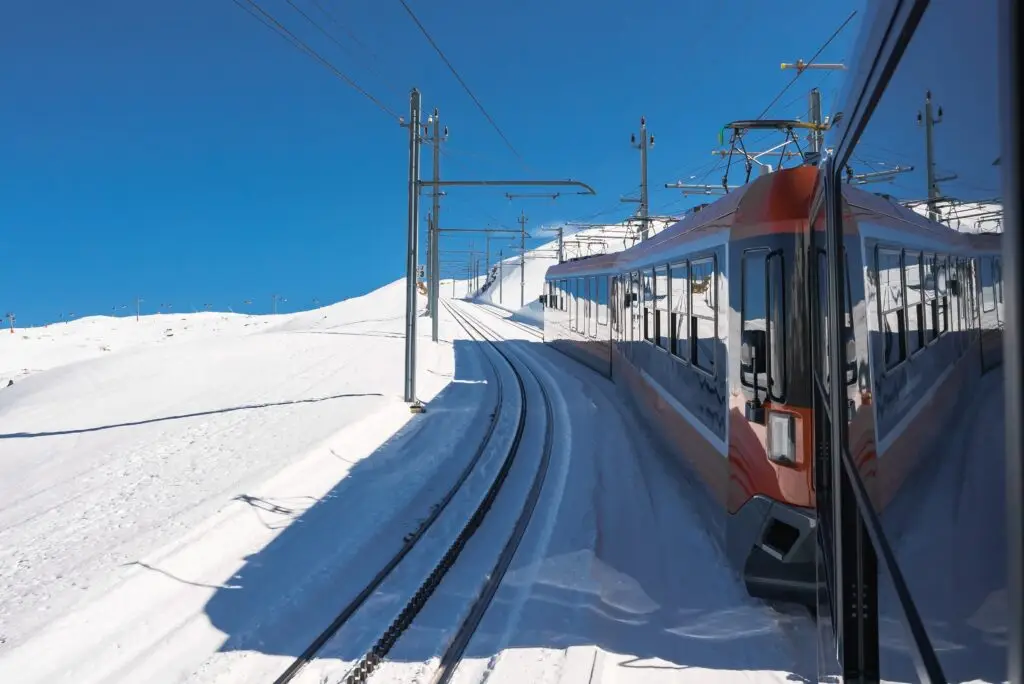
In the morning, you’ll enjoy one of Switzerland’s most scenic rail experiences aboard the Gornergrat Railway.
Departing directly from Zermatt, this cogwheel train climbs through alpine terrain to the summit of Gornergrat, where you’ll have clear views of the Matterhorn, surrounding peaks, and glaciers. Time is allocated at the top to take in the viewpoints and understand the region’s geography.
Following your descent, continue by private transfer into France, traveling through mountain landscapes toward Chamonix.
Arrive in Chamonix, one of the most renowned alpine towns in Europe, and settle into your hotel.
Overnight: Chamonix
Day 12: Chamonix Guided Tour & Transfer to Annecy
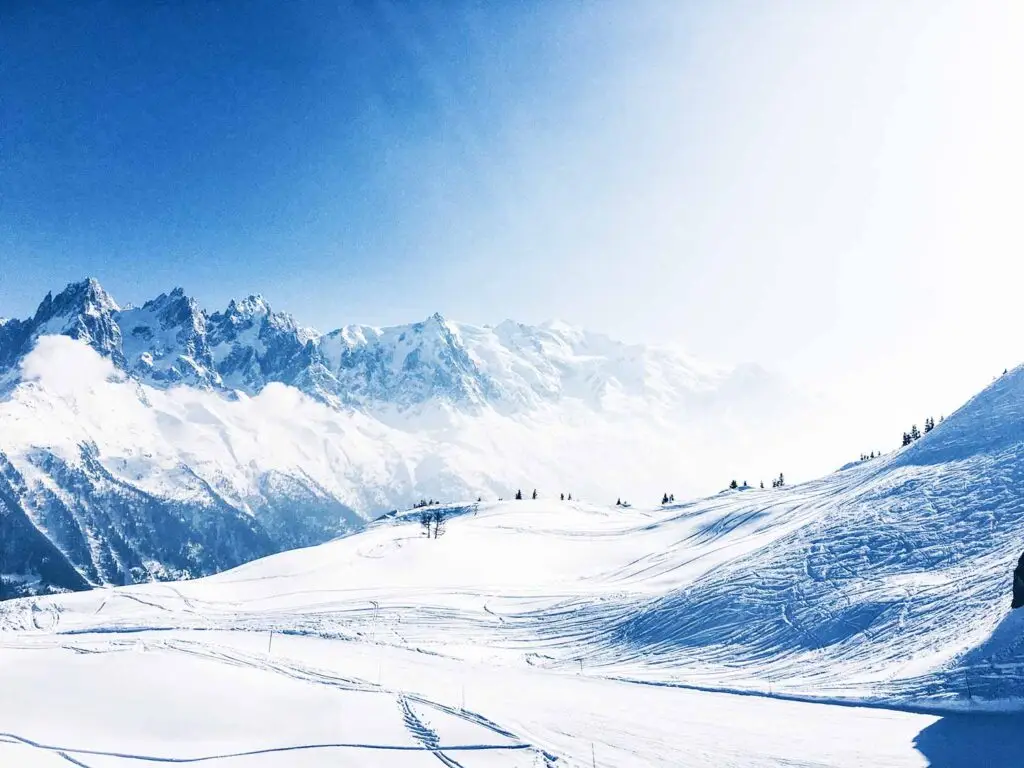
Explore Chamonix with your guide, focusing on its role as a historic mountaineering center and its setting at the base of Mont Blanc.
Your guided experience includes:
- A walk through the town center, understanding its development and alpine culture
- Views and key vantage points toward Mont Blanc, Europe’s highest peak
- Optional access to mountain lifts or viewpoints depending on conditions and preference
Following your visit, continue by private transfer to Annecy, a lakeside town known for its canals and historic architecture.
Arrive in the afternoon and enjoy time at leisure to explore the lakeside or old town.
Overnight: Annecy
Day 13: Annecy Walking Tour & Train to Paris
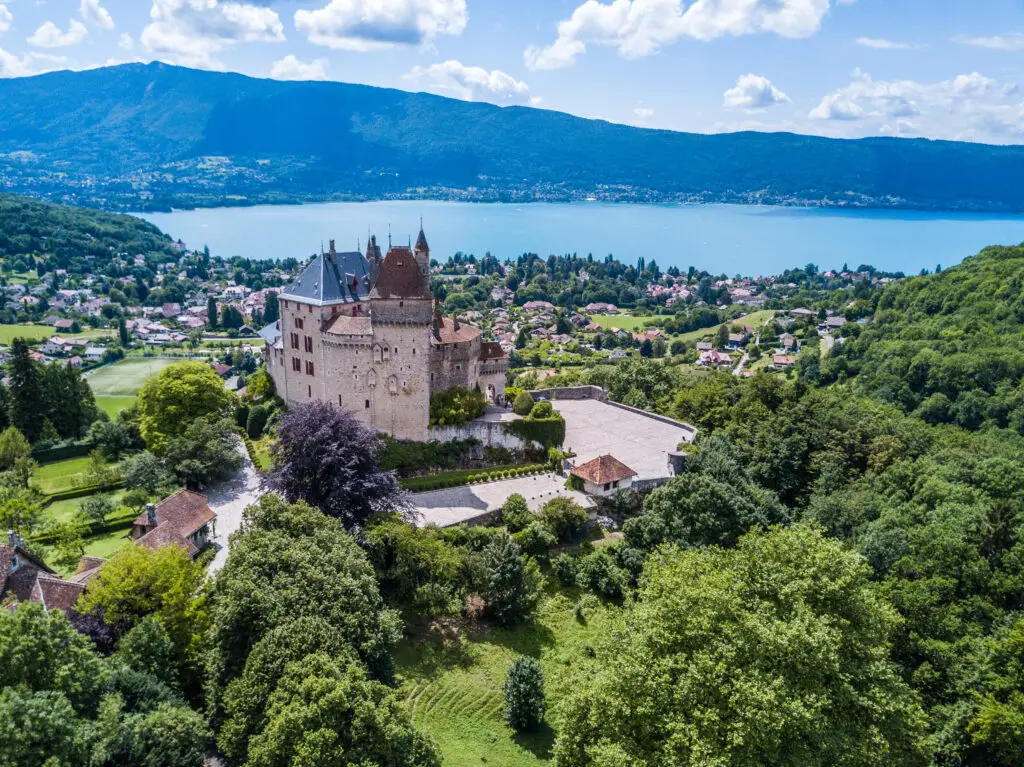
Begin the day with a guided walking tour of Annecy, often referred to as the “Venice of the Alps.”
With your guide, explore:
- The Old Town, with its canals, arcades, and pastel-coloured buildings
- The Palais de l’Isle, one of the town’s most recognizable landmarks
- The lakeside promenade, with views across Lake Annecy
Your guide will explain the town’s history, architecture, and connection to both France and the Alpine region.
Later, transfer to the station for your train journey to Paris.
On arrival, transfer to your hotel and enjoy a relaxed evening.
Overnight: Paris
Day 14: Paris: Louvre Highlights
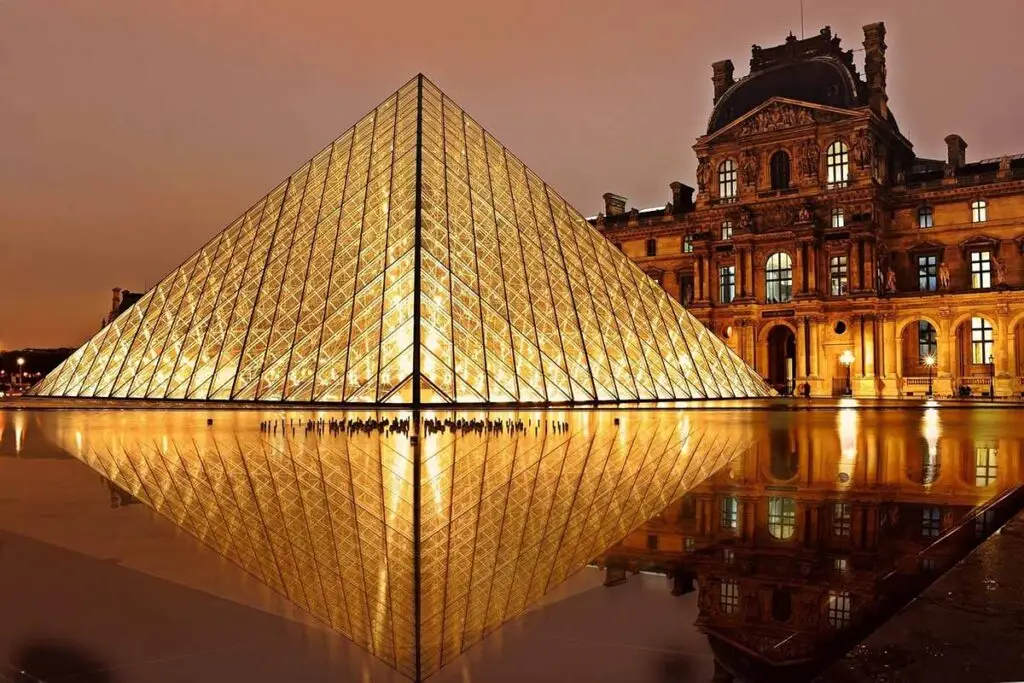
Today, begin with a privately guided visit to the Louvre Museum.
With skip-the-line entry, your guide will focus on key works within the collection, including masterpieces such as the Mona Lisa, while explaining their artistic and historical context.
The tour is structured to give a clear understanding of the museum’s significance without attempting to cover it in full.
The remainder of the day is at leisure.
In the evening, enjoy an elegant Paris experience, which may include a Seine-side walk, a curated dining recommendation, or a tailored evening activity arranged to suit your preferences.
Overnight: Paris
Day 15: Private Montmartre, Food & Hidden Paris Tour
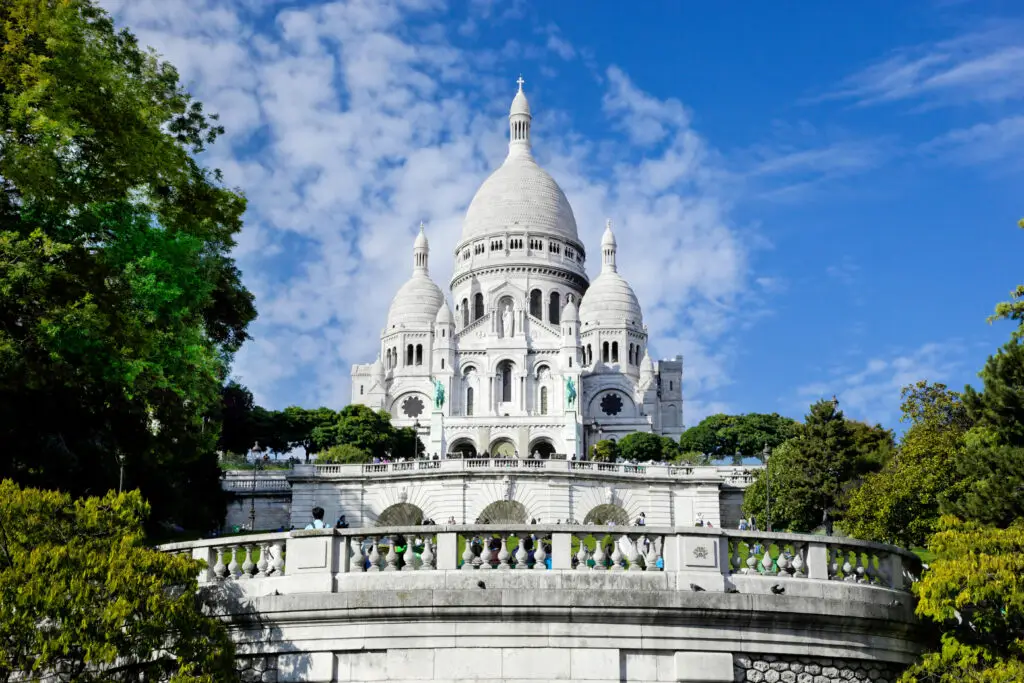
Discover a different side of Paris with a privately guided experience focused on neighborhood culture, local food, and the artistic history of the city.
Begin in Montmartre, where your guide will lead you through winding streets once home to artists such as Picasso, Van Gogh, and Toulouse-Lautrec. Explore hidden lanes, quiet squares, and local cafés while learning how this hilltop district evolved from a rural village into the creative heart of Paris.
Visit landmarks including the Sacré-Cœur Basilica, Place du Tertre, and lesser-known corners that many visitors overlook, while enjoying sweeping views across the rooftops of the city.
Throughout the day, your guide will introduce you to Parisian food culture with stops at artisan bakeries, cheese shops, pâtisseries, wine merchants, and local markets. Depending on your interests, the experience can include tastings of pastries, regional cheeses, charcuterie, chocolates, or French wines.
The afternoon continues through historic neighborhoods such as Le Marais or Saint-Germain-des-Prés, where elegant streets, literary cafés, and boutique shops offer a deeper insight into daily Parisian life beyond the major monuments.
Day 16: Day Trip from Paris: Versailles, Champagne or Giverny
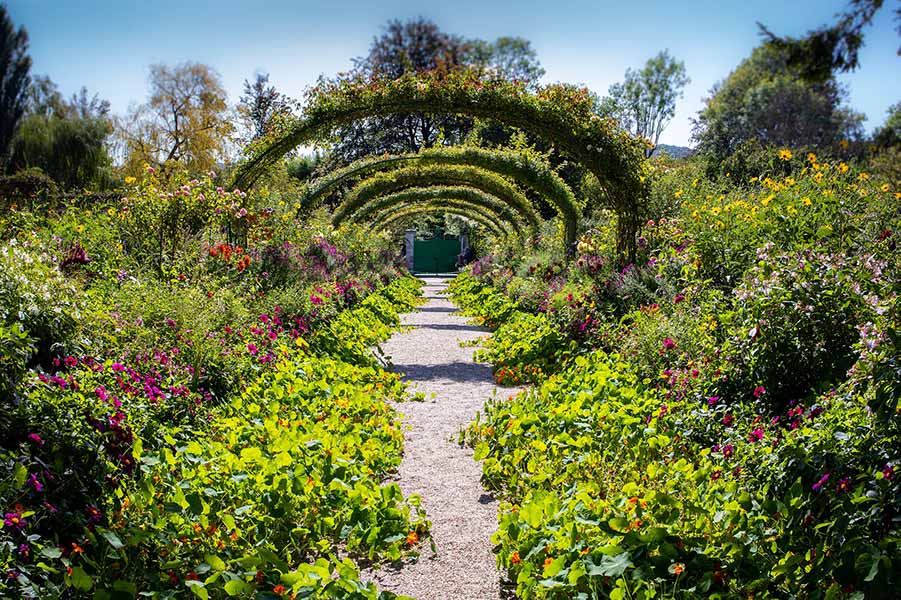
Today, travel outside Paris for a private day trip, tailored to your interests.
Options include:
- Versailles, where you’ll visit the Palace, State Apartments, and gardens while learning about royal life and court politics
- The Champagne region, with vineyard visits, cellar tours, and tastings
- Giverny, where you’ll explore Monet’s house and gardens and understand the origins of Impressionist painting
Your personal tour planner will consult with you to determine which will be just the right trip for you.
Return to Paris in the evening.
Day 17: Paris to Berlin
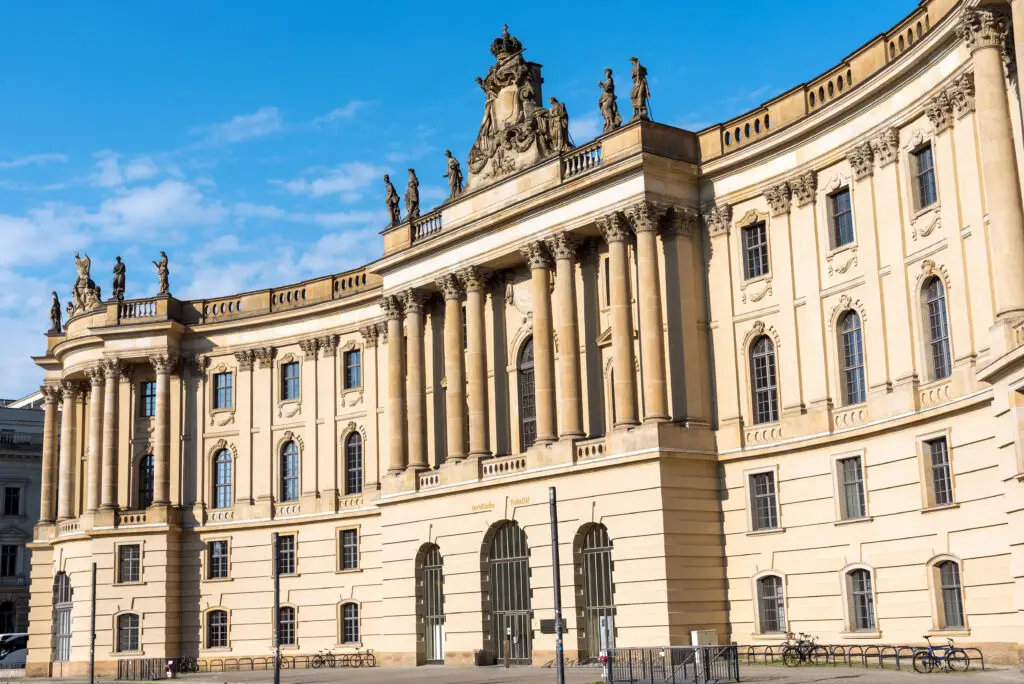
Transfer to the airport for your flight to Berlin.
On arrival, you’ll be met and transferred to your hotel in the city center.
Later, enjoy a curated afternoon or evening experience, which may include a guided introduction to nearby districts, a dining reservation, or a relaxed orientation to Berlin’s atmosphere.
This initial introduction helps you ease into the final destination of your journey.
Overnight: Berlin
Day 18: Berlin: Historical & Cultural Guided Tour
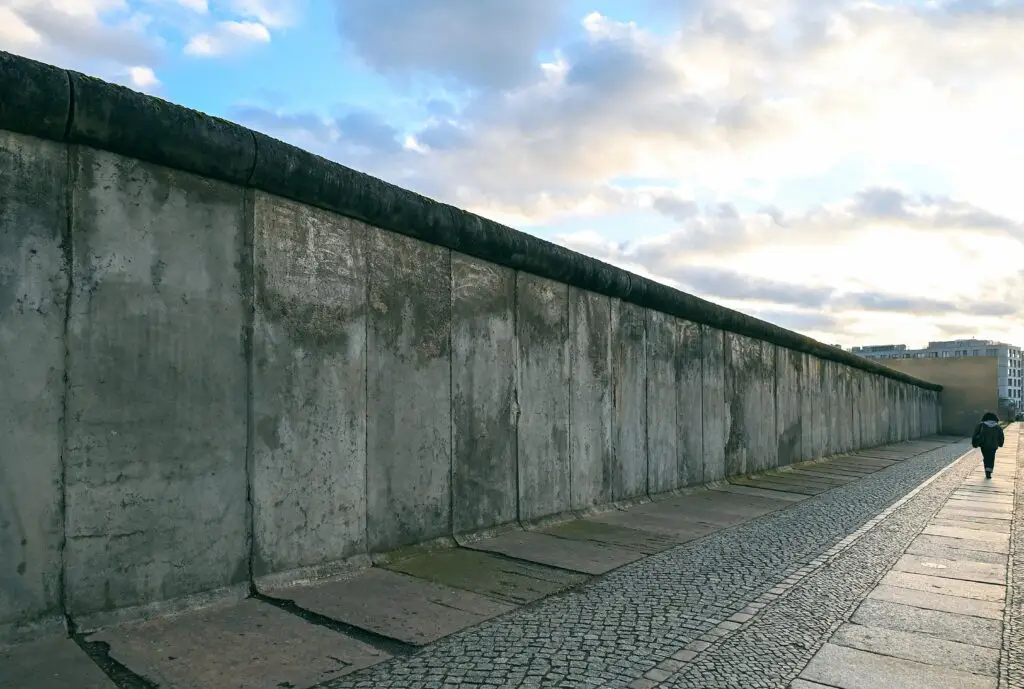
Today, explore Berlin with your private guide, focusing on the events and landmarks that shaped modern Europe.
Your guided tour includes:
- The Berlin Wall and key remaining sections of the former border
- Brandenburg Gate, symbol of reunification
- Important sites connected to WWII and the Cold War
Your guide will provide clear historical context, explaining how these locations connect to Germany’s past and present.
The experience also includes time in areas reflecting modern Berlin, where culture, design, and everyday life define the city today.
Overnight: Berlin
Day 19: Berlin or Potsdam
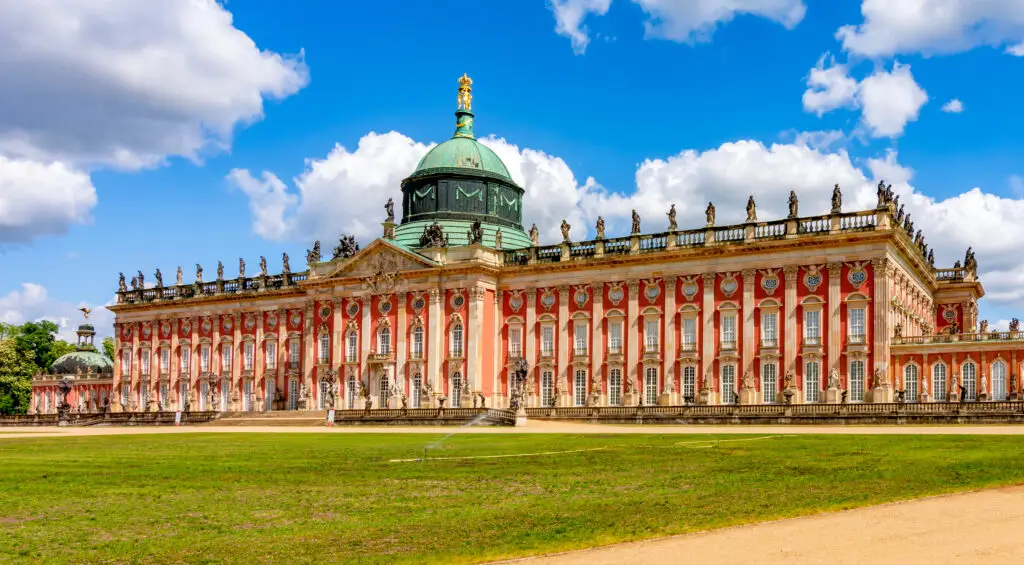
Your final full day offers flexibility based on your interests.
You may choose to remain in Berlin, enjoying additional guided experiences, museums, or time at leisure to explore the city more deeply.
Alternatively, take a private day trip to Potsdam, where you’ll visit:
- Sanssouci Palace and its gardens
- Historic royal residences and landscaped parkland
- Sites connected to Prussian history
This final day is designed to round off your journey with either cultural depth or a more relaxed pace.
Overnight: Berlin