
Day 1 – Barcelona Arrival
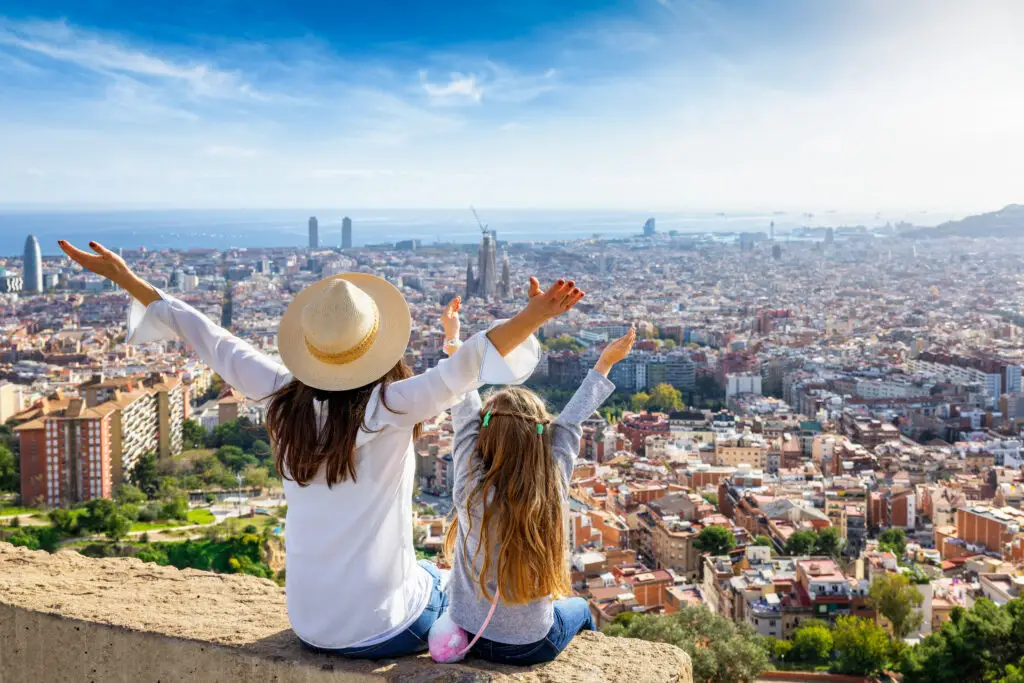
Welcome to Barcelona!
After arriving at the airport, your private driver-guide greets you and transfers you to your hotel, where you can settle in for the start of your journey through Southern Europe. Depending on your arrival time, you may wish to take a stroll through the city center, relax at a café, or head down to the waterfront.
Barcelona is one of Europe’s most distinctive cities, combining Mediterranean energy with centuries of history, remarkable architecture, and a strong local identity. The city’s wide boulevards, lively squares, and historic neighborhoods make it easy to start exploring straight away.
This first day is intentionally relaxed, giving you time to recover from your flight and prepare for the adventures ahead.
Overnight in Barcelona
Day 2 – Discover Costa Brava
On your first full day, your private driver-guide takes you north from Barcelona to the Costa Brava, one of Catalonia’s most beautiful coastal regions. This full-day tour gives you a mix of seaside villages, medieval streets, and one of the area’s most unusual art experiences. The journey is part of the day too, with small towns, countryside roads, and views that gradually shift from Barcelona’s city streets to the Mediterranean coast.
Calella de Palafrugell
Your first stop is Calella de Palafrugell, a former fishing village that still feels connected to its seafaring past. Whitewashed houses sit close to the beach, fishing boats rest along the sand, and the waterfront is lined with simple restaurants and walking paths. You can take time to wander beside the sea, look out over the rocky coves, and enjoy the relaxed feel of one of the Costa Brava’s most attractive villages.
Peratallada
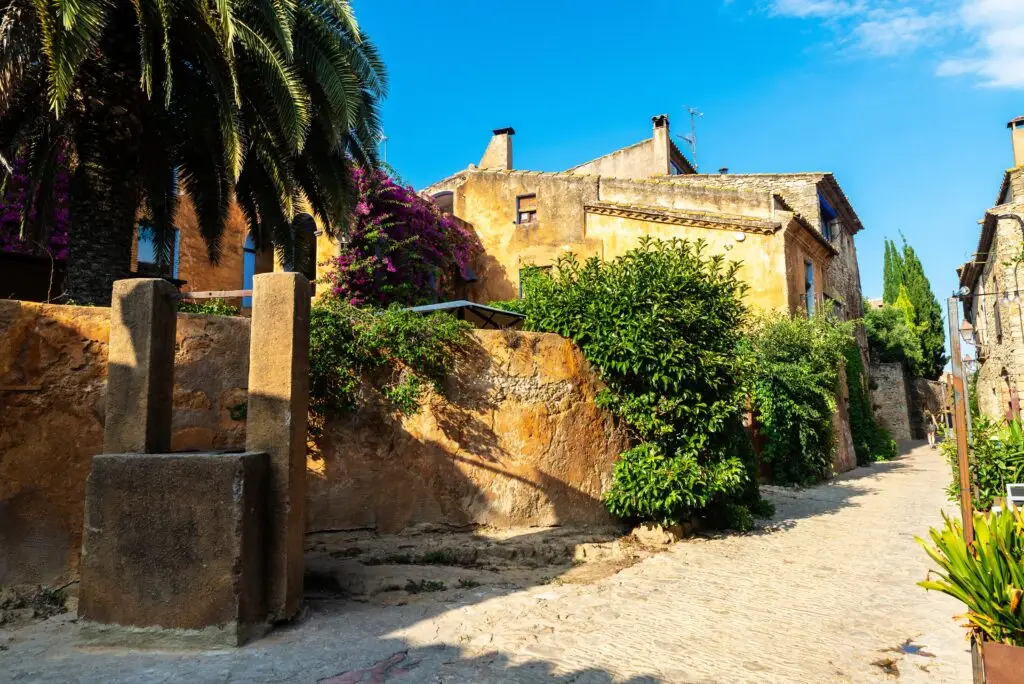
From the coast, continue inland to Peratallada, one of Catalonia’s best-preserved medieval villages. Its narrow stone streets, arches, courtyards, and old buildings make it a great place to explore on foot. The village is compact, but there is plenty to notice as you move through its quiet lanes. Your private driver-guide will help keep the day moving comfortably, with time to stop for photos, coffee, or lunch along the way.
Figueres and the Dalí Theatre-Museum
Later, visit Figueres, best known as Salvador Dalí’s hometown. The main highlight here is the Dalí Theatre-Museum, created by the artist himself inside a former theater. It is not a traditional museum experience. The building, rooms, installations, and artwork all feel part of Dalí’s imagination, with surreal details at every turn. It is a memorable way to end the day before returning to Barcelona.
Overnight in Barcelona
Day 3 – Wine Tasting Day Tour to Priorat Region
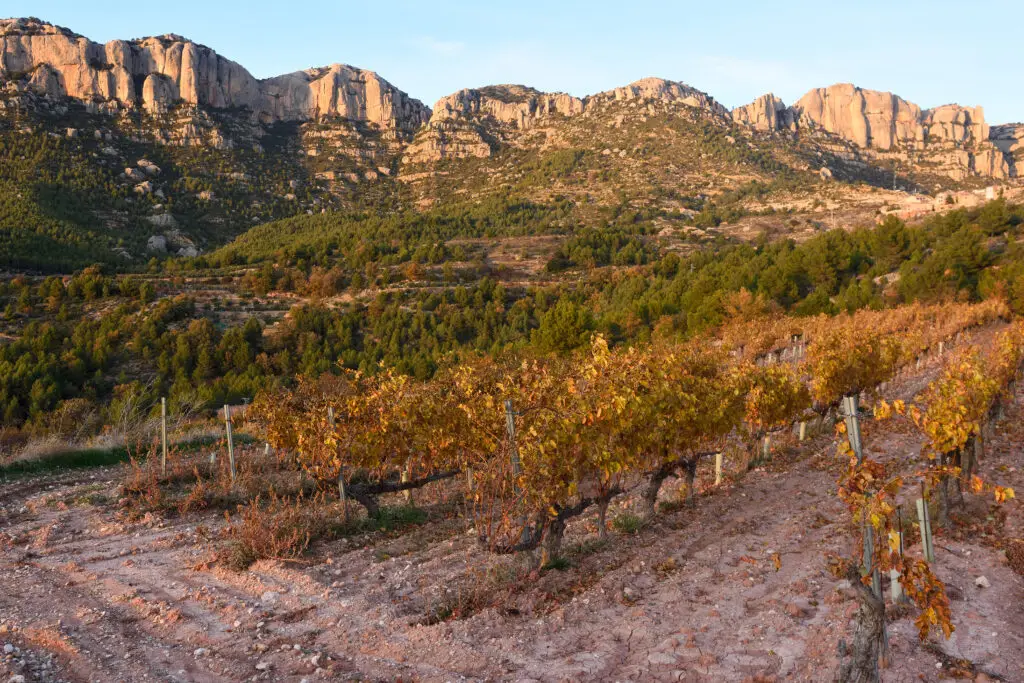
Today, travel with your private driver-guide to the Priorat wine region, one of Spain’s most respected red-wine regions. The drive from Barcelona takes you through changing countryside, with vineyards, small villages, and rugged hills giving the region a very different feel from the coast. Priorat is known for its steep vineyard terraces, distinctive soils, and powerful wines, but the day is designed to feel relaxed rather than technical.
First Winery Visit
Begin with a visit to a family-owned winery, where you can learn how the vineyard is worked and how the wines are made. Priorat’s landscape plays a major role in the character of its wines, and your visit gives you a clear sense of why this region has such a strong reputation. After seeing the vineyard and cellar, enjoy a private tasting of selected wines, with time to ask questions and learn about local grape varieties.
Priorat Landscapes and Villages
Between tastings, spend time enjoying the scenery that makes Priorat so memorable. The region is not polished or overly developed. Its charm comes from quiet roads, stone villages, terraced vines, and hills that feel far removed from the city. Your private driver-guide can adjust the day around your timing, whether you prefer a longer lunch, extra photo stops, or more time in one of the local villages.
Second Winery Visit
In the afternoon, continue to a second winery for another guided visit and tasting. This gives you a chance to compare different styles and producers within the same region. You may visit the cellar, aging rooms, or estate grounds before sampling more of Priorat’s well-known wines. After the tasting, return to Barcelona with a better understanding of one of Spain’s most distinctive wine regions.
Overnight in Barcelona
Day 4 – Time Travel to Medieval Girona & Besalú
Today’s tour focuses on two of Catalonia’s most impressive historic destinations: Girona and Besalú. With your private driver-guide handling the travel, you can enjoy the day without worrying about train times, parking, or local logistics. The route takes you north from Barcelona into a part of Catalonia known for medieval towns, old stone streets, Roman history, and well-preserved Jewish heritage.
Girona Old Town
Begin in Girona, a city with Roman roots and one of the most atmospheric old towns in Catalonia. The historic center sits above the Onyar River, with colorful houses lining the riverbanks and narrow streets climbing toward the cathedral. As you explore on foot, you will see stone stairways, old city walls, hidden courtyards, and corners that still feel shaped by centuries of history.
Girona Cathedral and Jewish Quarter
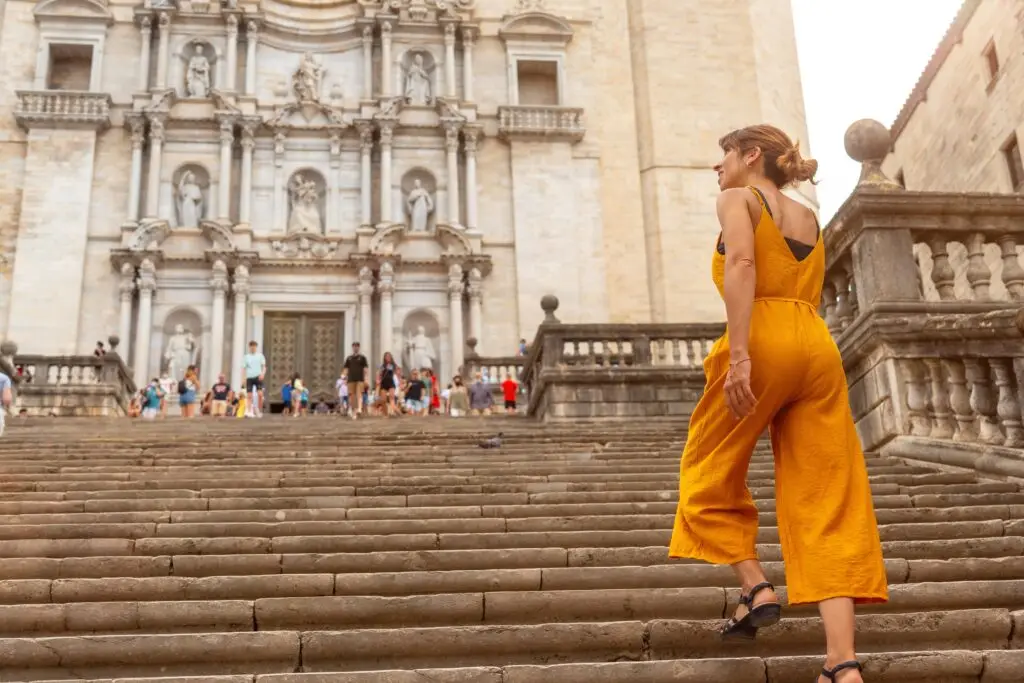
Girona’s cathedral is one of the city’s major landmarks, standing high above the old town with a wide staircase leading to its entrance. Around it, the Jewish Quarter is a maze of narrow lanes and stone passages. This area was once home to one of the most important Jewish communities in medieval Spain. Your guide will explain the history clearly as you move through streets that still preserve much of their original character.
Besalú
Later, continue to Besalú, a smaller medieval town known for its striking Romanesque bridge. Crossing the bridge into the old center is one of the best moments of the day. Inside the town, you can explore quiet streets, small squares, stone houses, and remains connected to Besalú’s Jewish history, including the mikveh. It is a compact place, but it leaves a strong impression before you return to Barcelona.
Overnight in Barcelona
Day 5 – Gaudí Private Tour of Barcelona Including Sagrada Família & Park Güell
Sagrada Família
Start with the Sagrada Família, Gaudí’s unfinished basilica and Barcelona’s most famous landmark. From the outside, the façades are filled with detailed carvings, towers, and religious symbolism. Inside, the space feels completely different, with tall columns, colored light, and forms inspired by nature. Your guide will explain how Gaudí approached the design and why the basilica remains one of the most important architectural projects in Europe.
Park Güell
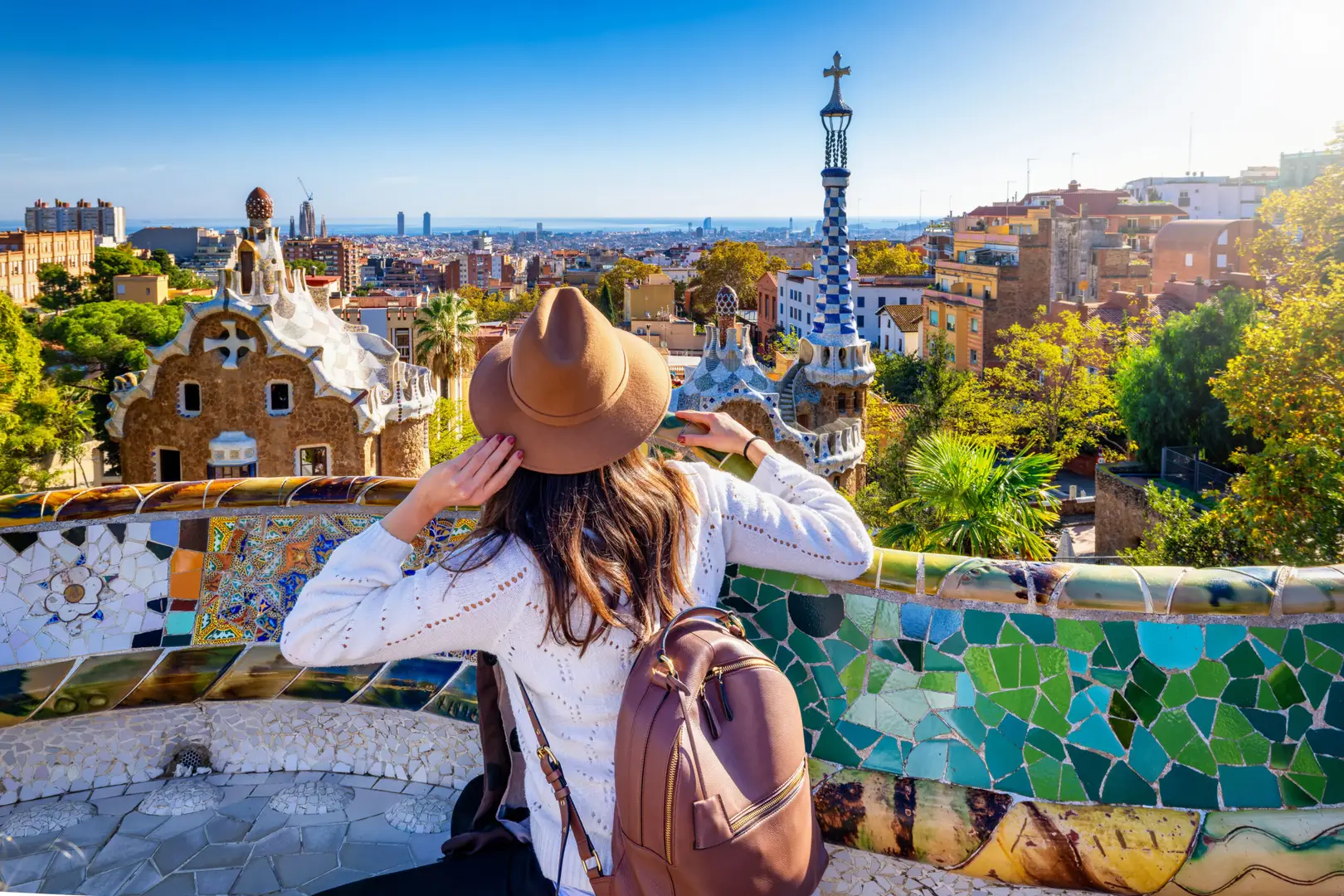
Continue to Park Güell, where Gaudí’s imagination is seen in a more playful setting. The park includes colorful mosaics, curved stone structures, terraces, and wide views across Barcelona. Originally planned as a residential garden project, it later became one of the city’s most visited public spaces. You will have time to walk through the main areas while your guide points out details you might miss on a self-guided visit.
Passeig de Gràcia, Casa Batlló and Casa Milà
Your tour also takes in Passeig de Gràcia, one of Barcelona’s grandest avenues. Here you will see the exteriors of Casa Batlló and Casa Milà, also known as La Pedrera. Both buildings show Gaudí’s ability to turn ordinary city architecture into something unusual and memorable. Their curved façades, balconies, rooftops, and decorative details help explain why Barcelona became so closely linked with Modernisme.
Overnight in Barcelona
Day 6 – Barcelona Tapas, Taverns, and Gothic Quarter History Tour
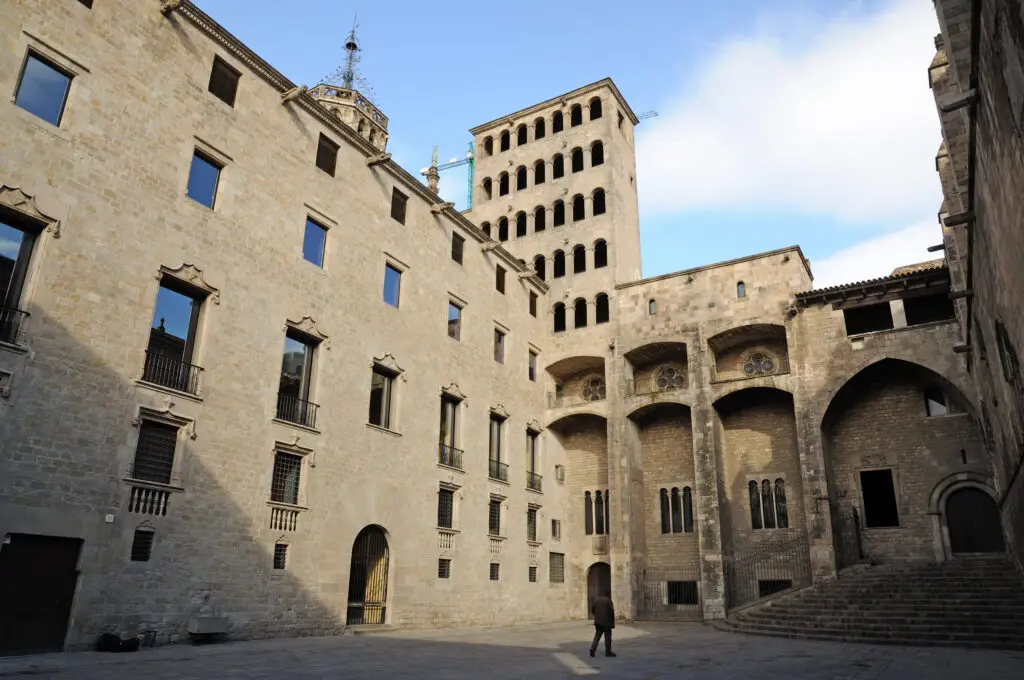
Today, explore Barcelona’s Gothic Quarter, one of the oldest and most interesting parts of the city.
Gothic Quarter Walking Tour
Begin with a guided walk through the Gothic Quarter, known locally as the Barri Gòtic. This area is full of narrow streets, small squares, old stone buildings, and traces of Roman and medieval Barcelona. As you walk, your guide will explain how the city developed over time and help you understand what you are seeing, from ancient walls to hidden courtyards and historic churches.
Barcelona Cathedral
One of the main stops is Barcelona Cathedral, a major example of Catalan Gothic architecture. Its exterior is detailed and impressive, while the interior has chapels, a cloister, and a calm atmosphere that contrasts with the busy streets outside. The cathedral is closely tied to the city’s religious and civic history, and your guide will give you the context needed to appreciate it properly.
Tapas and Local Taverns
After the history-focused part of the tour, continue into a tapas experience through the Gothic Quarter. This area can be touristy, but there are still excellent small restaurants and taverns if you know where to go. You will visit selected local spots and try a range of Catalan and Spanish dishes, turning the evening into both a meal and a relaxed introduction to Barcelona’s food culture.
Overnight in Barcelona
Day 7 – Barcelona to Montpellier
Leave Spain behind this morning as you board a high-speed train bound for Montpellier. The journey takes you along the Mediterranean coast before crossing into southern France. Compared to the larger cities that often dominate travel itineraries, Montpellier offers a different experience. It is youthful, walkable, and known for its food culture, attractive squares, and lively atmosphere.
After arriving and settling into your hotel, head out with a local guide to discover the city’s culinary side.
Place de la Comédie
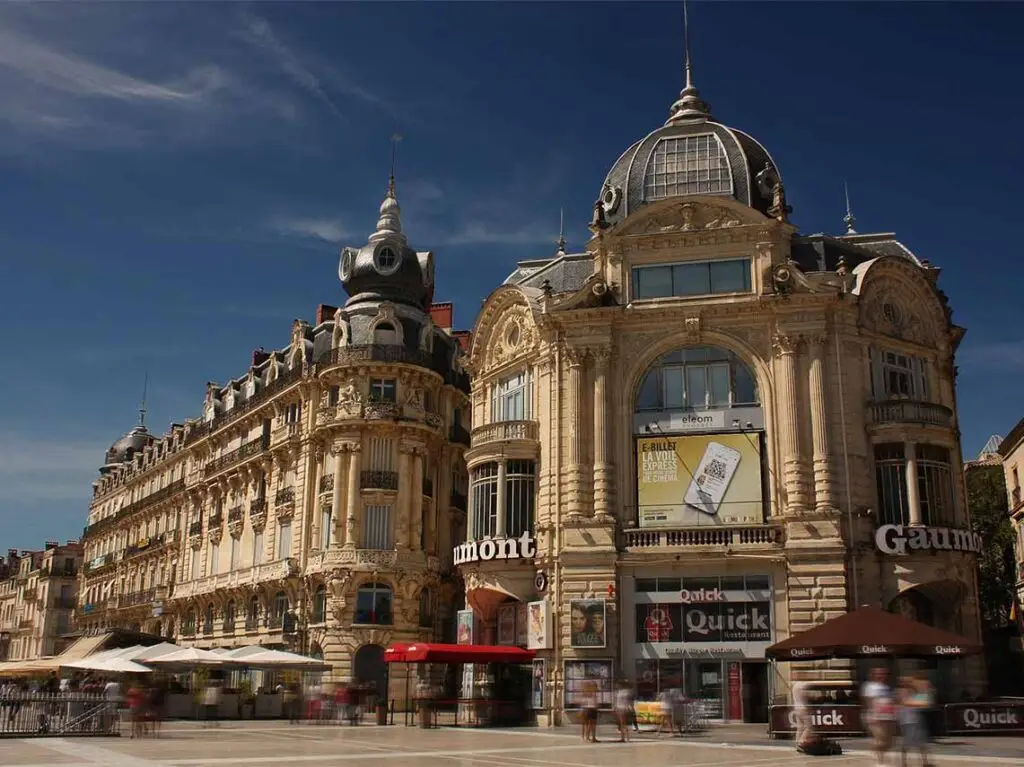
Begin in Place de la Comédie, the heart of Montpellier and one of the largest pedestrian squares in Europe. Surrounded by cafés, elegant buildings, and the city’s opera house, it serves as a natural gathering place for locals and visitors alike. It is the perfect introduction to a city that feels both historic and modern at the same time.
Montpellier Gourmet Food Tour
As you walk through the historic center, you’ll stop at markets, specialty food shops, and local producers to sample some of the region’s best-known flavors. Tastings may include regional cheeses, seafood brought in from nearby Sète, traditional fougasse bread, olive oils, tapenade, pastries, and locally produced chocolates.
Languedoc Wines and Historic Streets
Food and wine are closely connected in this part of France, so no gourmet tour would be complete without tasting wines from the surrounding Languedoc region. Between tastings, you’ll explore medieval streets, hidden courtyards, and attractive squares that many visitors overlook. The combination of local food and city history makes for an enjoyable introduction to southern France.
Overnight in Montpellier
Day 8 – Carcassonne Walking Tour & Wine Tour
On day 8, your private tour takes you to Carcassonne, one of the most famous fortified cities in Europe. The medieval citadel rises above the surrounding countryside with towers, walls, and stone buildings that look much as they did centuries ago.
La Cité de Carcassonne
Spend the morning exploring the UNESCO-listed Cité de Carcassonne with your guide. Surrounded by more than three kilometers of defensive walls and dozens of towers, the fortified city has a history stretching back over two thousand years. Walking through its narrow streets, small squares, and stone passageways feels like stepping into another era.
Medieval Streets and Historic Landmarks
Beyond the walls themselves, Carcassonne offers plenty of interesting details. Churches, defensive gates, bridges, and old houses reveal how important this settlement once was. Your guide will help bring the city’s history to life while allowing time to explore independently and enjoy lunch within the old town.
Winery Visits and Tastings
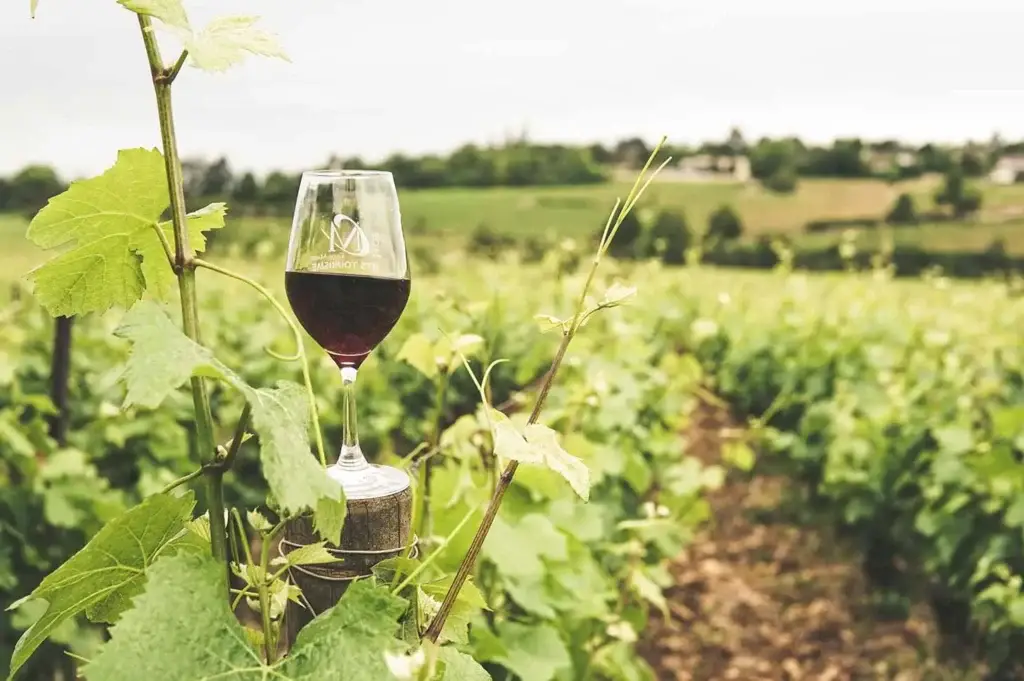
In the afternoon, leave the medieval city behind and head into the surrounding wine country. You’ll visit two wineries where local winemakers explain their production methods and the traditions of the region. Tastings provide the opportunity to compare different styles while learning about the vineyards that have shaped this area for generations.
After the day’s touring, continue onward to Avignon.
Overnight in Avignon
Day 9 – Avignon Full Day Tour
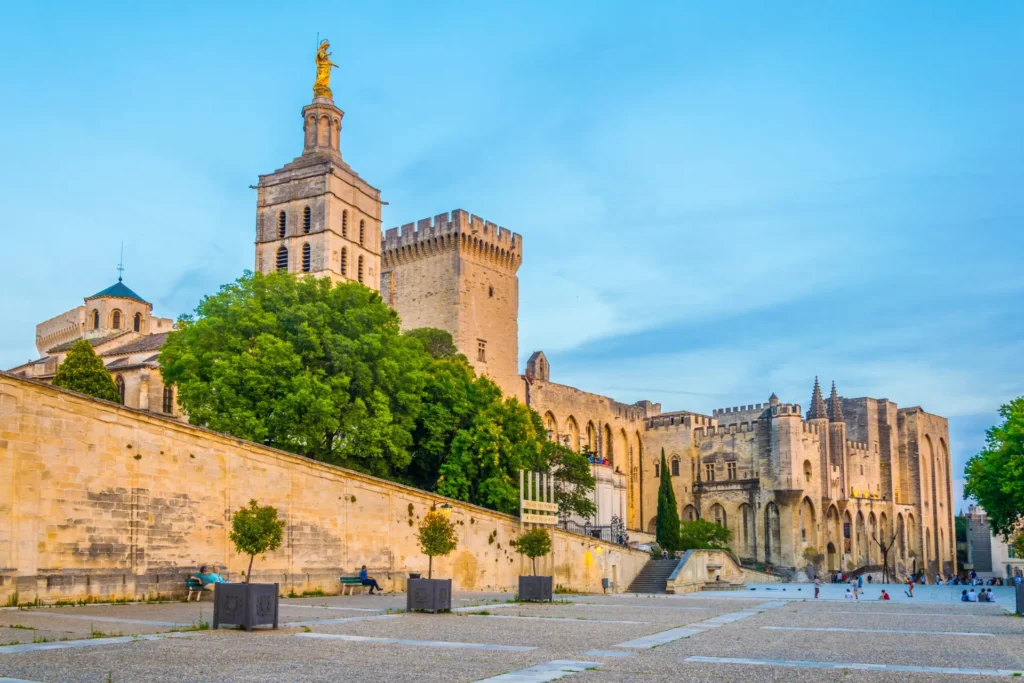
Explore Avignon on day 9, one of Provence’s most important historic cities. Best known for its connection to the Papacy during the 14th century, Avignon combines grand monuments with pleasant streets, lively squares, and a relaxed atmosphere that makes it easy to explore on foot.
Palais des Papes
The Palais des Papes is the centerpiece of Avignon and one of the largest Gothic buildings in Europe. Once home to the Popes during a turbulent period in church history, the palace dominates the city skyline. As you move through its halls, chapels, and chambers, you’ll gain an understanding of the political and religious influence that Avignon once held.
Pont Saint-Bénézet
Often called the Pont d’Avignon, this famous bridge stretches partially across the Rhône River and has become one of France’s best-known landmarks. While only a portion of the original bridge survives today, it remains closely connected to the city’s identity and offers excellent views of the river and surrounding countryside.
Avignon Old Town
The rest of the day is spent exploring Avignon’s attractive historic center. Walk through Place de l’Horloge, see the Church of Saint Agricole, browse local shops, and enjoy the cafés that fill the city’s squares. The compact nature of the old town makes it ideal for a relaxed day of sightseeing.
Overnight in Avignon
Day 10 – Valensole Plateau Lavender Fields
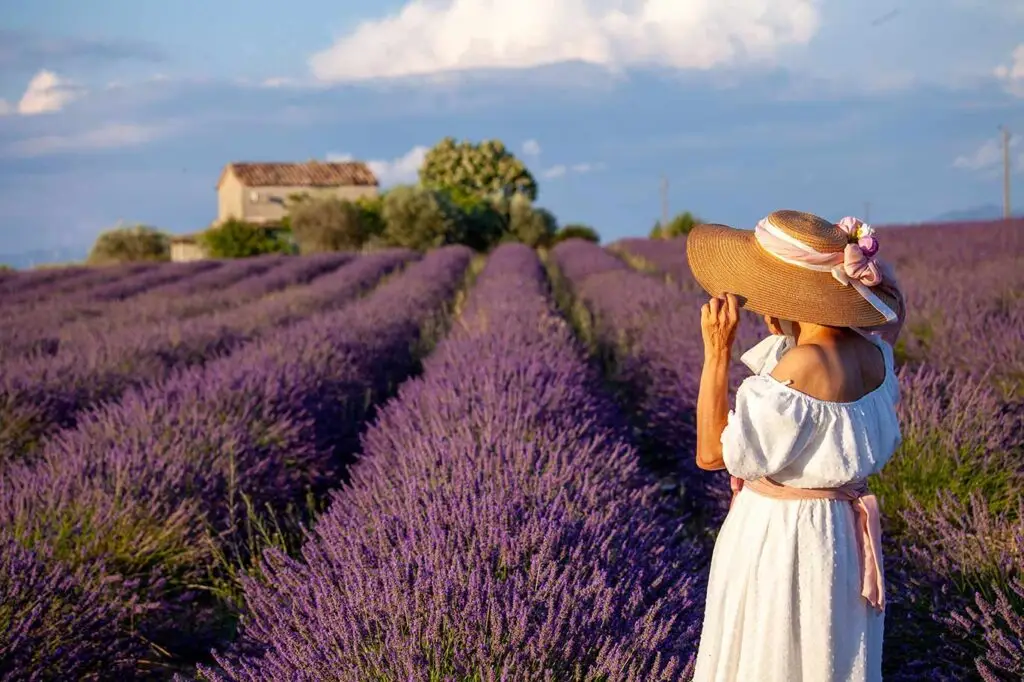
Today, travel deeper into Provence to visit one of the region’s most famous landscapes. During the flowering season, the Valensole Plateau becomes covered with rows of lavender stretching across the countryside.
Valensole Plateau
The plateau itself is vast, with fields extending in every direction. Depending on the season, you may see lavender, sunflowers, or other agricultural crops, but during peak bloom the lavender fields are undoubtedly the main attraction. There will be plenty of opportunities to stop, walk among the fields, and take photographs.
Provençal Countryside
Part of the appeal of this day comes from the journey through rural Provence. Small villages, local farms, winding roads, and open landscapes provide a very different experience from the cities visited earlier in the trip. Your driver-guide can make occasional stops along the way, allowing you to enjoy the region at a comfortable pace.
Moustiers-Sainte-Marie
If time allows, visit Moustiers-Sainte-Marie, often considered one of the most beautiful villages in France. Set beneath dramatic cliffs, the village is known for its narrow streets, stone houses, and long tradition of ceramic production. It is an excellent place to enjoy lunch or simply wander before continuing through Provence.
Overnight in Provence
Day 11 – Verdon Gorge
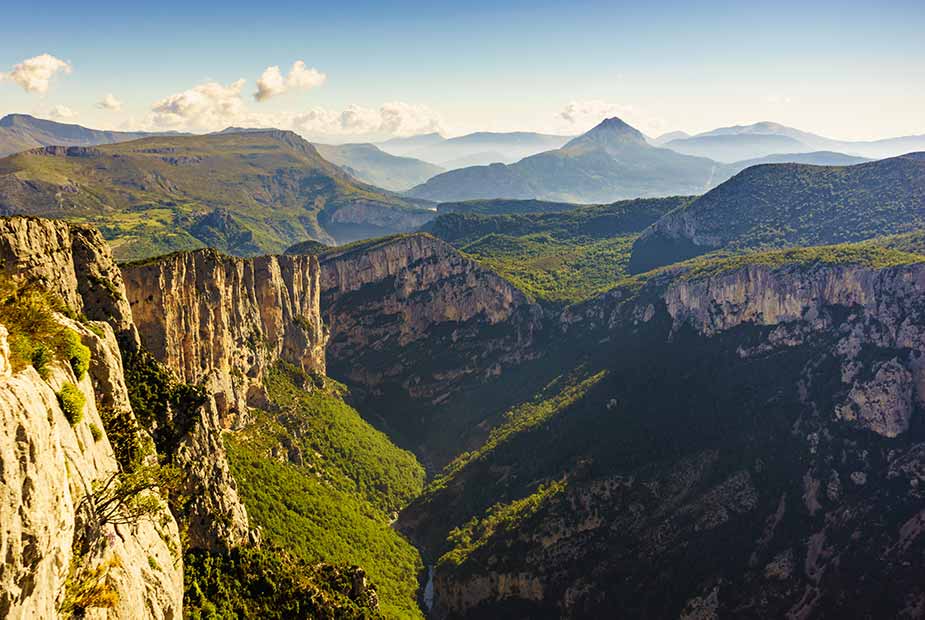
Day 11 is special as you visit one of the most impressive natural landscapes in France. The Verdon Gorge cuts through limestone cliffs and creates a dramatic canyon that stretches for miles through the countryside. Combined with the turquoise waters below, it offers scenery unlike anywhere else on the itinerary.
Gorges du Verdon
Spend time exploring viewpoints overlooking the canyon. The cliffs rise hundreds of feet above the river, creating dramatic panoramas in every direction. The winding roads around the gorge provide frequent opportunities to stop and take in the views.
Lac de Sainte-Croix
At the western end of the gorge lies Lac de Sainte-Croix, a beautiful lake known for its striking blue-green water. The lake provides a different perspective on the landscape and is one of the most photographed locations in Provence. Depending on timing, there may be opportunities to walk along the shoreline or simply relax and enjoy the surroundings.
Scenic Provence
The journey between viewpoints is part of the experience. Small villages, mountain roads, and open countryside make this one of the most scenic touring days of the entire trip. Your driver-guide will ensure the day remains flexible, allowing time for spontaneous stops whenever a particularly good view appears.
Overnight in Provence
Day 12 – Provence to Paris
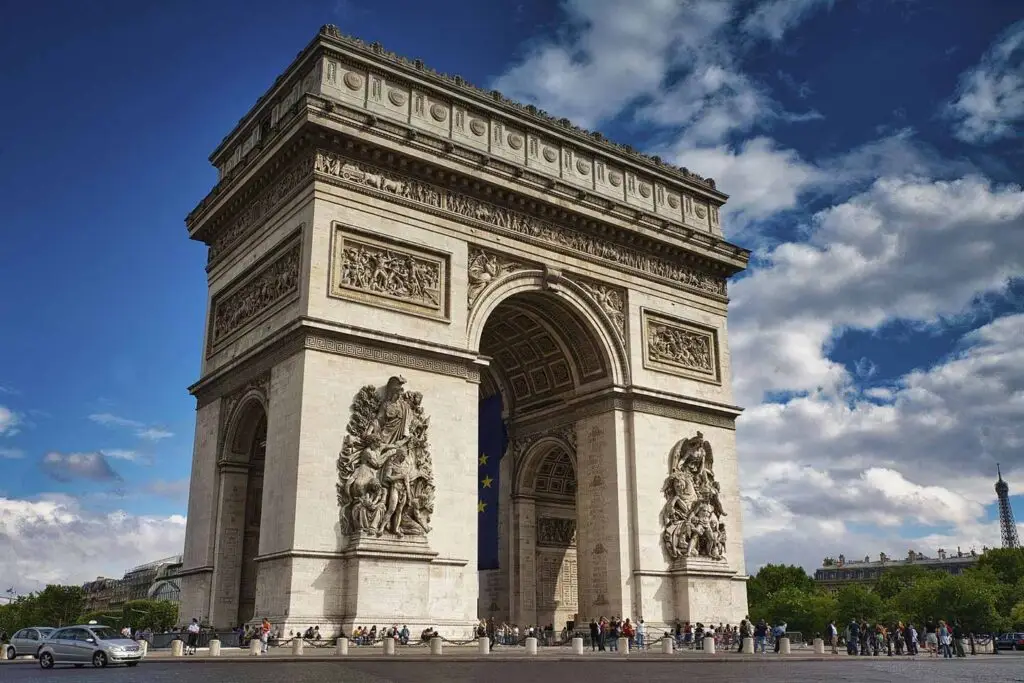
This morning, leave southern France behind and travel north to Paris via high-speed train.
Arrival in Paris
After checking into your hotel, the remainder of the day is left open for independent exploration. Depending on your arrival time, you may choose to walk along the Seine, visit a neighborhood café, or simply enjoy your first impressions of one of the world’s most famous cities. Areas such as Saint-Germain-des-Prés, Le Marais, or the Latin Quarter are ideal places to wander and soak up the atmosphere.
Evening at Leisure
Paris is particularly enjoyable in the evening when monuments begin to light up and the city takes on a different character. Enjoy dinner at your own pace and prepare for a full day tomorrow.
Overnight in Paris
Day 13 – Paris
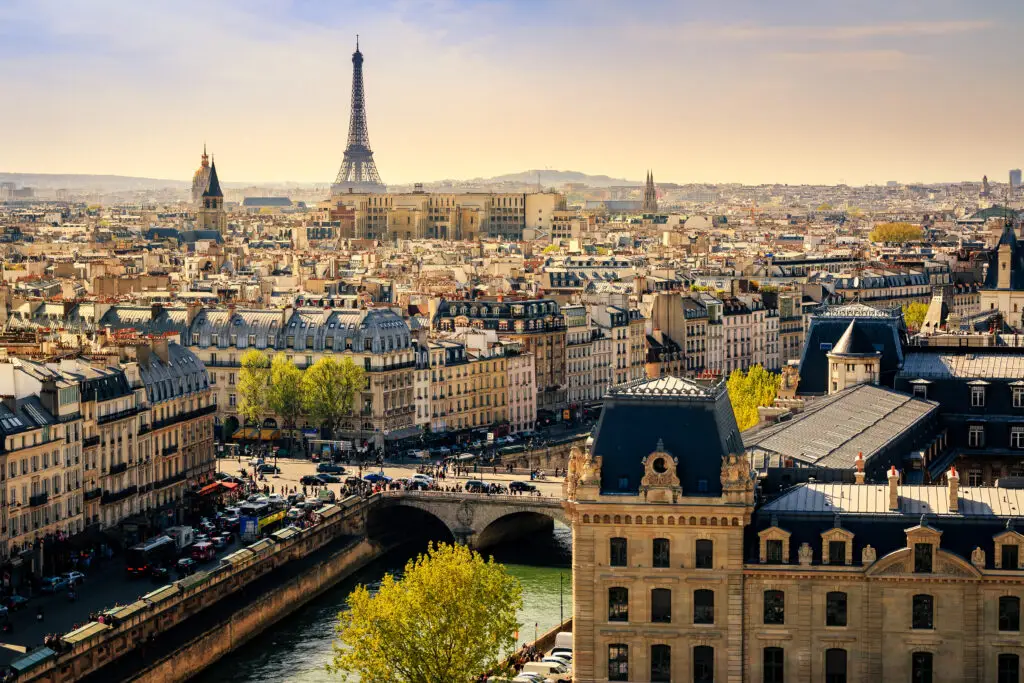
Notre-Dame Cathedral & Île de la Cité
Today, spend a full day exploring some of Paris’ most famous landmarks with a private guide, starting on Île de la Cité, the historic heart of Paris. This small island on the Seine is where the city first developed and remains one of its most important areas. Here you’ll visit the newly restored Notre-Dame Cathedral, one of the world’s finest examples of Gothic architecture. Your guide will explain the cathedral’s history, the devastating 2019 fire, and the extensive restoration that has brought this iconic landmark back to life.
As you walk through the surrounding streets, you’ll discover some of the oldest parts of Paris, with centuries of history packed into a relatively small area.
The Eiffel Tower & Lunch at Madame Brasserie
Continue across the city to the Eiffel Tower, the monument most closely associated with Paris. Built for the 1889 World’s Fair, the tower was originally intended to be temporary but has since become one of the world’s most recognizable landmarks.
After spending time around the Champ de Mars and Trocadéro Gardens, where you’ll enjoy some of the best views of the tower, make your way inside for lunch at Madame Brasserie, located on the Eiffel Tower’s first floor. The restaurant combines contemporary French cuisine with sweeping views across Paris, creating a memorable dining experience in one of the city’s most iconic settings.
Overnight in Paris
Day 14 – Paris to Rome
This morning, your private driver takes you to the airport for your short flight from Paris to Rome. You’ll be met on arrival by your new driver, who will take you to your hotel. You’ll have time to relax before heading out to discover some of the city’s most famous landmarks.
Introduction to Rome
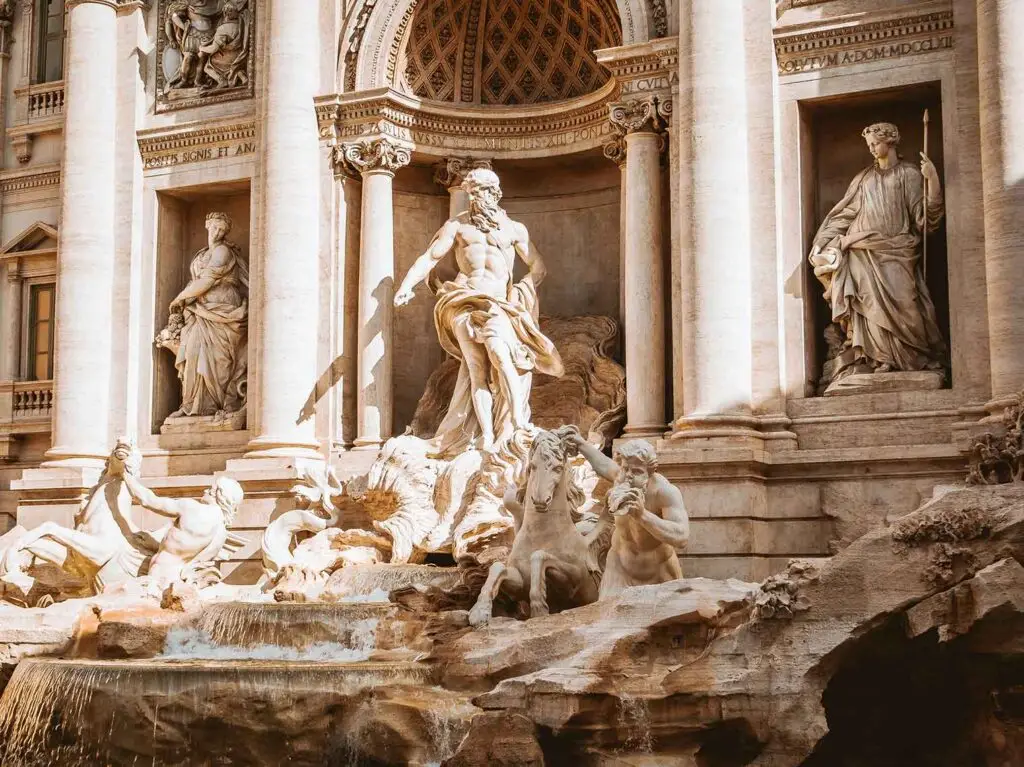
Meet your local guide and set out through the heart of Rome, beginning at Piazza di Spagna and the famous Spanish Steps before continuing to the magnificent Trevi Fountain. Along the way, stroll through elegant streets, historic squares, and lively neighborhoods while learning how Rome’s ancient, medieval, Renaissance, and modern history have shaped the city you see today. This relaxed walking tour provides the perfect introduction to the Eternal City and its most iconic landmarks before the more in-depth sightseeing of the days ahead.
Overnight in Rome
Day 15 – Colosseum & Roman Forum
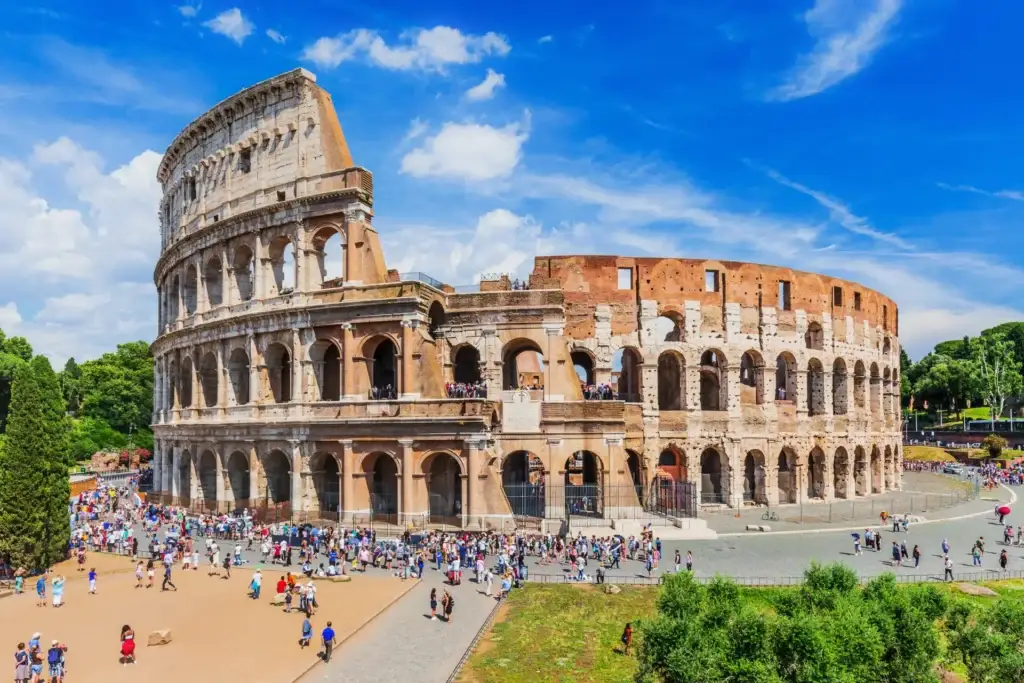
Today is dedicated to Ancient Rome. With an expert guide leading the way, you’ll explore the city’s most important archaeological sites and gain a better understanding of how Rome became one of history’s most influential civilizations.
Colosseum
Begin at the Colosseum, the largest amphitheater ever built by the Romans. Although much of its original structure has been lost over time, the building remains one of the most remarkable monuments from the ancient world. As you walk through the site, your guide will explain how gladiatorial contests, public spectacles, and political events once unfolded here before crowds of tens of thousands.
Roman Forum
A short walk from the Colosseum brings you to the Roman Forum, which served as the political, religious, and commercial center of Ancient Rome. Today, the area contains temples, arches, government buildings, and monuments that tell the story of the empire’s rise and development. The ruins can seem overwhelming at first, but a guided visit helps bring the site to life.
Palatine Hill
Finish the day on Palatine Hill, where Rome’s emperors built their palaces overlooking the Forum below. In addition to the historical significance, the hill offers excellent views across the city and provides a clearer understanding of how Ancient Rome was organized.
Overnight in Rome
Day 16 – Tivoli Day Tour
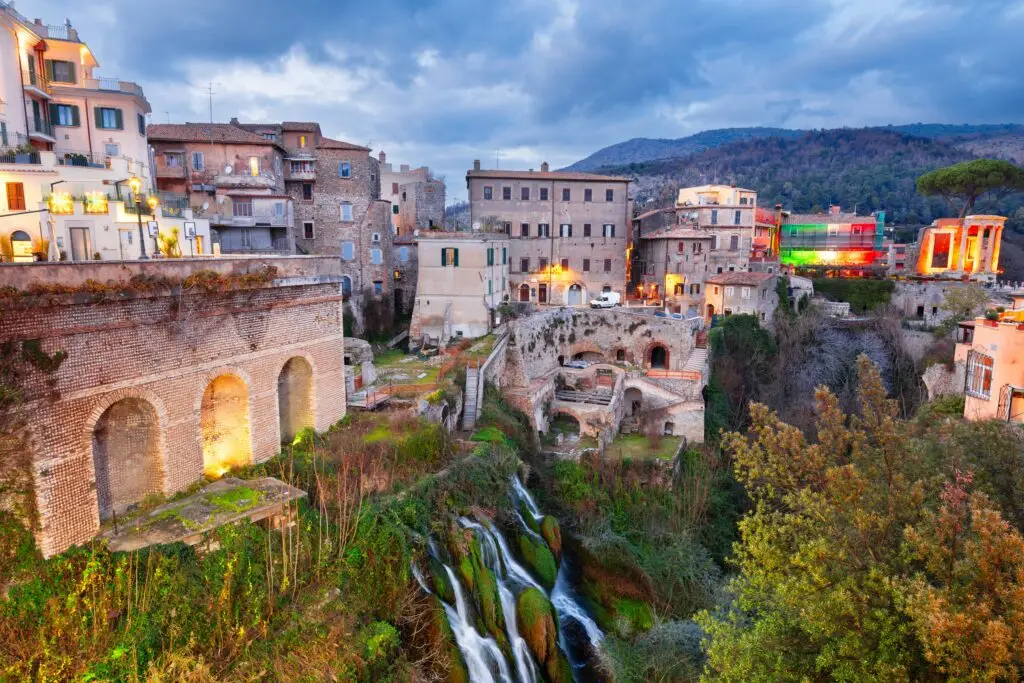
Leave the city behind for a day and travel east into the countryside surrounding Rome. Tivoli has attracted visitors for centuries thanks to its grand villas, gardens, and historic setting.
Villa d’Este
Your first major stop is Villa d’Este, a UNESCO World Heritage Site famous for its gardens and fountains. Water flows through terraces, staircases, pools, and decorative features throughout the property.
Hadrian’s Villa
Continue to Hadrian’s Villa, one of the largest and most important archaeological sites in Italy. Built by Emperor Hadrian during the second century, the complex once contained palaces, baths, theaters, libraries, and gardens spread across a vast area.
Tivoli Historic Center
Before returning to Rome, spend some time exploring the town itself. Tivoli’s streets, cafés, and local restaurants offer a chance to slow down and enjoy a different side of Italy.
Overnight in Rome
Day 17 – Vatican City
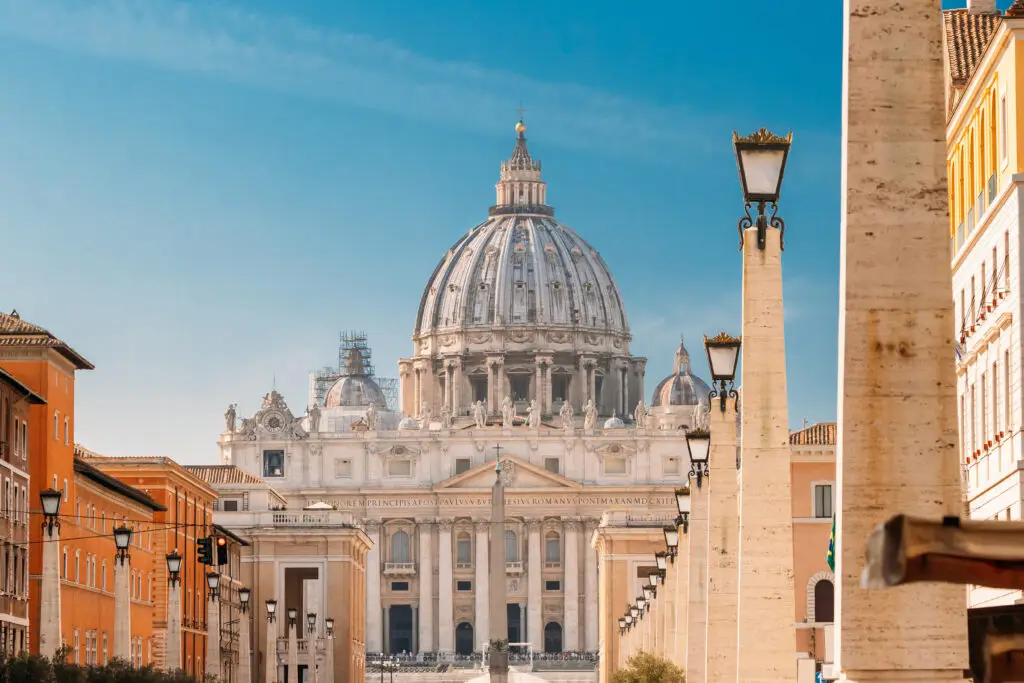
Today you’ll visit one of the world’s most important religious and artistic destinations.
Vatican Museums
Begin with the Vatican Museums, a vast collection built up by Popes over centuries. The galleries contain sculptures, paintings, maps, tapestries, and artifacts from many different periods of history.
Sistine Chapel
One of the most anticipated moments of the day is entering the Sistine Chapel. Michelangelo’s famous ceiling and altar wall remain among the greatest achievements of Renaissance art.
St. Peter’s Basilica
Continue to St. Peter’s Basilica, one of the largest churches in the world. Inside, you’ll find extraordinary architecture, sculptures, chapels, and centuries of religious history.
Overnight in Rome
Day 18 – Rome Departure
Your journey through Spain, France, and Italy comes to an end today.
Depending on your flight schedule, you may have time for a final coffee, a short walk through the neighborhood around your hotel, or some last-minute shopping before departing for the airport. When you are ready, your private driver takes you to the airport for your flight home.