
Day 1 – Arrival in Helsinki & Finnish Sauna Experience
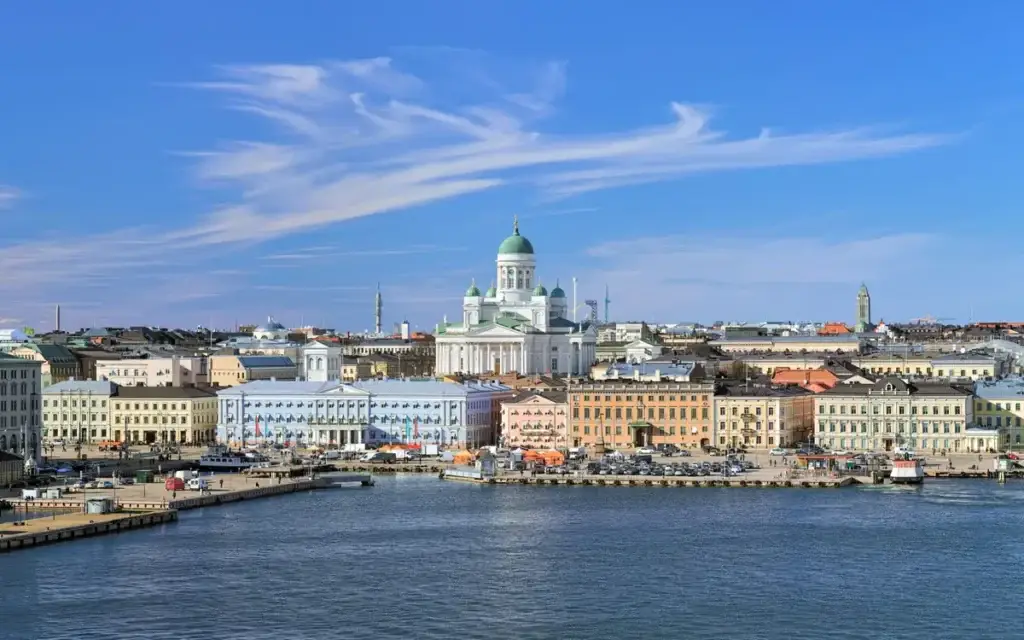
After arriving in Helsinki, your private transfer will take you to the city center. Once checked into your hotel, the first day is designed to introduce you to one of Finland’s most important traditions: the sauna.
Finnish Sauna Experience
During the evening, you’ll have a private sauna room reserved for your group. Spending time in the sauna is a normal part of life in Finland, and many locals use them several times a week throughout the year, especially during the colder months. The experience gives you the chance to relax and take part in one of the country’s strongest everyday traditions shortly after arriving in Helsinki.
The experience gives you time to slow down after your journey while experiencing a tradition that has been part of Finnish culture for generations.
Overnight in Helsinki.
Day 2 – Suomenlinna Fortress & Helsinki Food Tour
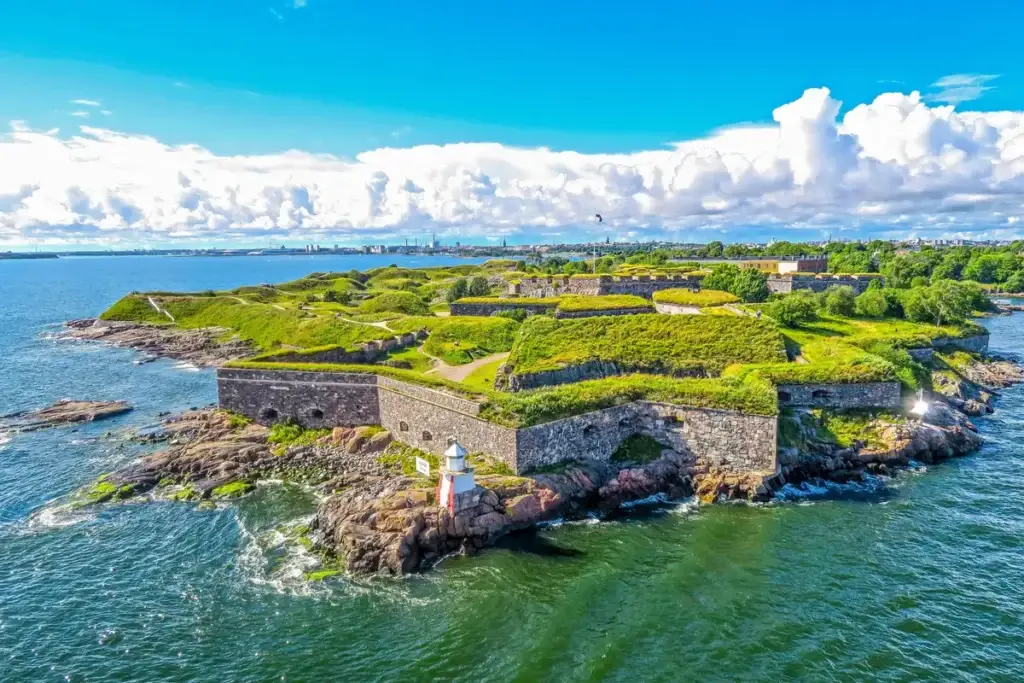
Your first full day in Finland includes time both on the water and in the center of Helsinki.
Suomenlinna Fortress
Together with your private guide, you’ll take the short ferry ride across to Suomenlinna, a large sea fortress spread across several islands just outside central Helsinki.
Walking through Suomenlinna, you’ll pass stone walls, cannons, tunnels, old military buildings, and small harbors spread across the different islands that make up the fortress. Your guide will explain how the site was controlled by Sweden, later occupied by Russia, and eventually became part of Finnish history after independence.
Even though it was originally built for military defense, people still live on the islands today, so alongside the historic areas you’ll also see cafés, local homes, walking paths, and small marinas around the waterfront.
Helsinki Food Tour
Later in the day, you’ll head out with your guide to try different Finnish foods around central Helsinki. The route includes stops at places like market halls, bakeries, cafés, and smaller local food spots where you’ll sample dishes and ingredients commonly found in Finnish cooking, depending on the season and what’s available that day.
Along the route, your guide will also introduce different neighborhoods and explain how Nordic and Finnish food traditions have developed over time.
Overnight in Helsinki.
Day 3 – Porvoo & Finnish Nature Day Trip
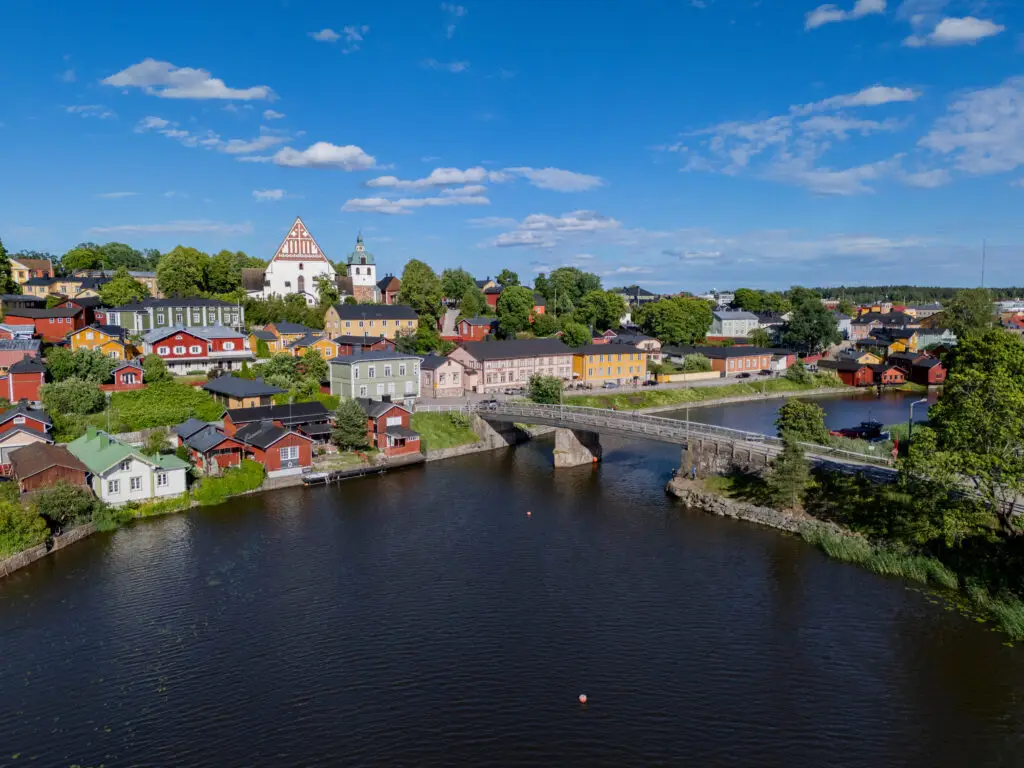
Leaving Helsinki behind for the day, you’ll head east toward Porvoo and the Finnish countryside.
Old Porvoo
Porvoo is one of Finland’s oldest towns and is known for its riverside warehouses, wooden houses, and narrow streets around the old center. Walking through town, you’ll pass small cafés, local shops, galleries, and historic buildings that give the area a much quieter feel than Helsinki.
Finnish National Park
Part of the day is spent outside Helsinki in one of the national park areas surrounding the capital region. Here, you’ll have time to walk through forest trails and along sections of rocky coastline while seeing a quieter side of Finland away from the city. The landscape is shaped by pine forests, lakes, exposed rock, and smaller walking paths that locals commonly use for hiking and other outdoor activities.
Compared with the cities, these areas feel much more remote and connected to nature, even though they are still within reach of the capital region.
Return to Helsinki in the evening.
Overnight in Helsinki.
Day 4 – Helsinki to Stockholm by Overnight Ferry
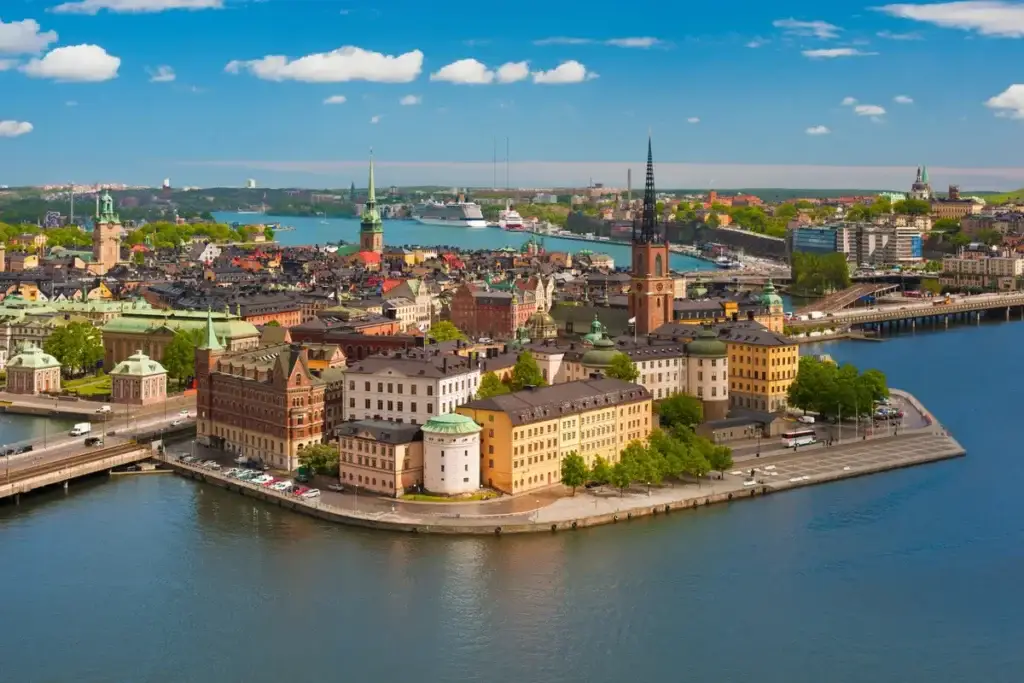
This morning includes time on the water before boarding the overnight ferry to Sweden later in the day.
Helsinki Offshore RIB Boat Experience
The RIB boat experience takes you out along the Helsinki coastline and the surrounding islands at high speed, offering a different perspective on the city from the water.
Along the route, you’ll pass rocky islands, marinas, waterfront neighborhoods, and sections of the Finnish archipelago surrounding the capital.
Overnight Ferry to Stockholm
Later in the evening, you’ll board the overnight ferry from Helsinki to Stockholm. Traveling between Finland and Sweden by ferry is a common part of life in the region, and the route passes through parts of the Baltic archipelago overnight.
Your sea view cabins include private facilities and breakfast the following morning.
Overnight ferry to Stockholm.
Day 5 – Stockholm Private City Tour
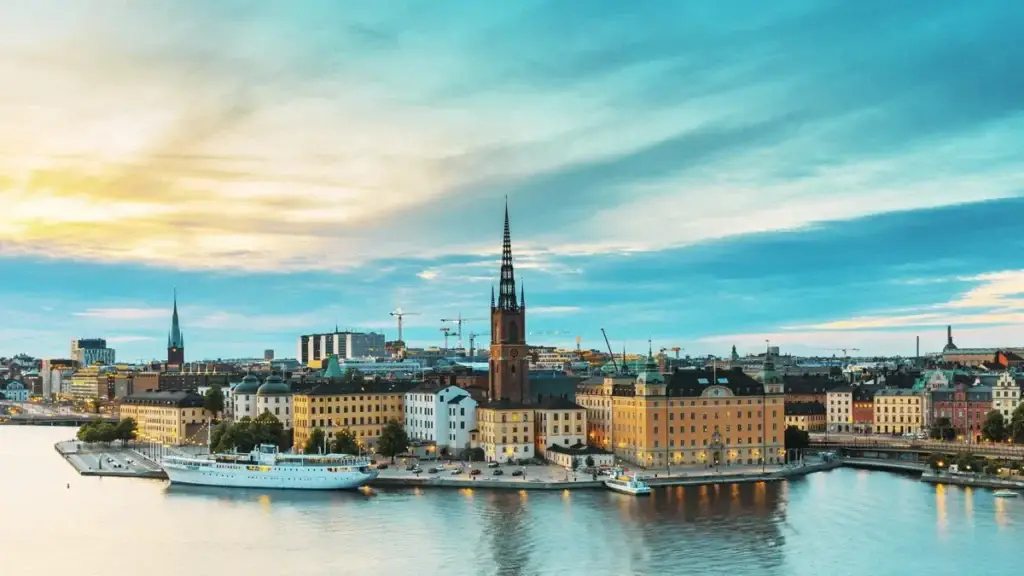
After arriving in Stockholm and transferring to your hotel, you’ll head out for a private city tour with a local guide.
Exploring Stockholm
The tour introduces you to different parts of the Swedish capital, including Gamla Stan, waterfront districts, royal areas, and neighborhoods spread across the city’s islands.
Walking through Gamla Stan, you’ll pass narrow streets, historic buildings, cafés, churches, and small public squares connected to Stockholm’s early history.
Fralla och Bulle Experience
Part of the tour includes stops connected to Swedish fika culture, with time to visit cafés and local bakeries that people in Stockholm regularly use in everyday life. Along the way, you’ll try Swedish pastries and lighter local snacks while spending time in neighborhoods beyond the main tourist areas.
Overnight in Stockholm.
Day 6 – Stockholm Archipelago Sailing Tour
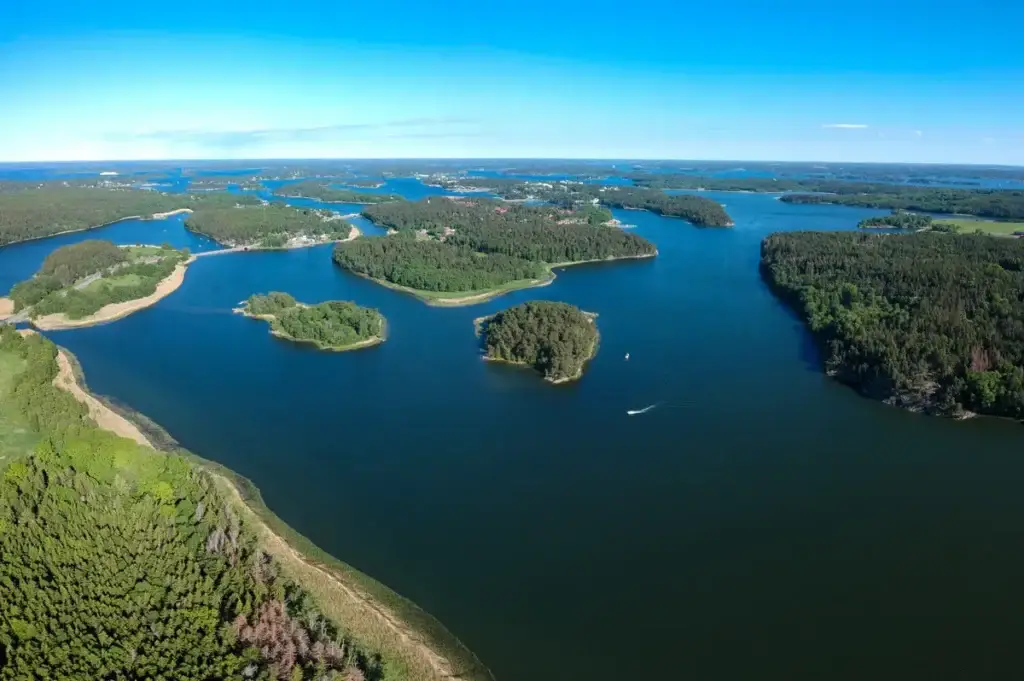
Today you’ll head out onto the water for a private sailing experience through the Stockholm Archipelago.
Stockholm Archipelago
The archipelago outside Stockholm contains thousands of islands spread across the Baltic Sea, ranging from small rocky outcrops to larger islands with villages, marinas, cafés, and summer homes.
During the sailing trip, you’ll move through quieter waterways and island areas that are difficult to experience from the city itself.
The pace of the day is slower, with opportunities to relax onboard while taking in the coastal scenery surrounding Stockholm.
Return to the city later in the day.
Overnight in Stockholm.
Day 7 – Sigtuna & Drottningholm Palace
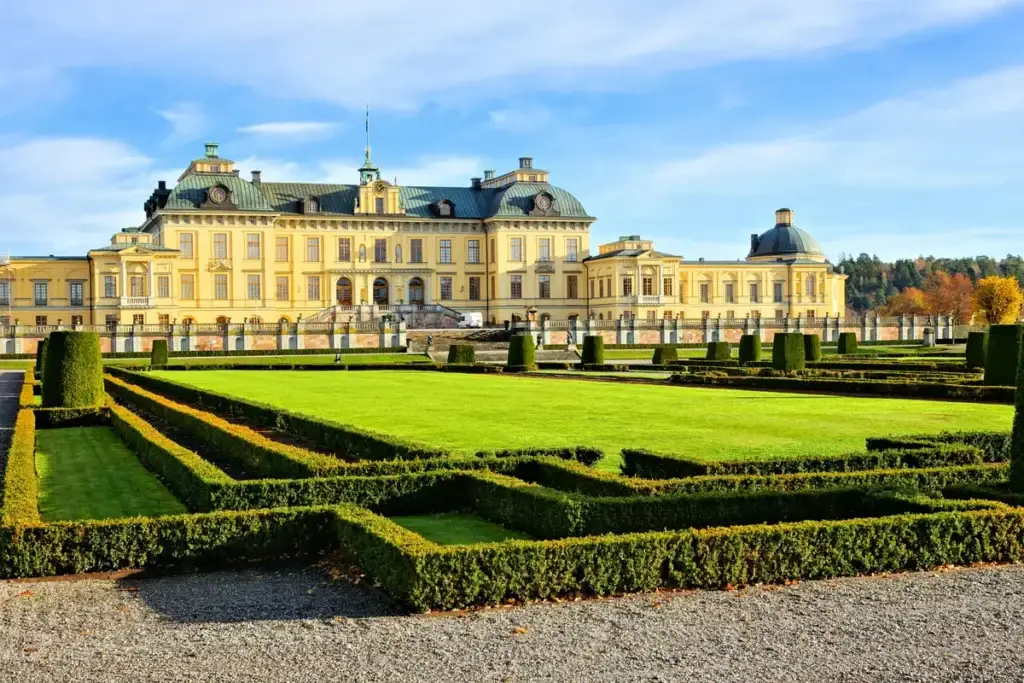
Your final full day in Sweden combines one of the country’s oldest towns with one of its best-known royal residences.
Sigtuna
Located north of Stockholm beside Lake Mälaren, Sigtuna is known for its wooden houses, old church, lakeside setting, and Viking history.
Walking through the center, you’ll pass cafés, rune stones, small shops, and quiet residential streets that feel very different from central Stockholm.
Drottningholm Palace
The tour also includes a visit to Drottningholm Palace on Lovön Island just outside Stockholm. The palace is where the Swedish royal family officially lives, and during your visit you’ll walk through parts of the historic rooms while learning more about Sweden’s monarchy and royal history. There’s also time to explore sections of the gardens and grounds surrounding the palace beside Lake Mälaren.
Inside, you’ll walk through royal rooms and historic sections of the palace while learning more about Sweden’s monarchy and royal history.
Overnight in Stockholm.
Day 8 – Stockholm to Oslo & Oslo Fjord Cruise
After breakfast, you’ll transfer to Stockholm Central Station for the high-speed train journey west to Oslo.
Train Journey to Norway
The route between Stockholm and Oslo passes forests, lakes, farmland, and smaller Scandinavian towns before crossing into Norway later in the journey.
Traveling by train gives you the chance to see more of the landscape between the capitals rather than flying between them.
Oslo Fjord Sunset Cruise
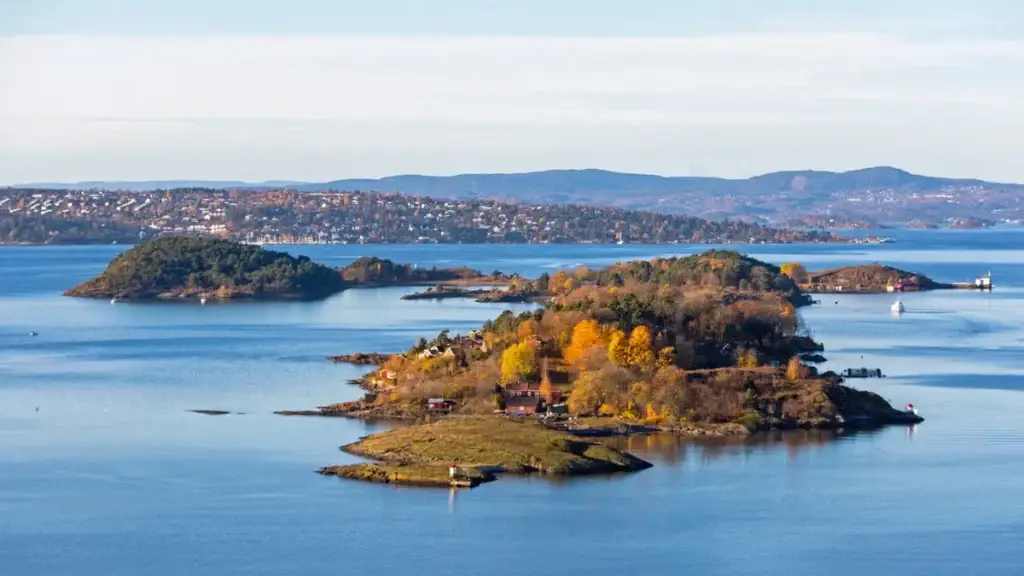
After arriving in Oslo and checking into your hotel, the evening includes a private cruise on the Oslo Fjord.
The cruise passes islands, waterfront neighborhoods, marinas, and smaller coastal areas surrounding the Norwegian capital while the sun begins to set over the water.
Overnight in Oslo.
Day 9 – Day Trip from Oslo to Flåm
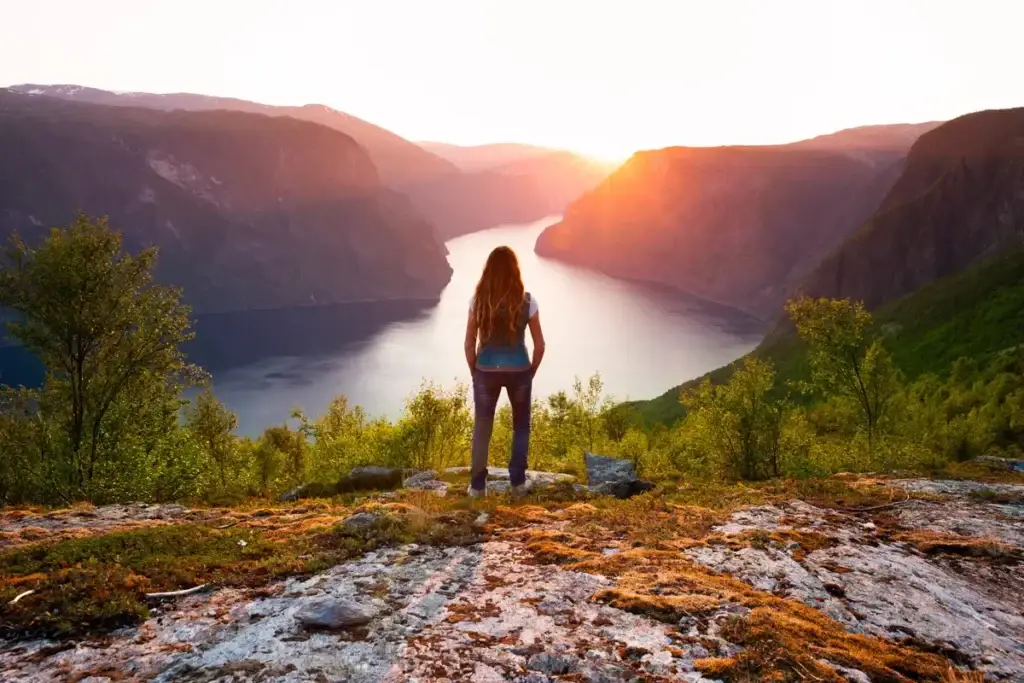
An early start takes you west from Oslo toward the fjord region for a full-day journey through some of Norway’s most dramatic scenery.
Journey Toward Flåm
The route passes mountain landscapes, valleys, waterfalls, lakes, and small villages as you travel deeper into western Norway.
Flåm
Located beside the Aurlandsfjord, Flåm is surrounded by steep mountains and narrow fjords connected to the larger Sognefjord region. The small village is one of Norway’s best-known fjord destinations and gives you time to experience part of the landscape that makes western Norway so famous.
Return to Oslo later in the evening.
Overnight in Oslo.
Day 10 – Oslo Walking Tour & Overnight Ferry to Copenhagen
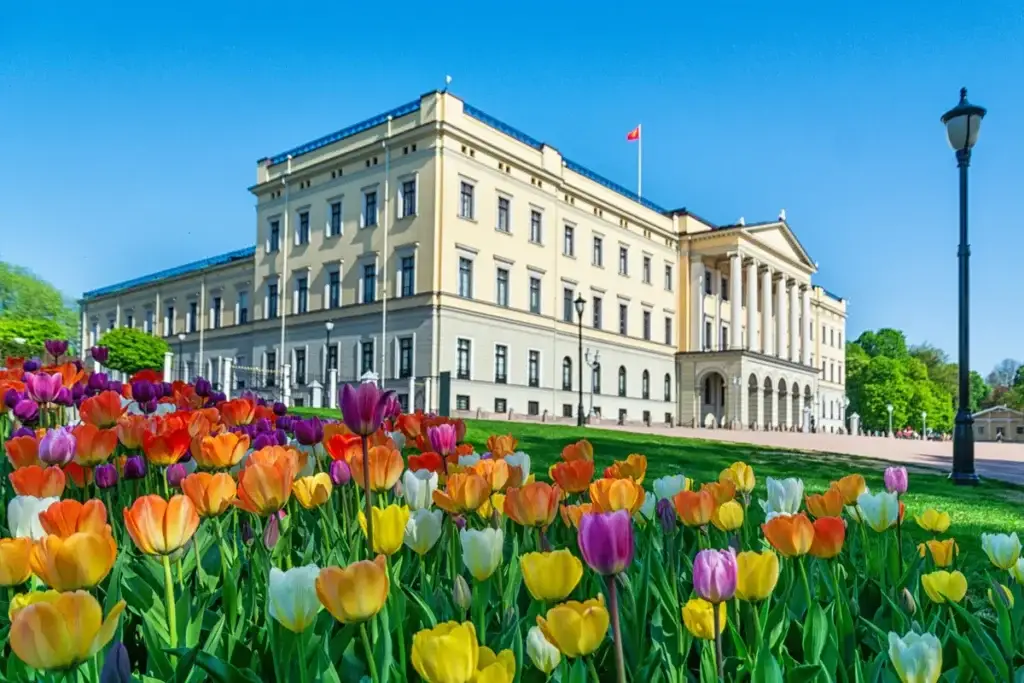
Before leaving Norway, you’ll spend part of the day exploring Oslo with a local guide.
Oslo Walking Tour
The walking tour takes you through central Oslo and along parts of the waterfront while introducing the city’s mix of historic landmarks and newer modern districts. Depending on the route, you may walk past places such as the Opera House, Karl Johans gate, the Royal Palace, Akershus Fortress, and the redeveloped harbor areas around Aker Brygge and the Oslo Fjord.
Overnight Ferry to Copenhagen
Later in the evening, you’ll board the overnight ferry from Oslo to Copenhagen.
Your Commodore sea view cabins include balconies, breakfast, and a tasting dinner onboard while the ship travels south through the Oslo Fjord and Kattegat overnight.
Overnight ferry to Copenhagen.
Day 11 – Copenhagen Food Tour
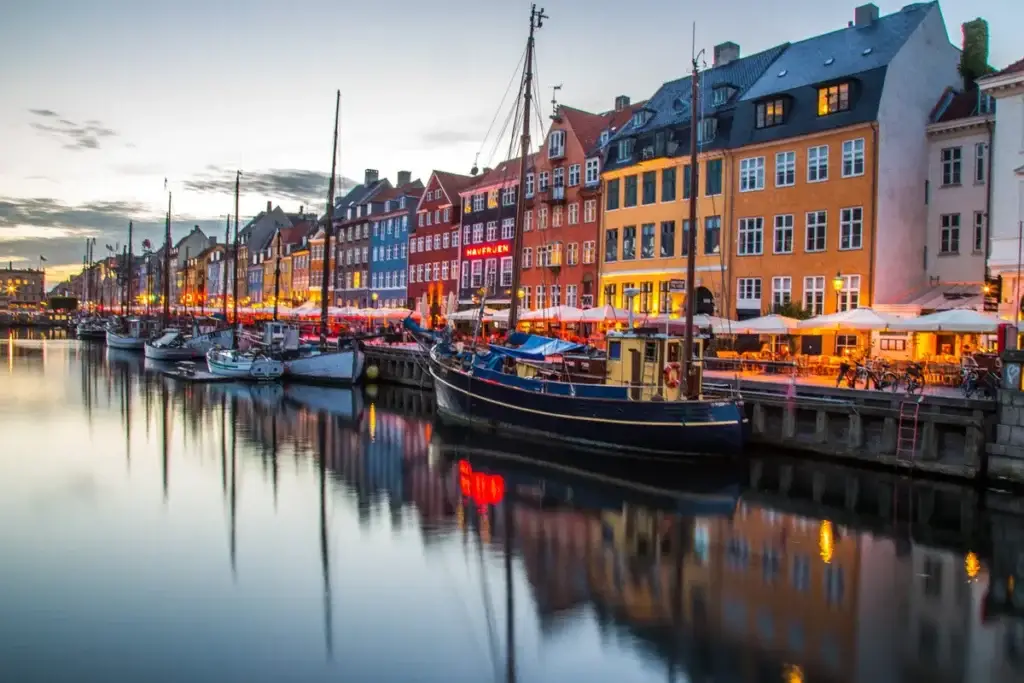
After arriving in Copenhagen and transferring to your hotel, you’ll head out on a private food tour through the Danish capital.
Copenhagen Culinary Experience
The tour includes stops at cafés, bakeries, restaurants, food markets, and smaller specialty shops serving Danish dishes and local products.
Tastings may include smørrebrød, pastries, seafood, cheeses, chocolate, or seasonal Nordic dishes, depending on the route and time of year.
Exploring Copenhagen
Between food stops, you’ll walk through different parts of central Copenhagen while learning more about Danish food culture and daily life in the city.
Overnight in Copenhagen.
Day 12 – Copenhagen Tour & Canal Cruise
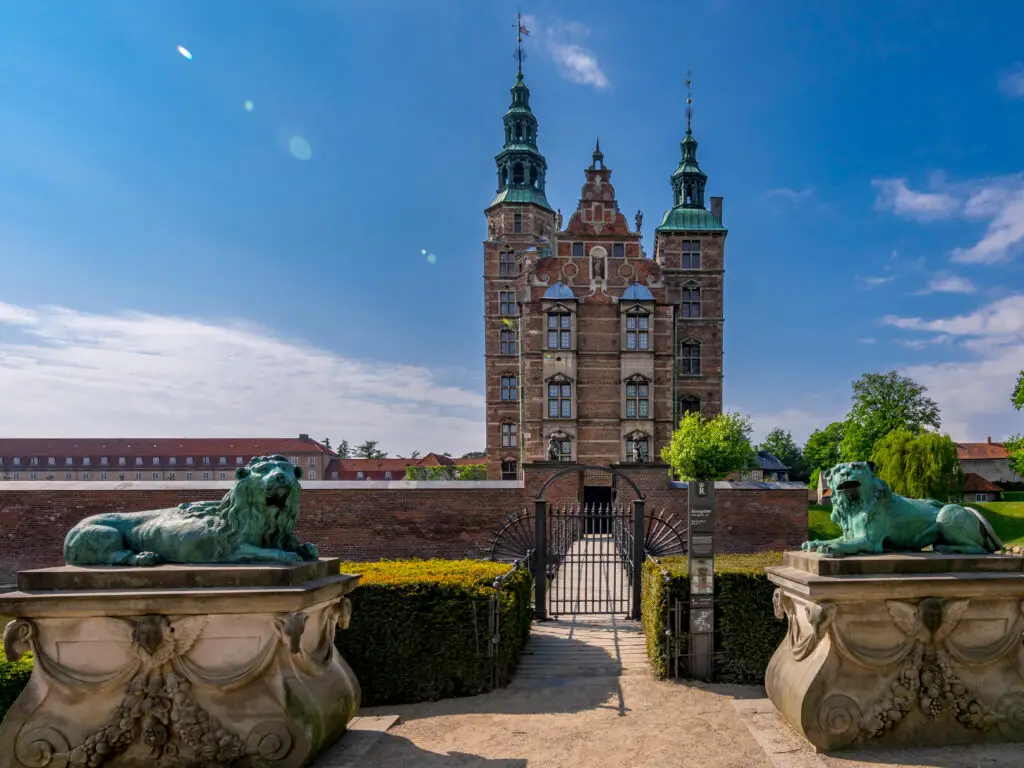
Today focuses on Copenhagen’s royal landmarks, historic center, and canal system.
Rosenborg Castle & Copenhagen Highlights
During the driving tour, you’ll visit Rosenborg Castle along with several of Copenhagen’s best-known districts and landmarks.
The route may include Nyhavn, Amalienborg Palace, Christianshavn, the Little Mermaid, and sections of the old city center.
Hidden Gems Canal Cruise
Later in the day, you’ll head onto the canals for a private boat cruise through quieter parts of Copenhagen’s harbor and waterways.
From the water, you’ll pass houseboats, modern waterfront districts, older warehouse areas, and residential canals away from the busiest tourist sections.
Overnight in Copenhagen.
Day 13 – Møns Klint & Forest Tower Day Trip
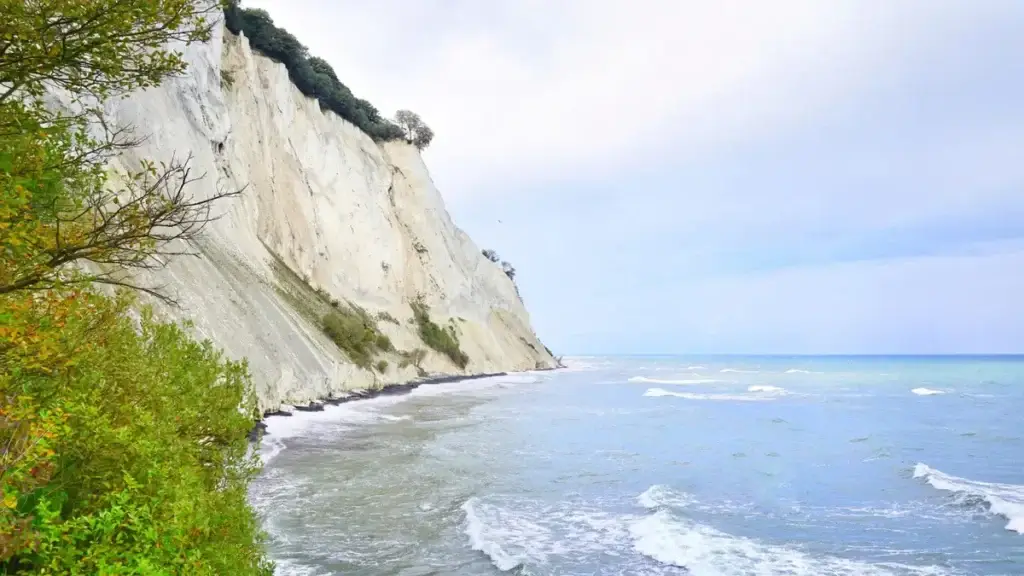
Your final excursion takes you into the Danish countryside south of Copenhagen.
Møns Klint
Møns Klint is known for its tall white chalk cliffs rising above the Baltic Sea. Walking trails and viewpoints along the coastline offer wide views across the water and surrounding forested areas.
Forest Tower
The day also includes a visit to the Forest Tower, a spiral-shaped observation tower rising above the forests of southern Zealand.
The structure allows visitors to walk gradually above the treetops while looking out across the surrounding countryside.
Return to Copenhagen in the evening.
Overnight in Copenhagen.
Day 14 – Departure from Copenhagen
After breakfast, your private transfer will take you to the airport for your onward flight.
Your Scandinavia journey comes to an end after traveling through Finland, Sweden, Norway, and Denmark by train, ferry, boat, and private touring while experiencing both the major capitals and smaller regions across the Nordic countries.