
Day 1 – Arrival in Stockholm & Private Historic Stockholm Tour
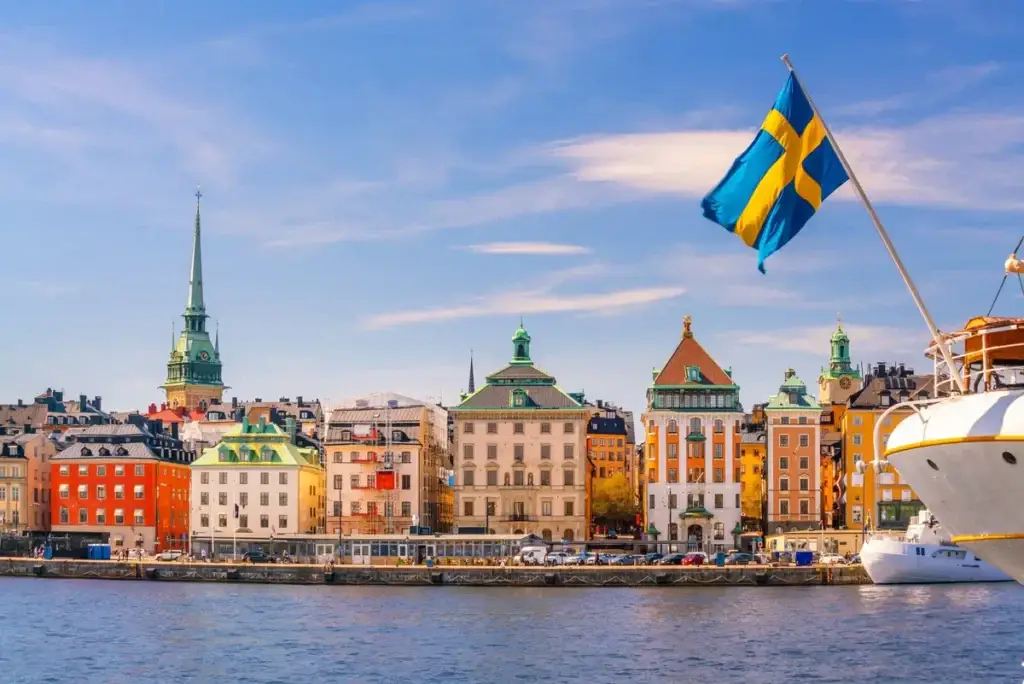
After arriving in Stockholm, your private driver will meet you at the airport and transfer you to the city. The journey into central Stockholm gives you a first look at the Swedish capital, spread across islands connected by bridges and waterfront roads. Depending on your arrival time, there may be an opportunity to briefly settle into your hotel before heading out for an introductory afternoon tour.
Later in the day, meet your private guide for a 3-hour driving tour focused on Stockholm’s historic districts and most recognizable landmarks.
Gamla Stan
The tour begins in Gamla Stan, Stockholm’s Old Town, where narrow cobbled streets pass colorful historic buildings, quiet courtyards, and small medieval squares. This part of the city dates back centuries and still feels very connected to Stockholm’s early history. As you walk through the area with your guide, you’ll learn how the city grew from a small trading settlement into the capital of Sweden while exploring one of the oldest neighborhoods in Scandinavia.
You’ll pass landmarks including Stortorget, the oldest square in Stockholm, along with the exterior of the Royal Palace and Stockholm Cathedral. The area feels very different from the modern districts nearby, with quiet alleyways, old shopfronts, and historic architecture around almost every corner.
Stockholm Panoramic Drive
Continuing by vehicle, your guide and driver will take you through several of Stockholm’s central islands and neighborhoods. The route typically includes views of City Hall, the waterfront promenades of Södermalm, elegant boulevards in Östermalm, and several elevated viewpoints overlooking the harbor and surrounding islands.
This driving portion helps connect the city geographically while also showing how varied Stockholm feels from one district to the next. Your guide will explain daily life in Sweden, local traditions, and how the city changes throughout the seasons.
Overnight in Stockholm.
Day 2 – Stockholm Museums & City Touring
Today is focused on Stockholm’s most famous museums and several of the city’s central districts. Together with your private guide, you’ll spend the day exploring the stories, culture, and design that helped shape modern Sweden. The tour combines museum visits with time driving and walking through different parts of the city, giving a broader understanding of Stockholm beyond the Old Town.
The Vasa Museum
Your first stop is the Vasa Museum, home to the Vasa warship that sank in Stockholm Harbor in 1628 shortly after setting sail for the first time. The ship was recovered from the water centuries later and carefully preserved, allowing visitors to see one of the best-preserved ships from the 1600s anywhere in the world. Standing beside it, you get a real sense of its size and the ambition behind Sweden’s naval expansion during that period.
Inside the museum, your guide will explain the story behind the ship’s construction, its disastrous sinking, and the enormous recovery project that brought it back to the surface. The size of the vessel becomes more impressive the closer you get, especially when standing beside its carved wooden stern and towering masts.
The ABBA Museum
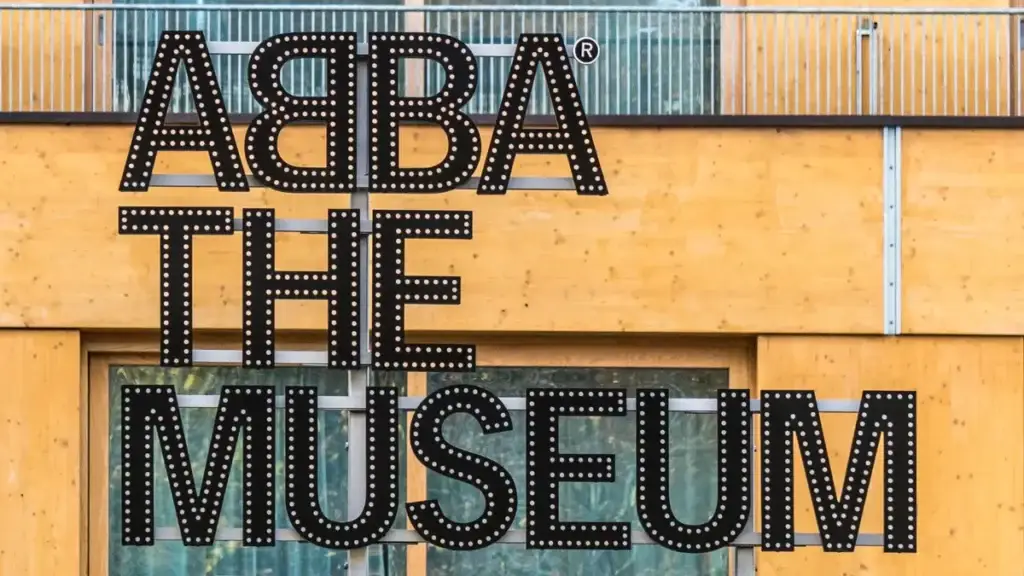
The tour continues with a completely different side of Swedish culture at the ABBA Museum. This interactive museum looks at the rise of Sweden’s most internationally recognized pop group and the cultural impact they continue to have worldwide.
Inside the museum, you’ll find original costumes, music recordings, photographs, stage props, and interactive exhibits connected to ABBA’s career. The museum also gives a good look at Sweden’s music scene during the 1970s and 1980s, along with the country’s long connection to Eurovision and international pop music. Even for visitors who are not dedicated ABBA fans, the experience is entertaining and easy to enjoy.
Central Stockholm & Djurgården
Throughout the day, your guide and driver will also introduce you to Djurgården, one of Stockholm’s greenest and most visited islands. The area combines museums, waterfront walking paths, gardens, and historic buildings in a quieter setting away from the busier city center.
You’ll also pass through several central neighborhoods while your guide explains how Stockholm balances modern Scandinavian design with older architecture and historic traditions. There may be time for a coffee stop or lunch overlooking the water before returning to your hotel.
Overnight in Stockholm.
Day 3 – Stockholm Archipelago Sailing Experience
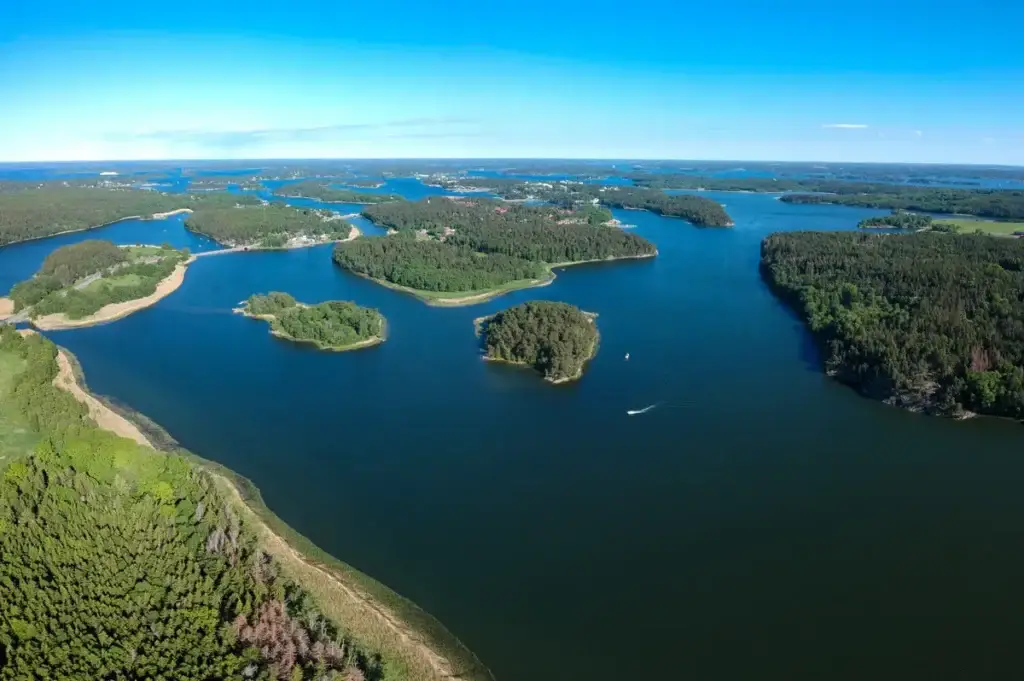
Today you’ll leave the city behind and spend a full day exploring the Stockholm Archipelago by private sailboat. Stretching across thousands of islands and rocky outcrops, the archipelago is one of Sweden’s most distinctive landscapes and an important part of local summer life.
Your captain will meet you at the marina before setting out into the Baltic waters surrounding Stockholm. The pace of the day depends partly on weather and sailing conditions, but the experience is designed to be relaxed and scenic, with plenty of opportunities to stop, swim, or simply enjoy the coastline from the deck.
Stockholm’s Outer Islands
As the boat moves farther into the archipelago, Stockholm slowly disappears behind you, and the landscape becomes quieter and more remote. Small forested islands, red summer houses, fishing piers, and sheltered coves are scattered across the water in every direction. Some islands have only a few homes, while others have tiny villages, local cafés, or small marinas that become busy during the warmer months.
Your skipper may stop at one of the islands for lunch or a short walk, depending on the route taken that day. The archipelago feels peaceful and open, particularly once you move beyond the busier central waterways closer to Stockholm.
Sailing Through the Baltic Coastline
Part of the experience is simply spending time on the water and watching the landscape shift throughout the day. The sailing itself can be active or relaxed depending on your preference, and guests are often welcome to learn basic sailing techniques if interested.
After a full day on the water, you’ll sail back toward Stockholm in the late afternoon as the islands gradually give way to the city skyline again. The experience offers a very different side of Sweden, with quiet waterways, open sea views, and small island communities that feel far removed from the capital despite being only a short distance away.
Overnight in Stockholm.
Day 4 – Sigtuna & Uppsala Day Tour
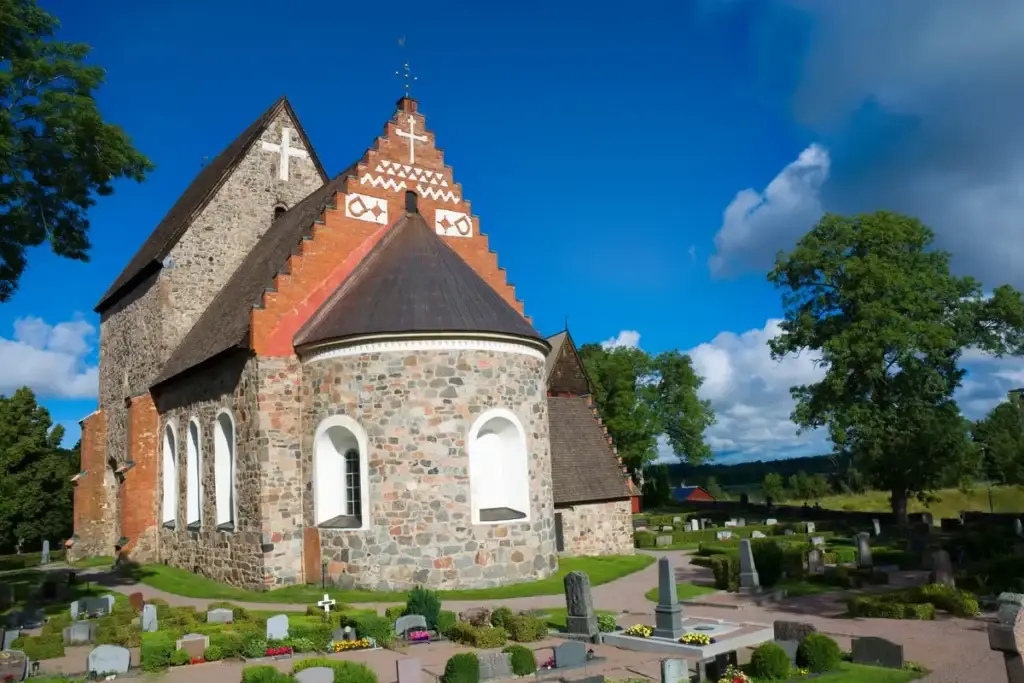
Today’s excursion takes you north of Stockholm to two of Sweden’s most historically important towns. Traveling with your private guide, you’ll visit Sigtuna, Sweden’s oldest town, before continuing to Uppsala, a city closely connected with Viking history, religion, and education.
The drive out of Stockholm passes through forests, farmland, and smaller villages, giving a different perspective on the Swedish countryside beyond the capital.
Sigtuna
Your first stop is Sigtuna, a small lakeside town just north of Stockholm that dates back to the Viking Age. The town center is filled with colorful wooden buildings, quiet side streets, church ruins, and small cafés overlooking the water. It’s an easy place to explore on foot and feels very different from the larger cities visited during the trip.
While walking through town, your guide will explain how Sigtuna became one of Sweden’s earliest settlements and an important trading center more than 1,000 years ago. Rune stones can still be seen around the town, adding to the strong connection with Sweden’s Viking history. Today, Sigtuna has a calm and local atmosphere, with small shops, waterfront paths, and a slower pace of daily life.
Uppsala Cathedral & University
Continuing to Uppsala, you’ll arrive in one of Sweden’s oldest cities and a place that still feels heavily shaped by its university and religious history. The city’s main landmark is Uppsala Cathedral, a huge church that can be seen from across the city. Inside are the tombs of Swedish kings, church leaders, and other important figures connected to the country’s past.
Your guide will also introduce you to the university district. Founded in 1477, Uppsala University is Scandinavia’s oldest university and remains one of Sweden’s leading academic institutions. Walking through the historic streets around the university gives the city a distinct atmosphere shaped by students, libraries, and centuries of academic tradition.
Gamla Uppsala
If there’s enough time during the day, you can also visit Gamla Uppsala, just outside the city center. The area is known for its large grassy burial mounds and its connection to Sweden’s Viking past. Long before Stockholm became the country’s main city, this was an important place for rulers, religion, and gatherings in early Sweden.
After a full day of sightseeing, return to Stockholm with your private driver and guide.
Overnight in Stockholm.
Day 5 – Transfer from Stockholm to Gothenburg
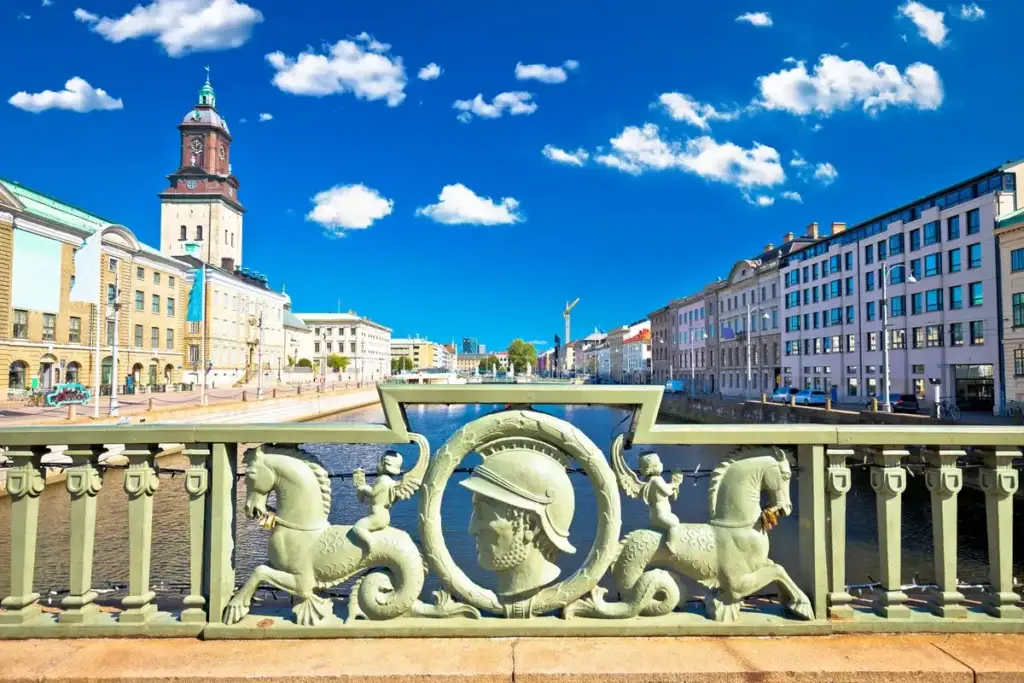
Today you’ll travel across Sweden from Stockholm to Gothenburg. Rather than flying, the overland transfer allows you to see more of the Swedish countryside while moving between the country’s two largest cities.
Journey Across Southern Sweden
The journey between Stockholm and Gothenburg takes you through quieter parts of Sweden that most visitors never really see. There’s time to stop whenever you want for coffee, food, or just a quick break along the way, whether that’s in a small town or somewhere out in the countryside. The roads are usually quiet, and once you leave the cities behind, the drive settles into long stretches of forest, farmland, and open space.
Traveling overland also gives a better sense of the country itself, especially the quieter rural areas that many visitors never see when traveling only between major cities.
Arrival in Gothenburg
By late afternoon or early evening, you’ll arrive in Gothenburg on Sweden’s west coast. The city has a different atmosphere from Stockholm, with a stronger maritime identity, a compact center, and a well-known food scene shaped by its connection to the North Sea.
After checking into your hotel, the evening is free to settle in, explore nearby neighborhoods, or enjoy dinner along the waterfront.
Overnight in Gothenburg.
Day 6 – Gothenburg Walking Tour
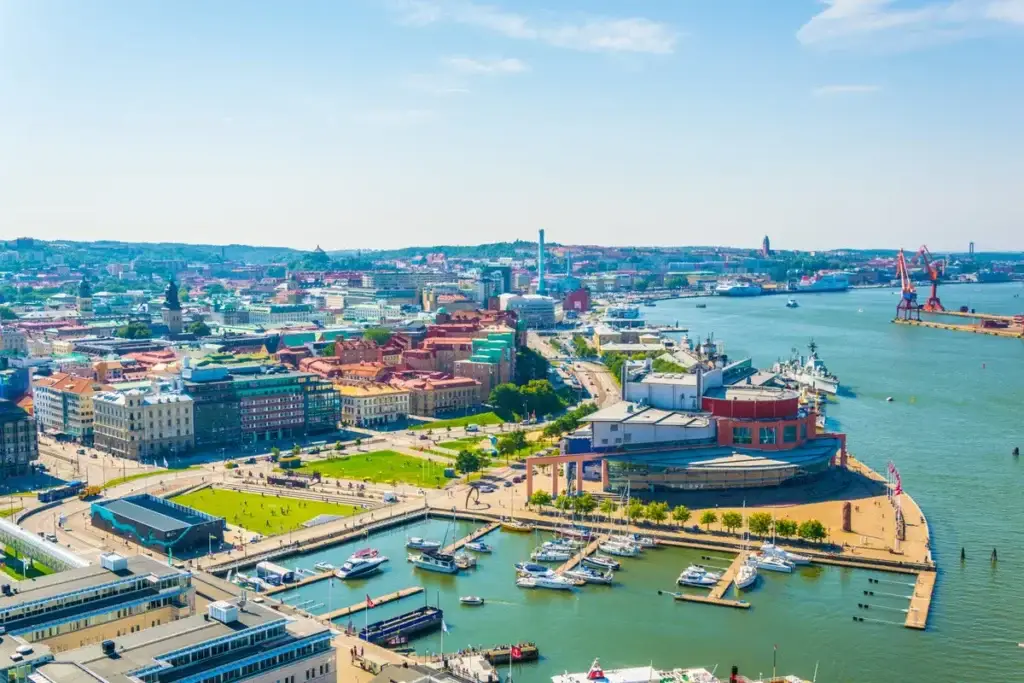
Today you’ll explore Gothenburg with a private local guide during a 4-hour walking tour through the city’s historic districts, canals, markets, and waterfront areas. Founded in the 17th century as a trading and shipping city, Gothenburg has a very different atmosphere from Stockholm, shaped more by maritime life and international trade.
Haga District
One of the main areas you’ll explore today is Haga, the oldest part of Gothenburg. The neighborhood is filled with small cobbled streets, old wooden buildings, local cafés, and independent shops. It has a quieter, more local feel than the modern parts of the city and is a popular place for people to meet for coffee or spend time outdoors.
Your guide will explain how the area developed from a working-class district into one of the city’s most popular neighborhoods. Haga is also one of the best places to experience Sweden’s café culture, with many bakeries serving traditional cinnamon buns and local pastries.
Gothenburg Canals & City Center
Continuing through the city center, your guide will introduce you to Gothenburg’s canal system and broad boulevards originally inspired by Dutch city planning. The waterways remain an important part of the city’s layout and help give Gothenburg its distinct character.
The route may include Gustav Adolf Square, the Fish Church market hall, and several waterfront promenades where old industrial areas have been redeveloped into modern public spaces, restaurants, and cultural venues.
Waterfront & Maritime History
As a historic port city, Gothenburg has always been closely connected to shipping and trade. Your guide will explain how the harbor shaped the city’s growth and why Gothenburg became Sweden’s main gateway to the North Sea and beyond.
The remainder of the afternoon is free for independent sightseeing or relaxing by the harbor.
Overnight in Gothenburg.
Day 7 – Gothenburg Archipelago Tour & Dinner
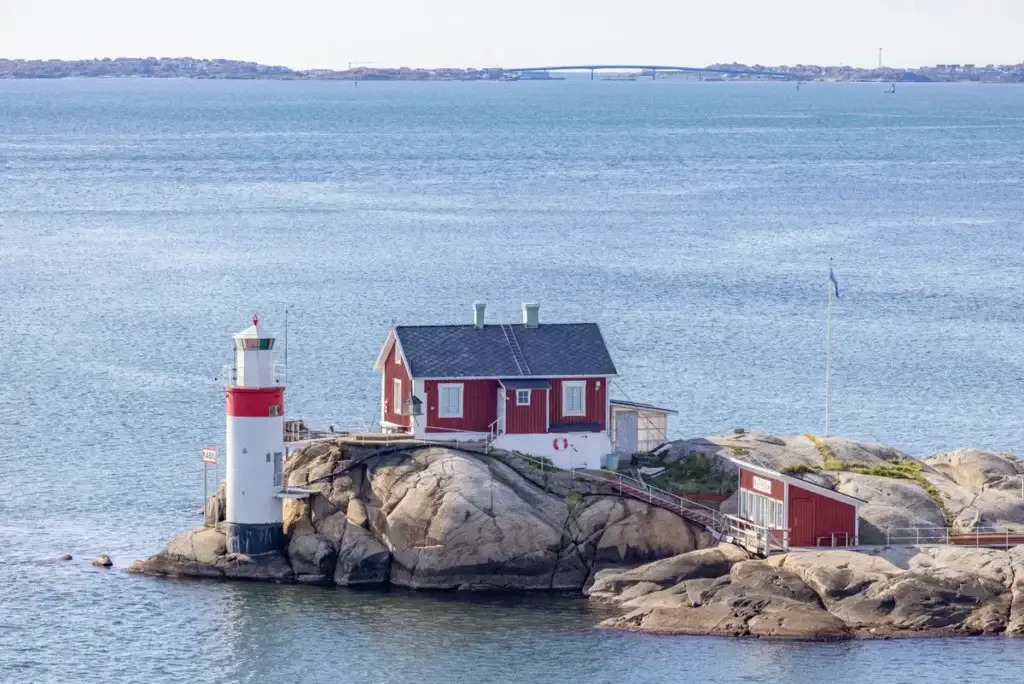
This afternoon and evening experience takes you into the southern Gothenburg Archipelago, a collection of islands known for fishing villages, rocky coastlines, and small harbors. Unlike the Stockholm Archipelago, the islands here feel more connected to the North Sea, with a rougher coastal landscape and a strong maritime identity.
This experience operates as a small group tour and includes dinner during the excursion.
Southern Archipelago Islands
The tour takes you out into the southern Gothenburg Archipelago, with visits to islands such as Styrsö, Brännö, and Vrångö depending on the route and ferry schedules that day. These islands are known for their small harbors, walking paths, fishing cottages, and slower pace of life. Cars are limited on many of the islands, so most people get around on foot or by bicycle.
As you move between the islands, you’ll get a better sense of everyday life along Sweden’s west coast. Small marinas, rocky shorelines, seafood restaurants, and waterfront homes line the coast, while ferries connect the local communities scattered across the archipelago.
Coastal Dinner Experience
During the evening, you’ll travel out into the Gothenburg Archipelago by ferry, stopping on some of the small islands before ending the tour with dinner by the water.
Depending on the menu and season, dishes may include fresh shrimp, shellfish, smoked fish, or other regional specialties. Gothenburg has a strong reputation for seafood and is often considered one of the best food cities in Scandinavia. The dinner is a good opportunity to experience part of the local food culture in a more relaxed coastal setting.
After dinner, return to Gothenburg in the evening.
Overnight in Gothenburg.
Day 8 – Gothenburg Culinary Tour
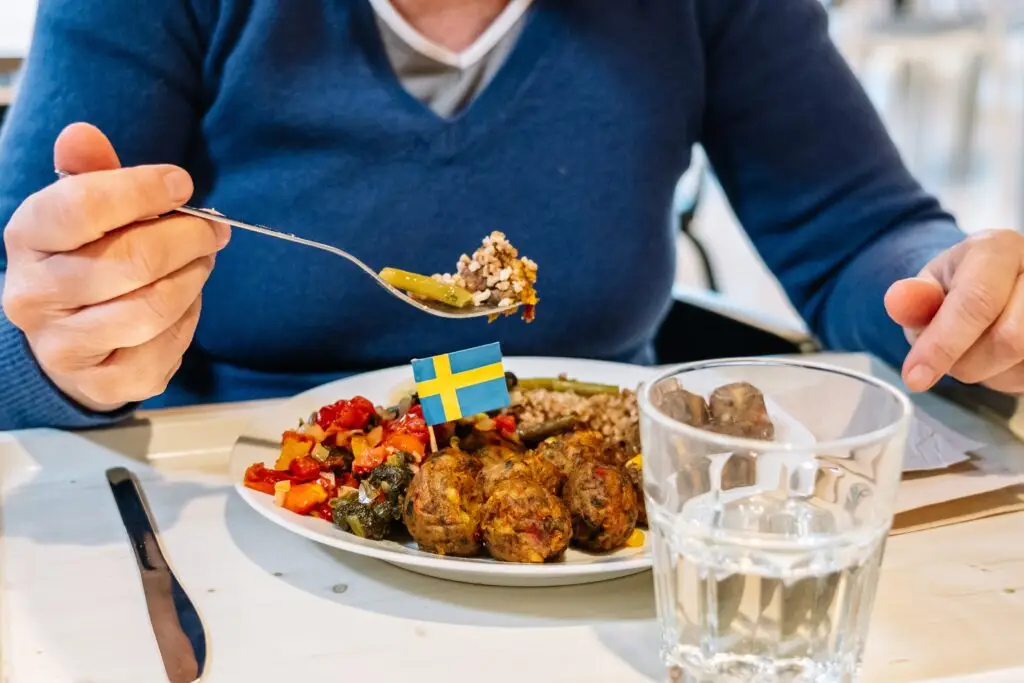
Today combines local food with unusual stories from Gothenburg’s past during a guided culinary walking tour through the city. Alongside tastings at selected stops, your guide shares historical stories involving crime, smuggling, scandals, and events connected to Gothenburg’s waterfront history.
Gothenburg Food Culture
During the tour, you’ll stop at different cafés, restaurants, and food spots around Gothenburg to try a mix of local dishes and snacks connected to Sweden’s west coast food scene. The exact tastings change depending on the season and what’s available that day, but they can include seafood, baked goods, cheeses, chocolate, or traditional Swedish dishes that locals still eat regularly.
The tour offers a good introduction to everyday Swedish cuisine while also highlighting why Gothenburg has become one of the country’s strongest food destinations.
Historic Stories & Hidden Corners
Between tastings, your guide will lead you through different parts of the city while sharing lesser-known stories from Gothenburg’s history. Many are connected to the harbor, shipping trade, or the city’s working-class districts.
The mix of storytelling and food creates a more informal sightseeing experience while still introducing important parts of Gothenburg’s identity and history.
The remainder of the afternoon is free for independent exploration.
Overnight in Gothenburg.
Day 9 – Lake Vänern & Läckö Castle Day Tour
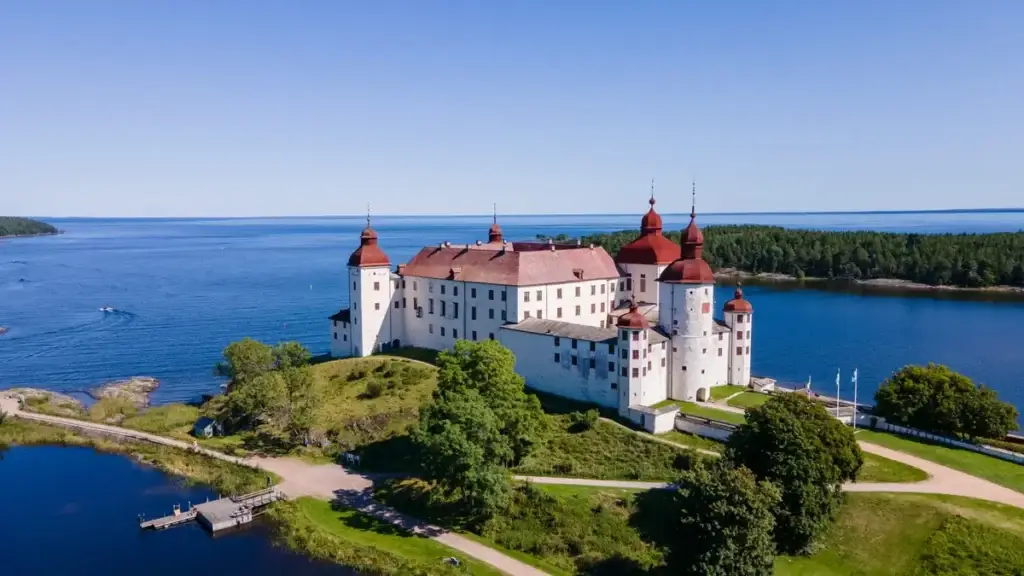
Today’s full-day private excursion takes you northeast from Gothenburg toward Lake Vänern, the largest lake in Sweden and one of the largest in Europe. The journey combines rural landscapes, lakeside scenery, and one of Sweden’s best-preserved baroque castles.
Swedish Countryside & Lake Vänern
The drive passes through forests, farmland, and small villages before reaching the shores of Lake Vänern. The lake feels almost sea-like in places because of its enormous size, with wide open water stretching far beyond the shoreline.
Your guide will explain how the lake shaped local trade, fishing, and transportation throughout Swedish history while also pointing out smaller towns and agricultural regions along the way.
Läckö Castle
You’ll spend part of the day visiting Läckö Castle, which sits on a peninsula along the shores of Lake Vänern. The castle began as a medieval fortress before being expanded into the large baroque residence seen today, and its lakeside setting has made it one of Sweden’s most recognizable historic buildings.
During the tour of the castle, you’ll walk through historic halls, decorated rooms, and former living quarters while learning about the people who lived here and how the building changed over time. After exploring inside, there may also be time to walk through the surrounding gardens and enjoy the views across the lake and countryside.
Lakeside Villages & Return to Gothenburg
Depending on timing, there may also be opportunities to stop in smaller lakeside communities or enjoy lunch overlooking the water before returning west toward Gothenburg in the evening.
Overnight in Gothenburg.
Day 10 – Departure from Gothenburg
After breakfast, your private driver will transfer you to Gothenburg Airport for your onward flight.
Depending on your departure time, there may be an opportunity for a final walk along the waterfront or a relaxed coffee stop before leaving the city. Your journey through Sweden comes to an end with experiences ranging from medieval towns and royal history to archipelago sailing, coastal food culture, and scenic countryside touring across two of the country’s most distinctive cities.