
Day 1 – Stockholm to Kiruna by Overnight Train
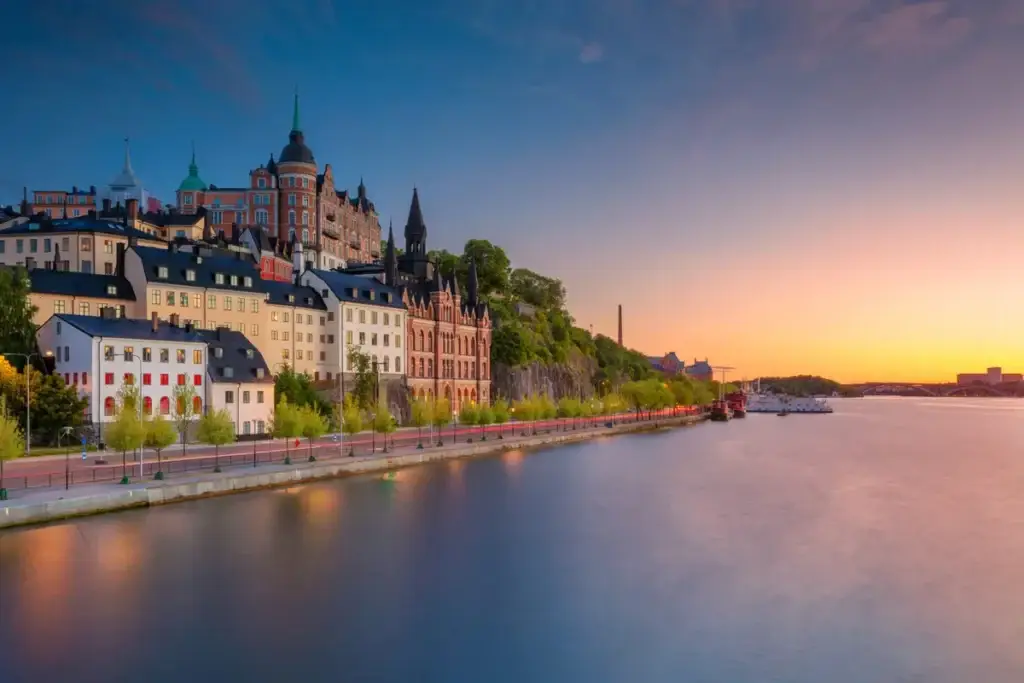
This evening, you’ll board the overnight train from Stockholm to Kiruna and begin the long journey north into Swedish Lapland. Traveling by overnight train is a common way to reach this part of the country and gives you the chance to watch the landscape gradually change as you move farther north.
After departing Stockholm, the train continues north through smaller towns, forests, and snow-covered countryside as you make your way deeper into Sweden. By the time you wake up the next morning, the scenery outside begins to feel much more remote, with longer stretches of wilderness as the train approaches Kiruna and the Arctic region.
As the train moves farther north overnight, the landscape becomes increasingly remote, with long stretches of snow-covered wilderness outside the windows during winter.
Overnight train to Kiruna.
Day 2 – Arrival in Kiruna & ICEHOTEL Experience
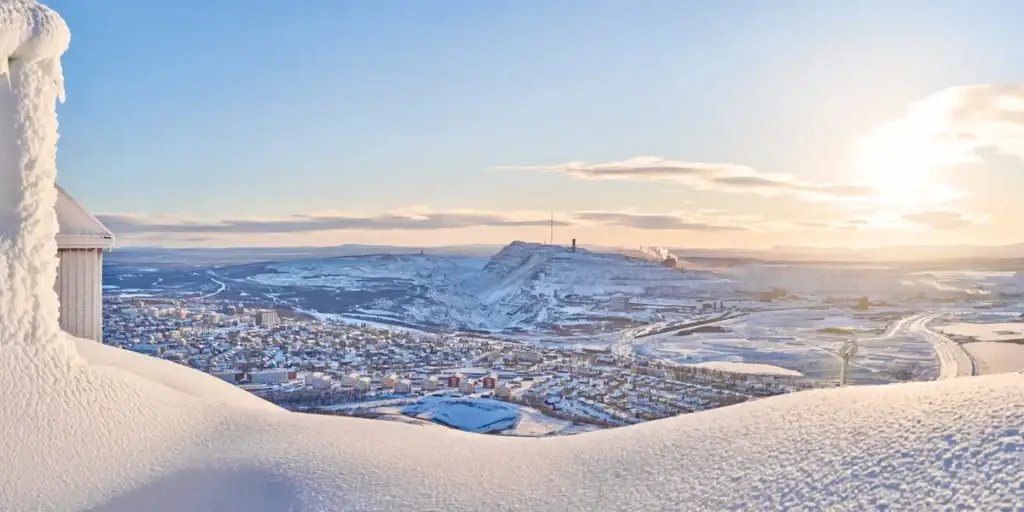
After arriving in Kiruna, you’ll transfer from the train station to Jukkasjärvi, home of the world-famous ICEHOTEL. Located beside the frozen Torne River, the small village becomes one of Sweden’s best-known winter destinations each year.
After arrival, there’s time to settle in and learn more about how the ICEHOTEL works before beginning the day’s activities.
ICEHOTEL Introduction
Before your overnight stay, you’ll receive practical information about staying in the cold rooms, including thermal sleeping bags, clothing recommendations, and how the hotel operates during winter. Even guests staying in cold accommodation usually spend much of their evening in the warmer common areas, restaurants, and lounges before heading to their ice rooms later at night.
The hotel itself is rebuilt every winter using ice taken directly from the Torne River. Inside, corridors, suites, sculptures, and even parts of the bar are carved entirely from snow and ice.
Raidu – Meet the Reindeer
Later in the day, you’ll take part in the Raidu reindeer experience, where you’ll meet Sámi guides and learn more about reindeer herding traditions in northern Sweden. The experience usually includes time feeding and interacting with the animals while hearing about daily life in the Arctic and the long history of Sámi culture across Lapland.
The snowy landscape around Jukkasjärvi creates a very different atmosphere from the cities farther south, with forests, frozen rivers, and open Arctic scenery surrounding the village.
ICEHOTEL Cold Accommodation
Tonight, you’ll experience one of the ICEHOTEL’s cold rooms. Temperatures inside remain below freezing, but thermal sleeping equipment is provided to keep guests warm throughout the night.
Sleeping inside the ice rooms is one of the most unusual parts of the trip and gives you the opportunity to experience the hotel after most daytime visitors have left.
Overnight at the ICEHOTEL cold accommodation.
Day 3 – Dog Sledding & Sauna Ritual
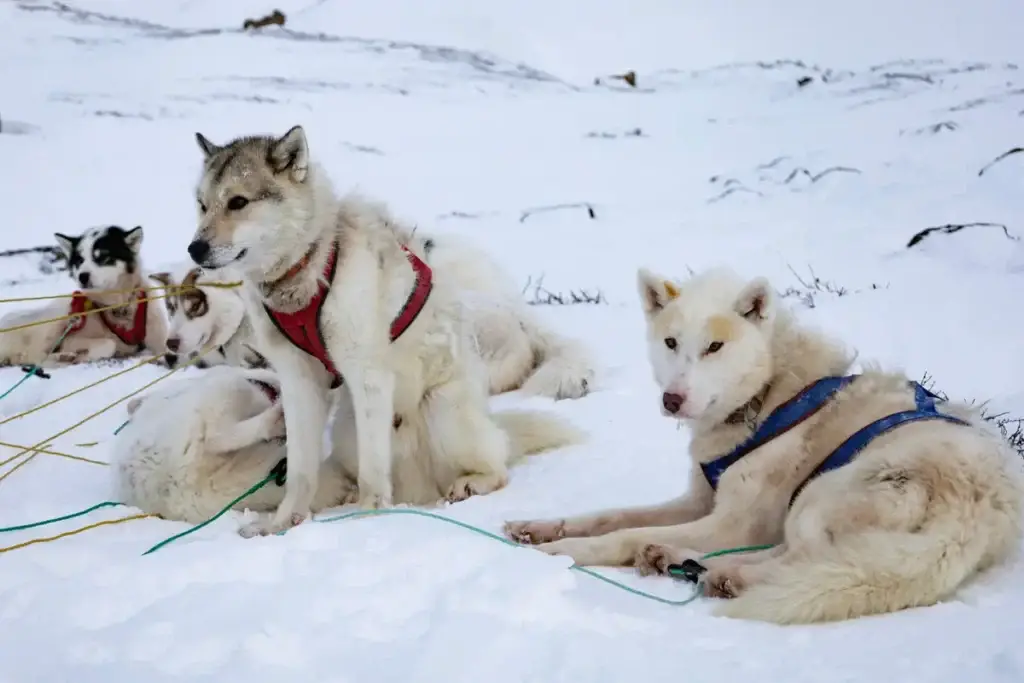
On day 3, you’ll enjoy two classic Arctic experiences. During the day, you’ll experience dog sledding through the snowy landscapes, followed by a traditional sauna ritual in the evening.
Dog Sledding Lunch Tour
During today’s excursion, you’ll head out by dog sled through the forests and snowy trails surrounding Jukkasjärvi. Unlike shorter rides where guides control the sleds, this experience allows guests to try driving the sled themselves as mushers.
After instructions from the guides, you’ll travel through the winter landscape with teams of huskies pulling the sled across frozen terrain and forest tracks. Part of the experience also includes stopping for lunch outdoors, adding to the feeling of spending time deep in the Arctic wilderness.
Private Sauna Ritual
Back at the ICEHOTEL later in the day, you’ll take part in a private sauna ritual inspired by traditional Nordic wellness culture. Saunas remain an important part of everyday life across northern Scandinavia, especially during winter.
The experience combines heat, cold, relaxation, and time beside the frozen landscape surrounding the hotel. After spending much of the day outdoors in Arctic temperatures, the sauna offers a very different side of life in northern Sweden.
Tonight, you’ll stay in warm accommodation at the ICEHOTEL.
Overnight at the ICEHOTEL warm accommodation.
Day 4 – Snowmobile Adventure & Free Time
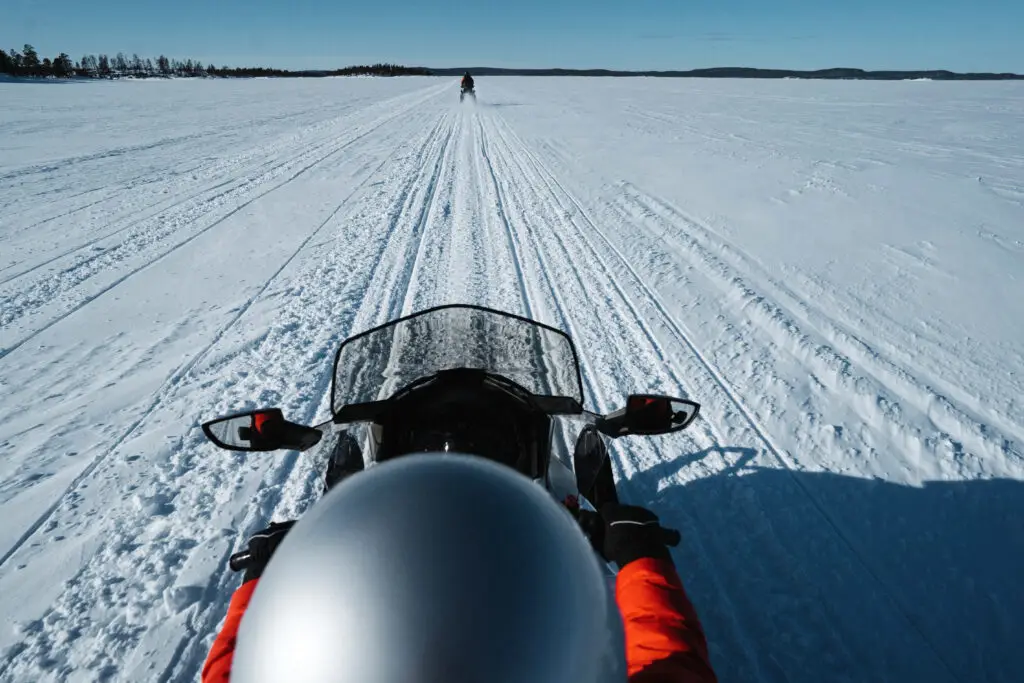
Today is centered around a snowmobile excursion through the Arctic landscape surrounding Jukkasjärvi. Snowmobiles are widely used throughout northern Sweden during winter and are one of the most practical ways to move through snowy terrain once the lakes and forests freeze over.
Snowmobile Adventure
Before setting off, you’ll be given winter equipment along with instructions on how to drive the snowmobiles safely. Once everyone is ready, the tour heads out into the snowy landscape around Jukkasjärvi, following trails through forests, across frozen rivers, and out into more open areas covered in snow. Two people share each snowmobile during the excursion, with chances to swap drivers along the way.
The routes often pass through remote sections of Lapland where there are few buildings or signs of settlement beyond occasional cabins or snow-covered trails. Traveling by snowmobile gives a very different perspective on the region compared with walking or vehicle travel.
Free Time at the ICEHOTEL
The rest of the day is free to spend around the ICEHOTEL and Jukkasjärvi at your own pace. You might want to walk through the ice art rooms again, spend some time in the heated lounge areas, or head down toward the frozen Torne River for a walk. After several days of outdoor activities, many guests also use the extra time simply to slow down and relax before continuing the journey north.
During winter, the short daylight hours also give the area a very different atmosphere during the evening, particularly once the snow and ice begin reflecting the surrounding lights.
Overnight at the ICEHOTEL warm accommodation.
Day 5 – Kiruna to Abisko & Northern Lights Dinner
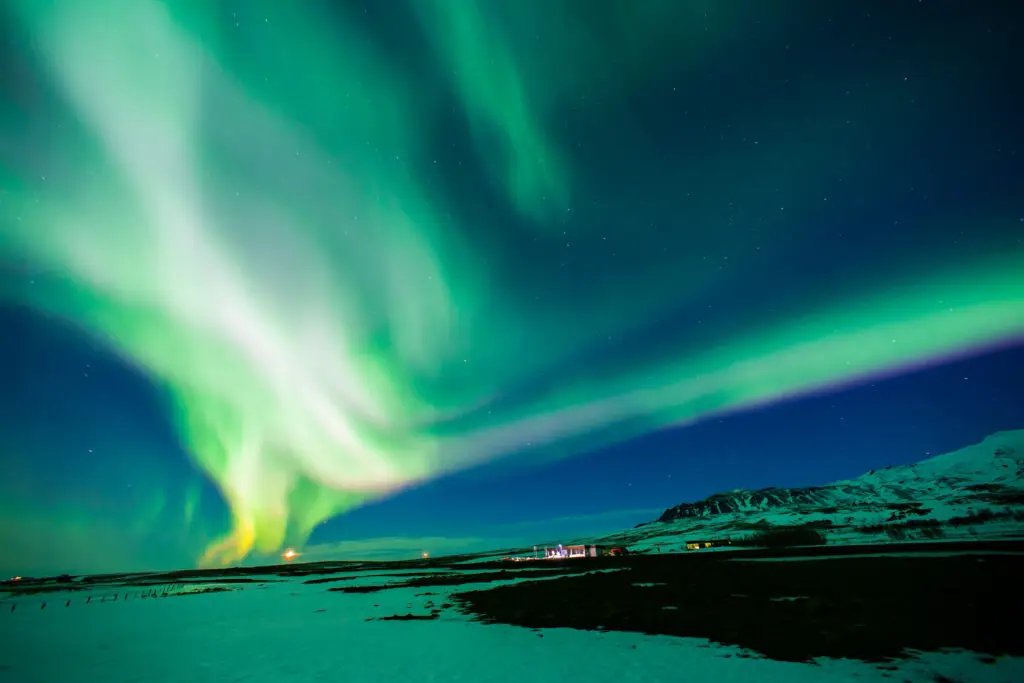
Today you’ll leave Jukkasjärvi behind and continue west toward Abisko, one of the best-known Northern Lights destinations in Scandinavia.
After transferring back to Kiruna Train Station, you’ll board the train toward Abisko along the Ofoten Railway, one of the most scenic rail routes in northern Europe during winter.
Arctic Train Journey
The train from Kiruna to Abisko travels through a quieter and more remote part of northern Sweden, with long stretches of snow-covered ground, frozen lakes, forests, and mountain scenery outside the windows. As you get closer to Abisko and the Norwegian border, the landscape becomes more open, with fewer towns and wider valleys cutting through the mountains.
The journey itself is relatively short, but it offers some of the best Arctic scenery of the trip.
Aurora Sky Station Dinner
In the evening, you’ll head to the Aurora Sky Station for dinner and Northern Lights viewing. The station sits above Abisko and is reached by chairlift, taking you away from most artificial light in the area.
Dinner is served while overlooking the surrounding mountains and Arctic landscape. Abisko is known for its stable weather conditions and clear skies, which is one reason the area has become so popular for Northern Lights viewing during winter.
While sightings can never be guaranteed, this region is considered one of the strongest places in Sweden for aurora viewing.
Overnight at Abisko Turiststation STF.
Day 6 – Abisko to Stockholm by Overnight Train
Today is mostly free to enjoy the surroundings of Abisko before boarding the overnight train south later in the day.
Depending on the weather and time available, there may be opportunities to walk around the area near the station, take in the mountain scenery, or simply relax before the long journey back toward Stockholm.
Abisko in Winter
Abisko sits inside Abisko National Park and is surrounded by mountains, frozen lakes, and wide open Arctic landscapes. Even without planned excursions, the area itself is one of the highlights of northern Sweden during winter.
The village is small and quiet, particularly during the daytime between train arrivals and evening Northern Lights tours.
Overnight Train South
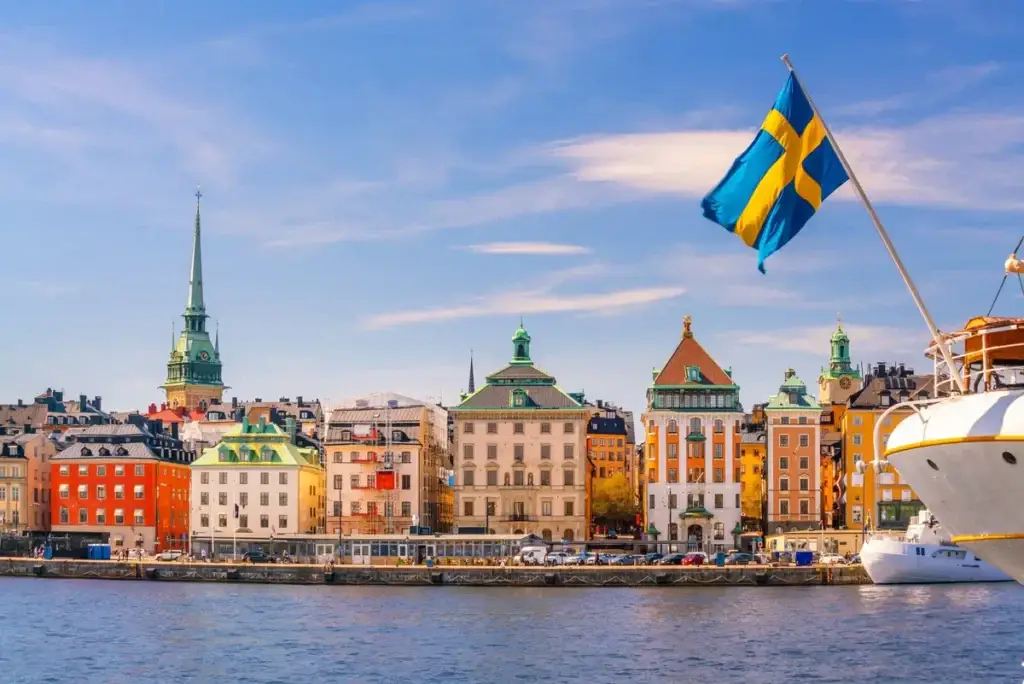
Later in the day, you’ll board the overnight train back to Stockholm. Traveling south by rail gives you one final chance to experience the changing landscapes of northern Sweden before returning to the capital.
Overnight train to Stockholm.
Day 7 – Arrival in Stockholm
This morning, you’ll arrive back in Stockholm after your overnight journey south from Lapland.
Depending on your onward plans, there may be time to enjoy a relaxed breakfast, explore part of the city independently, or continue on to your next destination. The trip comes to an end after experiencing some of the most remote and recognizable winter landscapes in Sweden, from Arctic forests and frozen rivers to reindeer, dog sledding, and nights spent above the Arctic Circle.