
Day 1 – Porto
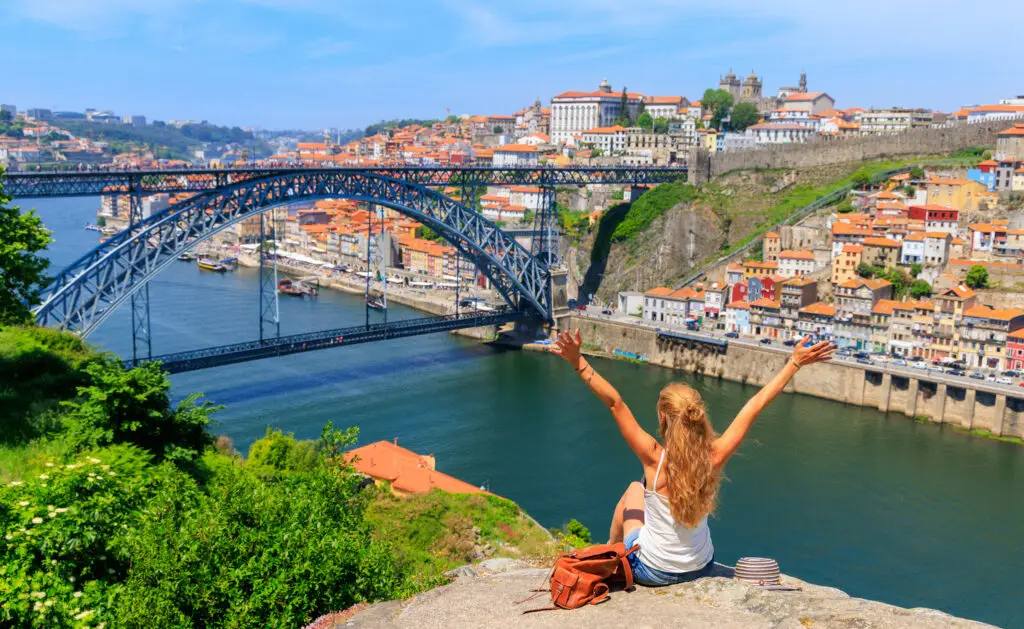
Arrival and Private Transfer into Porto
After landing in Porto, your private driver-guide meets you and brings you into the city. On the way, your guide gives you a straightforward introduction to how Porto is laid out, the river as the city’s anchor, the historic center climbing steeply away from it, and the key areas you’ll get to know over the next couple of days.
A First Walk Through Porto’s Historic Center
You begin with a leisurely walk through Porto’s historic center, moving through narrow streets and small squares close to the river. Rather than focusing on individual landmarks straight away, this walk helps you understand how the city fits together and why it feels different from other Portuguese cities.
Porto Cathedral and the Upper City Viewpoints
Next, you head uphill towards Porto Cathedral (Sé do Porto), one of the city’s most important historic buildings. Your guide explains what you’re looking at, a cathedral that began in a Romanesque style and evolved, then uses the viewpoints around it to orient you. From here, you can see how tightly packed the old city is, how the streets funnel down toward the Douro, and why the upper city mattered for control and defense.
São Bento Station and Portugal’s Azulejo Tradition
From the cathedral area, you make your way down to São Bento Station, famous for its large azulejo panels. You’ll learn what the scenes are depicting (historic moments, daily life, ceremonies), why blue and white became so common, and how tilework became part of Portugal’s visual identity.
The Clérigos Quarter and Porto’s Central Landmarks
From São Bento, you’ll wander through the Clérigos area, where Porto’s historic center blends into its busier modern streets. You’ll see landmarks like the Clérigos Tower and the area around Livraria Lello. Even if you don’t go inside every site, your guide uses this part of the city to connect architecture, local life, and Porto’s cultural side, where students, books, cafés, and churches all sit within a few blocks.
Day 2 – Porto
Porto Through Food: Petiscos and Local Tastes
Today begins with a guided food experience focused on what people in Porto actually eat. You’ll try a mix of traditional petiscos (Portuguese small plates) and local classics, with your guide explaining what’s typical of the north: generally heartier flavors, strong café culture, and foods linked to trade and preservation (salt cod is the obvious example, but you’ll see there’s more to it than that). This isn’t only about tasting, it’s about understanding the city through the way it eats.
Markets, Small Streets, and Everyday Porto
Between tastings, your guide leads you through areas that give Porto texture: market spaces, side streets, independent shops, and the kind of places locals still use. It’s a good way to see the city without feeling like you’re repeating Day 1. This route explains Porto’s daily rhythm: where people shop, how cafés function, and why the city feels so grounded.
Downhill Into Ribeira: Porto’s River Quarter
After that, you head down toward Ribeira, Porto’s historic riverfront neighborhood. Your guide explains how the slope and the river shaped the city’s layout, and why this area was always the practical heart of Porto: boats arriving, goods moving, deals being made. As you walk, you’ll see how close the buildings sit to one another, stacked and narrow, because space along the river was always valuable.
Crossing to Vila Nova de Gaia and the Port Wine Story
From Ribeira, your guide takes you across to Vila Nova de Gaia. This is where the port wine connection becomes clear. Your guide explains why the lodges and cellars are on the Gaia side, historically for storage conditions, control, and trade logistics, and how the wine industry created a second river city facing Porto. Even without a full cellar tour, the explanation makes the relationship between Porto and port wine feel real, not just a souvenir association.
Douro River Cruise: Seeing the City’s Shape
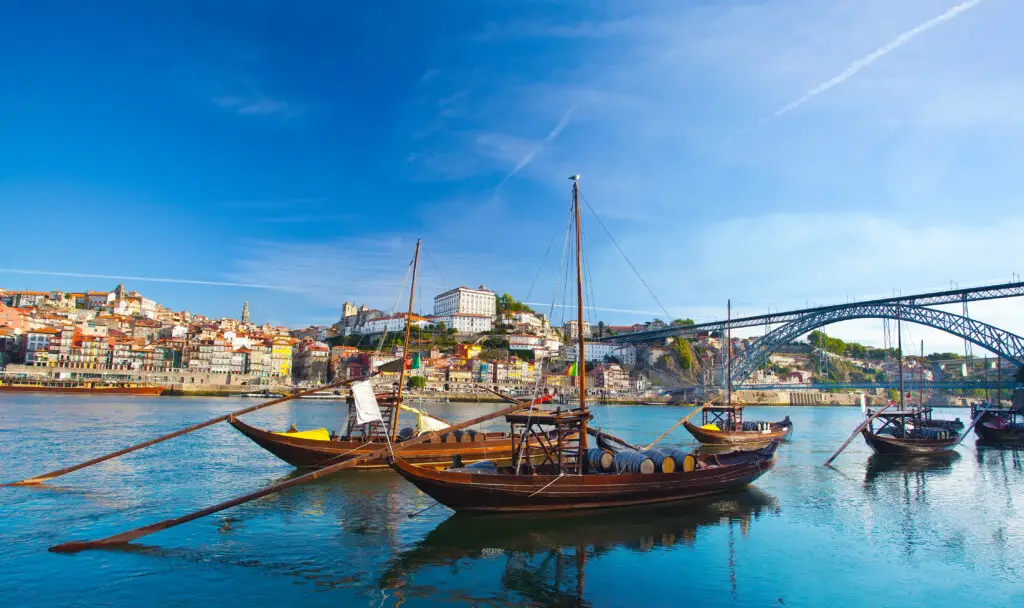
Later in the day, you’ll head down to the river for a Douro cruise. It’s an easy, relaxed way to see Porto, passing the Ribeira waterfront where houses are stacked right up from the water’s edge. As the boat moves along, you’ll go beneath Porto’s bridges and across from the port wine lodges in Vila Nova de Gaia, many of which are still active today. It’s a simple way to understand how both sides of the city grew around the Douro.
Day 3 – Braga and Guimarães Day Tour
Leaving Porto, you travel into northern Portugal’s greener interior. During the drive, your guide explains how this region differs, its older religious traditions, distinctive architecture, and towns that played an outsized role in shaping Portugal’s identity.
Braga Cathedral: One of Portugal’s Key Religious Sites
On your third day, you’ll depart Porto for an exciting day tour, starting at Braga Cathedral, one of the most historically significant in the country. Inside the cathedral, your guide talks through its long history, pointing out how different parts of the building were added over time and explaining why Braga grew into one of Portugal’s main religious centers.
Bom Jesus do Monte: Pilgrimage, Stairways, and Views
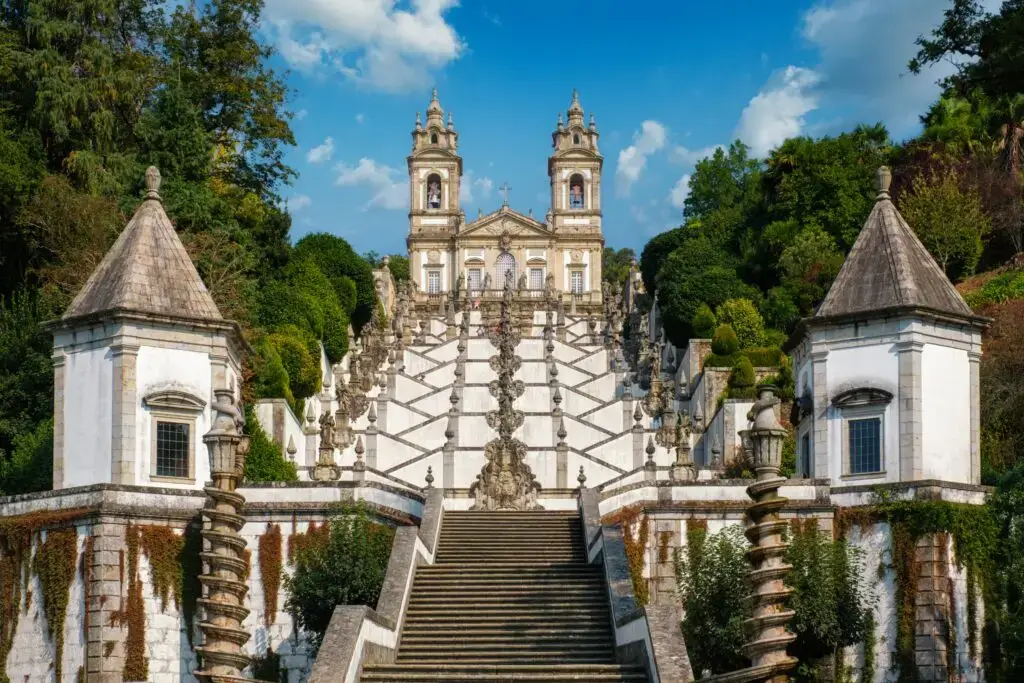
Next, you head to Bom Jesus do Monte, a sanctuary known for its long, dramatic stairway and hillside setting. Your guide explains what makes it important, a pilgrimage site as much as a landmark, and points out the symbolism of the stairway and its terraces. From the top, you’ll get wide views over the city and the surrounding countryside, which helps place Braga geographically.
Sanctuary of Our Lady of Sameiro: A Quieter Counterpoint
From Bom Jesus, you continue to Sameiro. This is quieter and more locally rooted, offering a second perspective on northern Portugal’s pilgrimage culture. Discover why there are multiple major sanctuaries in close range and how local religious traditions still shape community life.
Guimarães: Guided Tour
From Braga, you head to Guimarães, where the story shifts from religious heritage to national origins. Your guide explains why Guimarães is linked to Portugal’s formation, not as a slogan, but in terms of medieval power struggles and early independence.
In Guimarães, you visit the castle, a compact but powerful medieval structure. Your guide explains what castles like this were built to do (control territory, protect key routes, project authority), and what this one meant politically during Portugal’s earliest period.
From the castle, you continue into Guimarães’ historic centre. Although it’s UNESCO-listed, it still feels lived-in rather than preserved for show. Stone houses are still in use, cafés sit beneath old arcades, and small chapels appear between narrow streets. Your guide helps you notice the details that give the town its character.
Day 4 – Douro Valley
Journey Into the Valley: Terraces, Slopes, and the River
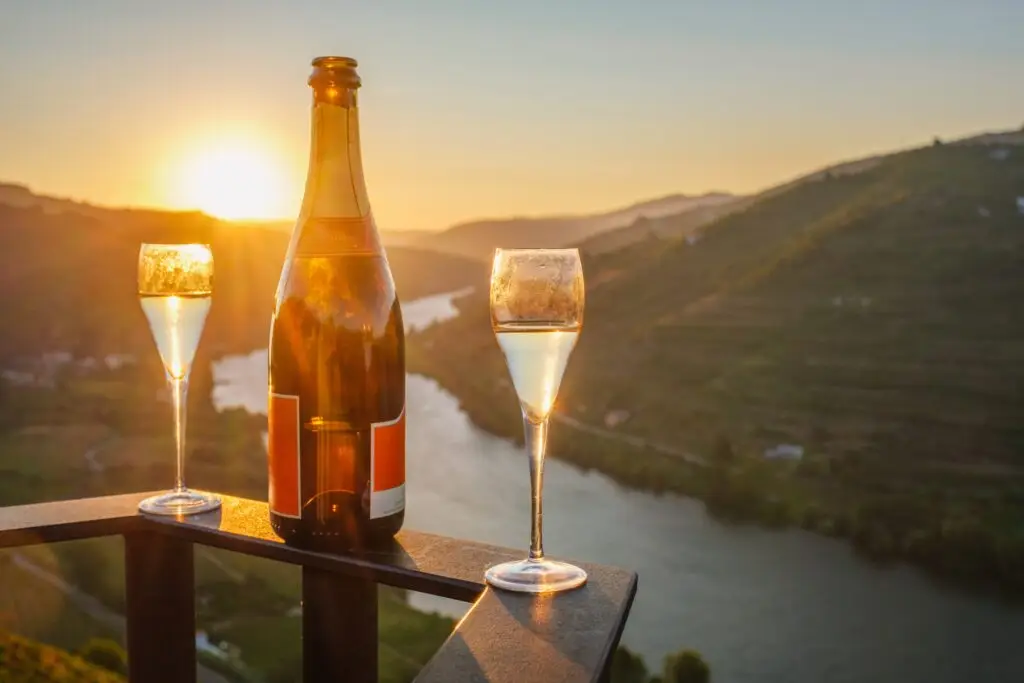
Today you travel into the Douro Valley, one of Europe’s most distinctive wine landscapes. As you get closer, the scenery shifts from gentle hills into steep slopes cut into terraces. Your guide explains why terraces were necessary, how they were built, and why the river was the artery for trade long before modern roads existed.
Vineyard Walk: Seeing the Douro Up Close
Next, you take a guided walk through the vineyards. Out in the vineyards, you’ll quickly notice how steep the land really is. The terraces are supported by dry-stone walls built by hand, and walking between the rows gives you a clear idea of how much work goes into growing grapes here. You’ll learn which varieties are planted in this part of the valley and how the sun, slope, and elevation above the river affect the final wine.
Lunch
After the walk, you stop for lunch at an authentic local restaurant. Your guide helps you understand what’s regional, the ingredients, the cooking style, and how the food here pairs naturally with Douro wines.
Wine Tasting: Douro Wines and Port Explained Properly
You then visit a wine estate for a tasting that gives real context. Your guide explains the difference between standard Douro wines and fortified port, how aging works, and why styles like ruby and tawny taste so different. Rather than treating it as “a nice drink,” the tasting becomes part of the region’s history and economy.
Private Boat Experience to Pinhão
Later, you take a private boat experience on the Douro, finishing near Pinhão. From the water, the valley feels calmer and more expansive. Your guide explains how barrels once traveled along this river and why river transport defined the region for centuries. It’s also simply the most relaxed way to end a full day in the valley.
Day 5 – Algarve Arrival and Lagos
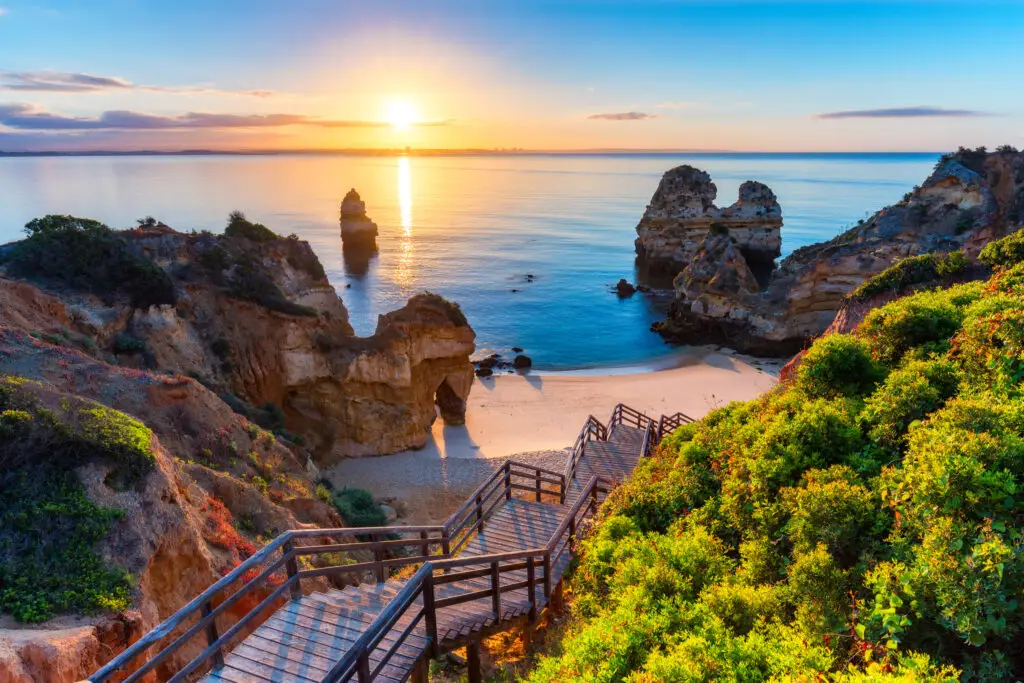
Southbound Transfer: From River Country to Coast
Today, you travel south to the Algarve. Your driver-guide drops you off at the airport for the short 1-hour flight from Porto to Faro. Upon arrival in Faro, one of our guides will be waiting at the airport to transport you to Lagos.
Lagos Old Town: Maritime History and Local Streets
Once in Lagos, your guide takes you through the old town. Lagos is not just a beach base, it’s tied to Portugal’s maritime expansion, trade routes, and coastal defence. You’ll see historic streets, small squares, and sections of older walls, with your guide explaining what parts are genuinely historic and how the town evolved.
Ponta da Piedade by Boat: Caves, Arches, and Sea-Level Views
Next, you head to Ponta da Piedade for a boat experience along the cliffs. From sea level, the Algarve’s rock formations make sense: caves carved by waves, natural arches, and narrow passages where light reflects off the water. Your guide explains the geology in simple terms and helps you understand why this exact stretch of coast is so photographed.
Lighthouse Area and Cliff-Top Paths
After the boat, you see the cliffs from above. Your guide takes you along short cliff-top paths where you can look down into the coves and see how the coastline folds in on itself. It’s a different perspective from the boat, more panoramic, and helpful for understanding the coastline’s shape.
Lagos Fortress and Defensive Walls
You finish the day with a visit to Lagos’ historic fortifications. Your guide explains why coastal towns needed strong defences (piracy, invasions, strategic ports) and how these walls once controlled access to the harbour.
Day 6 – Rural Algarve and Farm-to-Table
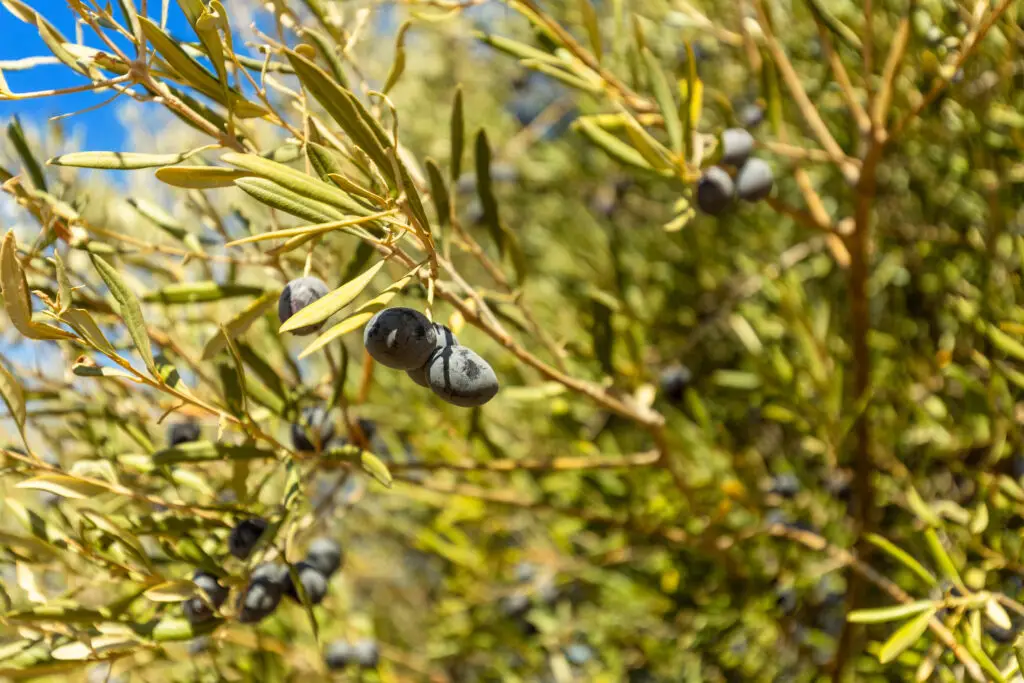
Inland Drive: The Algarve Beyond the Beaches
Today is about the Algarve interior, the side many visitors miss. Your guide takes you away from the coast into the countryside made up of small farms, orchards, and rural villages.
Visiting a Family Farm
At the farm, you’ll see where the ingredients come from. Your guide explains what grows well in this region, what’s seasonal, and how Portuguese home cooking tends to be led by what’s available rather than rigid recipes. This makes the experience feel real rather than staged.
Cooking Session: Step-by-Step Portuguese Recipes
Next, you select the ingredients you’ll cook with later. This is an important part of the day, learning how locals choose produce, what counts as “good quality,” and how simple combinations create strong flavors.
You then take part in a cooking session where you learn the recipes step by step. It’s hands-on and practical: preparation, seasoning, timing, and technique. Your guide provides translation and context to help you understand what you’re doing and why.
Sitting Down to Eat: The Best Part of the Day
After cooking, you sit down and enjoy what you’ve made. This is where the day lands properly, not as “an activity,” but as a genuine rural Algarve moment: food, conversation, and the sense that you’ve spent time in a place rather than just passing through it.
Day 7 – Monchique and Caldas de Monchique
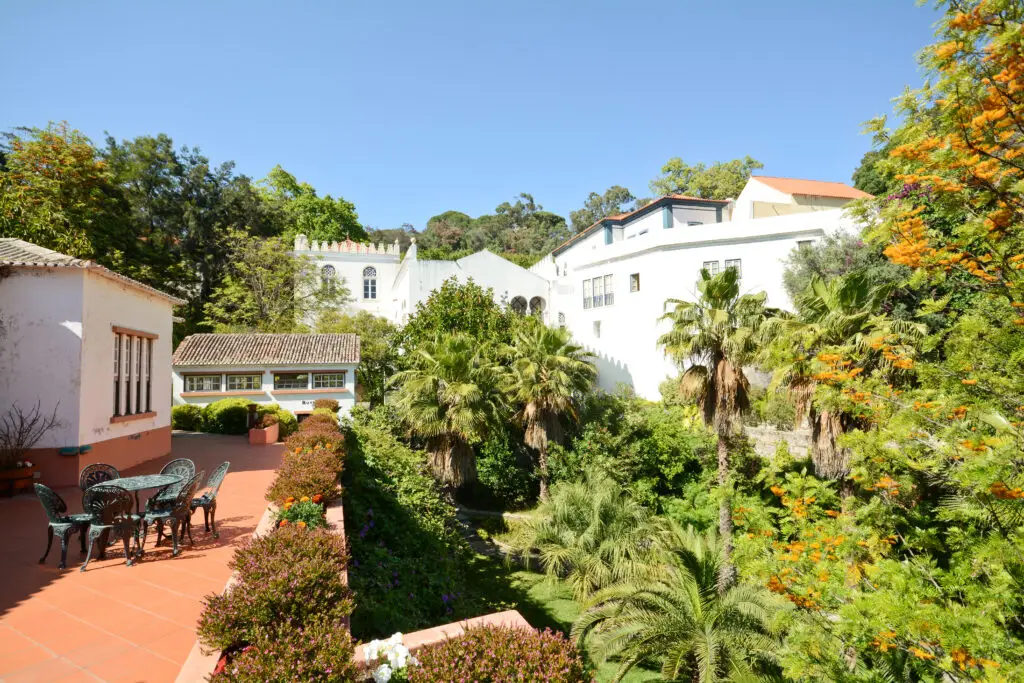
Scenic Drive Into the Serra de Monchique
From the low coast, your guide takes you up into the Serra de Monchique. The landscape shifts, more greenery, cooler air, wider views. Your guide explains why this mountain area matters to the Algarve: water sources, agriculture, and historic routes.
Caldas de Monchique: Thermal Springs and a Slower Pace
At Caldas de Monchique, you visit the thermal springs, known since Roman times for their mineral-rich waters. You’ll have time to stroll the area, take in the setting, and understand why thermal sites like this became part of local health culture.
Monchique Town: Craft, Local Products, and Daily Life
Next, you visit Monchique town. Your guide shows you the feel of the place: narrow streets, small shops, and local crafts. You’ll hear about regional products linked to the mountains and why Monchique has a different identity from the coast.
Foia Viewpoint: The Algarve From Above
You then head to Foia, the highest point in the Algarve. Your guide points out what you’re seeing, such as the coastline, valleys, and the scale of the region, so the viewpoint isn’t just a photo stop, but a proper moment of understanding the geography of the Algarve.
Day 8 – Western Algarve: Villages and Sagres
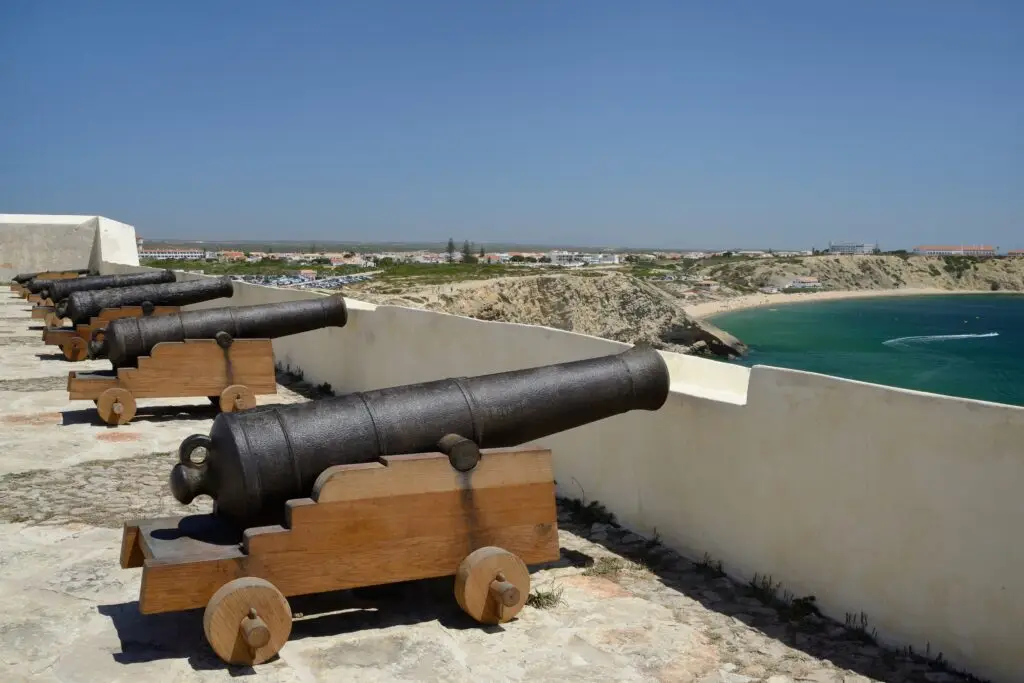
Praia da Luz: Coastal Life Without the Noise
You begin the day in Praia da Luz, a laid-back coastal village with a broad sandy beach and an easygoing feel. There’s time to walk along the seafront, watch local life, and enjoy the setting before moving on to smaller villages further along the coast.
Burgau: A Small Village with a Clear Identity
Carry on to Burgau, a compact whitewashed village built into a small bay. Your guide highlights what makes it distinct: its layout, its relationship to the sea, and the simple, local feel it still retains.
Salema: Fishing Heritage Still Present
From there you continue to Salema. Your guide explains how fishing shaped villages like this and what signs of that heritage remain: boats, harbor habits, and the way the village faces the water.
Sagres Fortress: Portugal’s Atlantic Edge
From the coastal villages, you continue west to Sagres Fortress. Set on a headland above the Atlantic, the fortress sits in a wide, open landscape with little shelter from the wind. As you explore the fortress, you’ll learn why this spot was important for navigation and defense, and how Sagres became linked with Portugal’s early maritime history.
Afterward, you head to the nearby lighthouse, one of the southwesternmost points in Europe. From here, there’s a clear view out over the Atlantic, with cliffs dropping away below. It’s a straightforward stop, but it helps put the Algarve’s coastline and Portugal’s position on the edge of Europe into perspective.
Day 9 – Benagil Coast and Algarve Caves
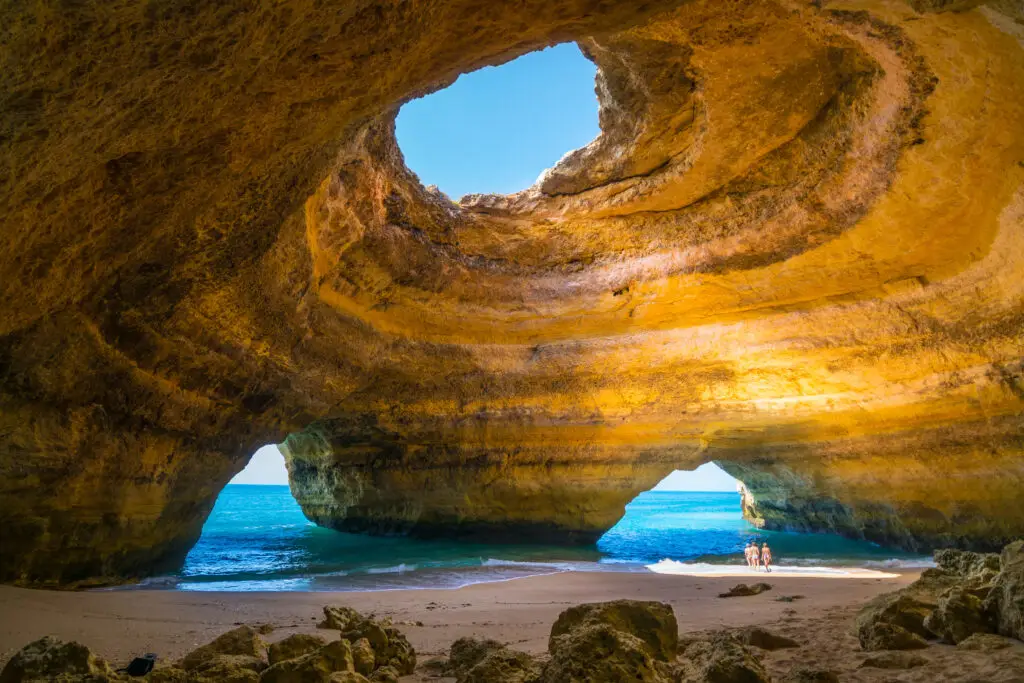
Benagil Caves Cruise: The Algarve From the Water
On day nine, you’ll visit some of the Algarve’s most famous coastal attractions. Begin with a boat tour along the coast to explore the Benagil caves. Your guide explains what makes Benagil special (the scale, the natural skylight, the way the cave opens to the sea) and also shows you that the surrounding coastline is packed with lesser-known grottoes and formations that are just as interesting.
Praia do Carvoeiro: Cliffs, Sea Paths, and Classic Algarve Views
Next, you stop around Carvoeiro, known for its coastal scenery and cliff-backed views. Your guide points out how villages like this sit between tourism and everyday life, and why this stretch of coast became one of Portugal’s most recognizable.
Praia da Marinha: Arches and One of Portugal’s Stand-Out Beaches
You then visit Praia da Marinha, often mentioned among Portugal’s best beaches. Your guide explains what you’re looking at, like natural arches, golden rock, and clear water, and gives you time to take it in properly, rather than treating it as a quick photo stop.
Time by the Sea: Swim or Short Walk, Depending on Conditions
If conditions allow, you’ll have time for a swim or a short coastal walk. Your guide handles this flexibly, making sure the day feels enjoyable rather than over-scheduled.
Day 10 – Évora and Monsaraz
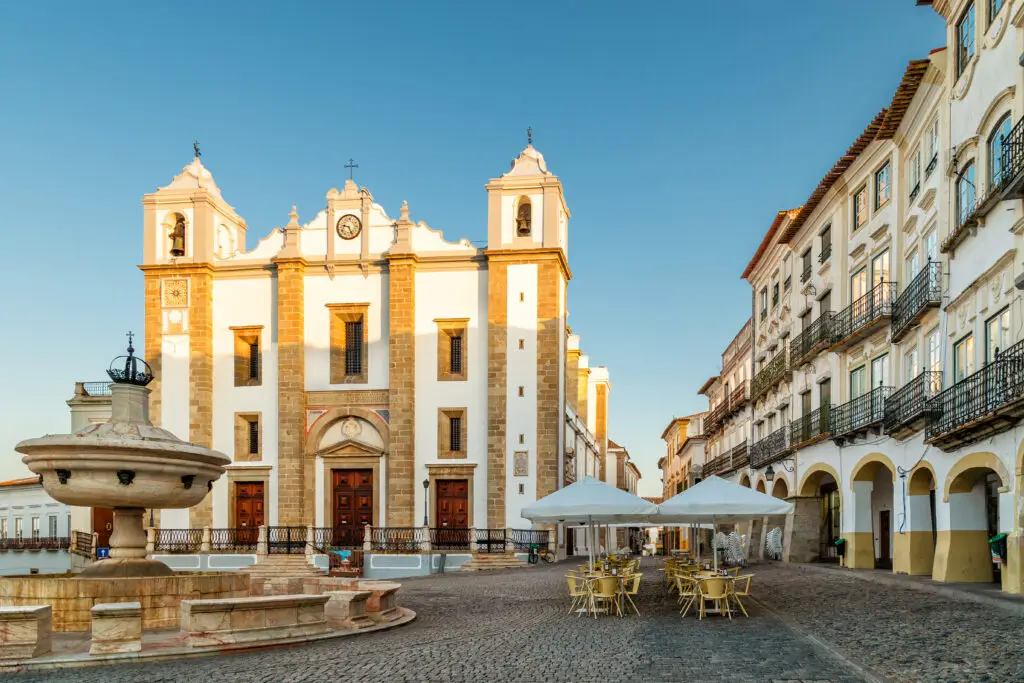
Évora: A Walled City Built on Layers of History
On day ten, you’ll arrive in the picturesque Alentejo region. In Évora, you walk through the historic centre within the old city walls. Roman ruins, medieval streets, and churches sit side by side, and many of the buildings are still in everyday use. It’s a compact city, easy to explore on foot, with layers of history visible as you move from one square to the next.
Roman Temple: What It Represents and Why It Survived
You visit the Roman Temple, one of Portugal’s best-known Roman remnants. Your guide explains what it tells us about Évora’s status in Roman times and why certain structures endured while others disappeared.
Chapel of Bones
You then visit the Chapel of Bones, where human bones line the walls and pillars. It’s an eerie experience, and often one of the most memorable from our tours. The chapel was created as a religious reminder of mortality and remains one of Évora’s most distinctive sites.
Drive to Monsaraz: Climbing Into a Hilltop Village
From Évora, you head toward Monsaraz. The drive becomes more scenic as you climb, and your guide sets up what you’re about to see: a fortified hilltop village built for defense and position.
Monsaraz: Quiet Streets and Big Views
In Monsaraz, you walk through the village and take in the views from the walls. Your guide explains why villages like this mattered historically (control, protection, visibility) and then gives you time to enjoy what makes Monsaraz special now: silence, simplicity, and a panorama over Alqueva Lake.
Day 11 – Azeitão, Setúbal and the Arrábida Coast
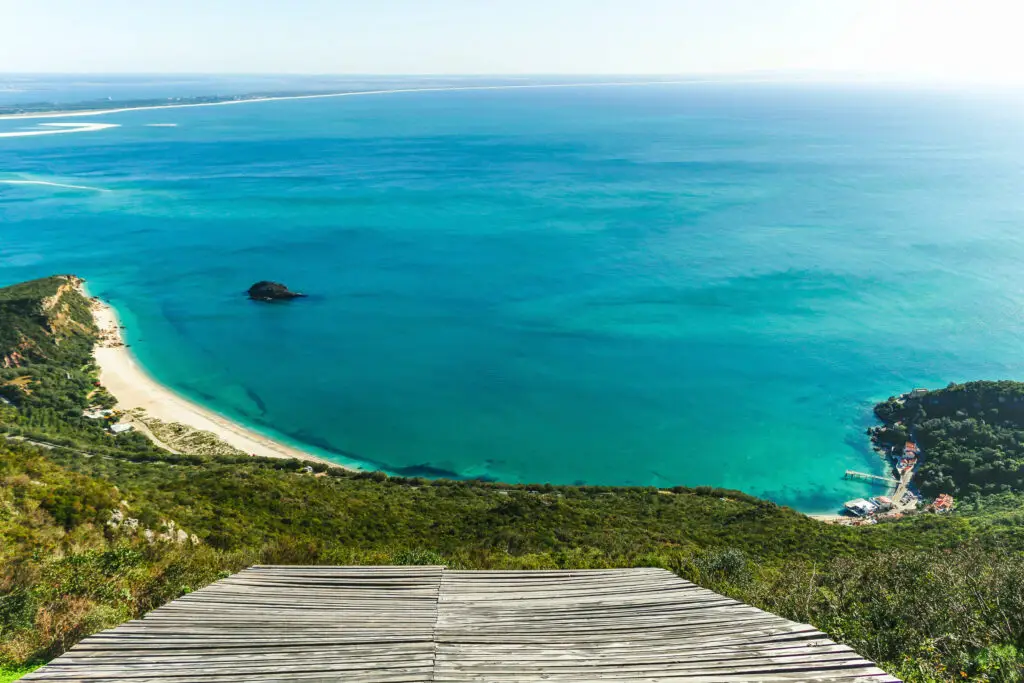
Azeitão Winery: A Different Style of Portuguese Wine Region
Today begins with wine again, but in a completely different setting from the Douro. Your guide takes you to Azeitão for a winery visit and tasting, explaining what the region is known for and how the climate and terrain shape different wine styles.
Setúbal: Harbor Town Atmosphere and Local Rhythm
Next, you head into Setúbal, a working coastal town with a real harbor feel. Your guide shows you the center and the waterfront areas that matter, explaining Setúbal’s relationship with fishing, trade, and the nearby natural landscapes.
Local Lunch: Seafood and Regional Specialties
This is a good day for a local lunch, and your guide helps you choose something that suits the place, seafood, and straightforward Portuguese cooking, rather than something dressed up.
Boat Trip Along Arrábida: Cliffs, Clear Water, and the Sado Estuary
Later, you take a boat trip along the Arrábida coast. Your guide explains why this coastline looks different, with greener hills meeting clear water, and why the Sado estuary is one of Portugal’s best places for dolphin sightings. Whether you see dolphins or not, it’s a strong scenic experience and a different side of Portugal’s coast.
Day 12 – Lisbon Highlights and Belém + Fado Evening
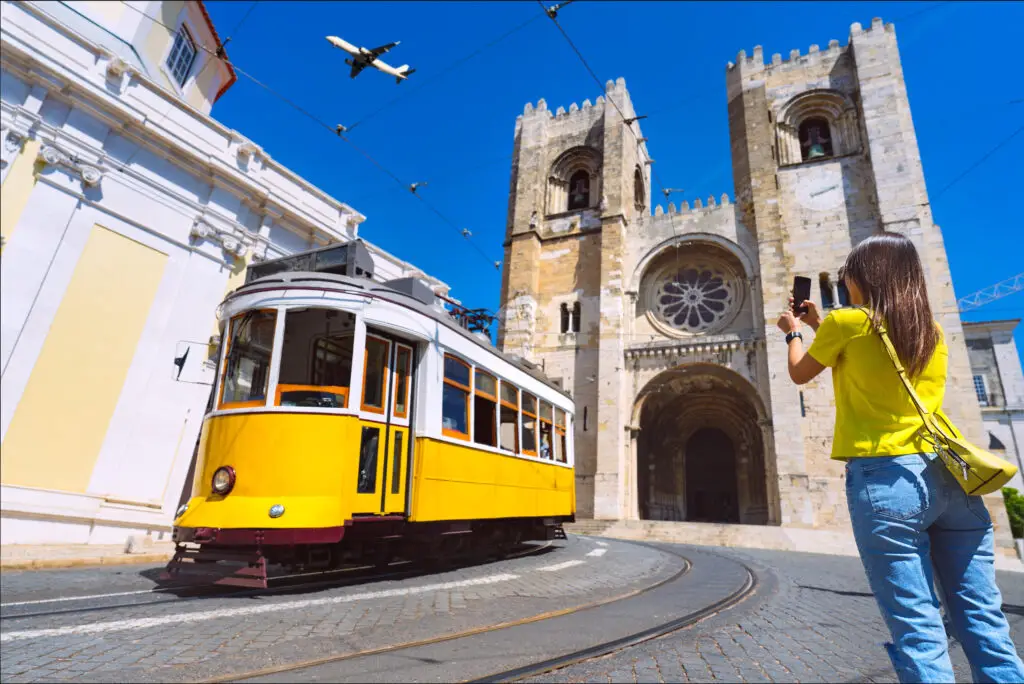
Your guide begins in Lisbon with orientation, because it’s a city that can feel confusing at first, with hills, districts, viewpoints, and the river pulling everything west. You’ll stop at key vantage points so you understand where the historic neighborhoods sit and how Lisbon fits around the Tagus.
Lisbon Cathedral and the Old City Story
From there, you move into the older city areas and visit Lisbon Cathedral. Your guide explains how much of Lisbon’s history is shaped by resilience, including rebuilding after disasters, and why older structures like the cathedral matter.
Belém: Portugal’s Maritime Chapter in One District
Next, your guide takes you to Belém, where Portugal’s maritime history becomes concrete. This isn’t a generic “monuments area.” It’s a district built around a specific period when Portugal was outward-looking and sea-driven.
Jerónimos Monastery: Architecture and National Identity
You visit Jerónimos Monastery, and your guide helps you understand why it’s so significant: the Manueline style, the symbolism, and the way it became a statement building tied to exploration, wealth, and national pride.
Belém Tower & Pastéis de Belém
You then see Belém Tower on the river’s edge. Your guide explains its original role (defense and control of the river entrance) and why it became a national symbol beyond its practical purpose.
A stop at Pastéis de Belém is simple but worthwhile. Your guide frames it as a local ritual rather than a “food attraction,” and you’ll have time to try the custard tarts fresh.
Fado Dinner: Understanding What You’re Hearing
In the evening, you experience Fado with dinner. Your guide explains the basics so you get more out of it, where Fado comes from, what the themes usually are, and why it’s connected to Lisbon’s older neighborhoods. It’s not background music; it’s a cultural form that’s meant to be listened to.
Day 13 – The Secret Sites of Sintra
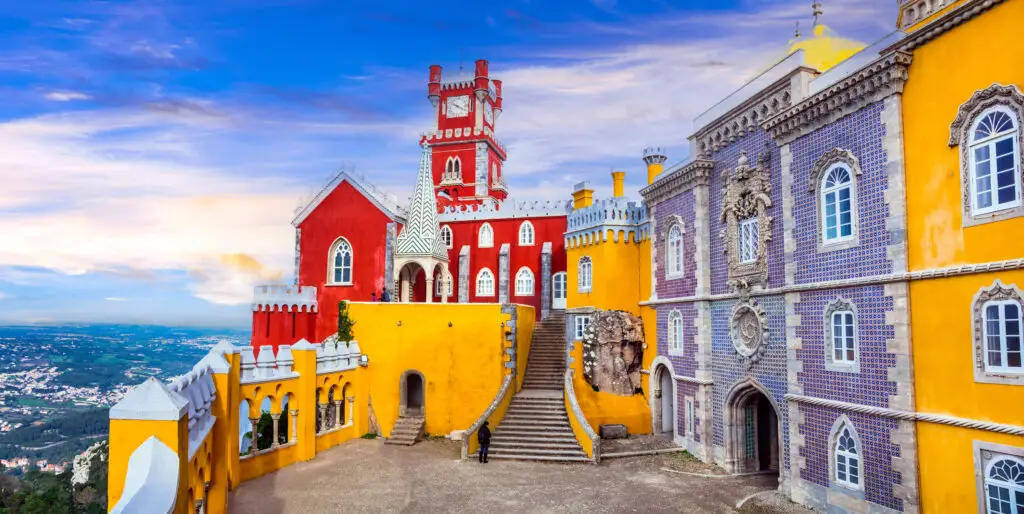
Leaving Lisbon for the Hills
Sintra is close to Lisbon but feels like a different world. As you travel into the hills, your guide explains why Sintra has its own microclimate and why it became a place of retreat, cooler air, dense forest, and a landscape that feels separate from the city.
Convento dos Capuchos: The Quiet Side of Sintra
Rather than starting with crowded headline palaces, your guide takes you to Convento dos Capuchos. This is Sintra at its most understated: a small convent built into the forest, simple spaces, and a clear sense of how monks lived with the landscape rather than trying to dominate it.
Praia da Ursa (Optional): Raw Coastline Near Sintra
If you choose, your guide includes Praia da Ursa, a wilder beach and coastal viewpoint. The point here is contrast: after the forest and convent calm, you see the Atlantic edge again, with cliffs and open sea.
Alto do Chão: Wide Views Over the Region
Next, you visit Alto do Chão for panoramic views. Your guide uses this stop to connect Sintra’s geography to the coastline and show you how close forest, hills, and ocean sit together here.
Nossa Senhora Viewpoint: A Different Angle on Sintra
You continue to another viewpoint, offering a different perspective over Sintra’s hills and landmarks. Your guide helps you pick out what you’re seeing so it doesn’t feel like “just another viewpoint.”
Monserrate Area: Romantic Architecture and Garden Atmosphere
You finish around the Monserrate area, known for its romantic architecture and gardens. Your guide explains why 19th-century visitors were drawn to places like this, not as a trend, but as a real cultural moment in how people traveled and built retreat homes.
Day 14 – Departure
Private Transfer to the Airport
Your driver-guide drops you off at the airport for your flight home, bringing your unforgettable 14-day private tour to an end.